Karu Road Upgrade Boosts Property Potential as Traffic and Flooding Ease
Karu road upgrade improves access
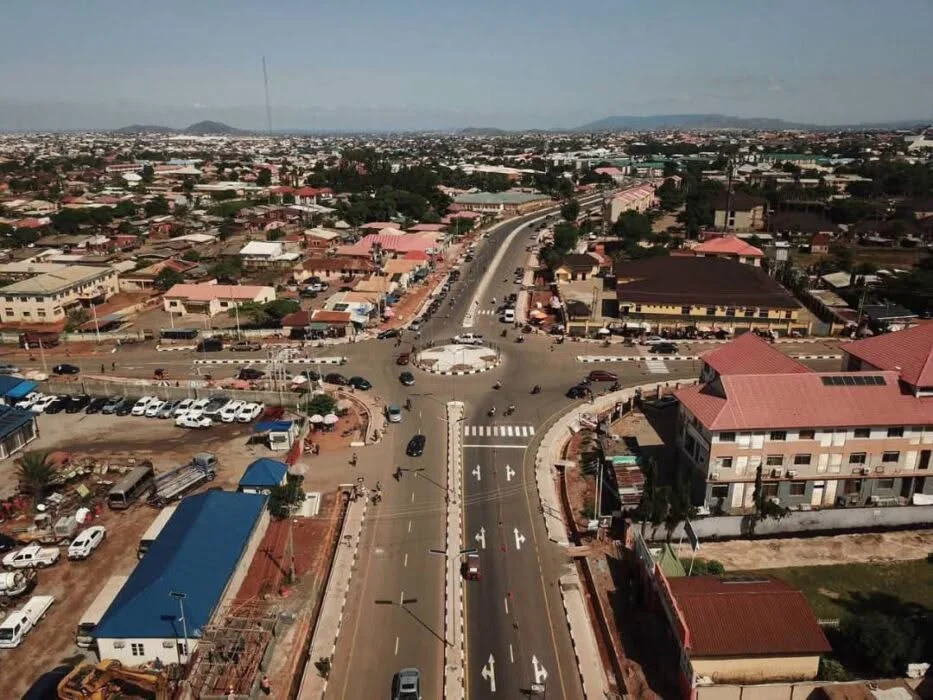
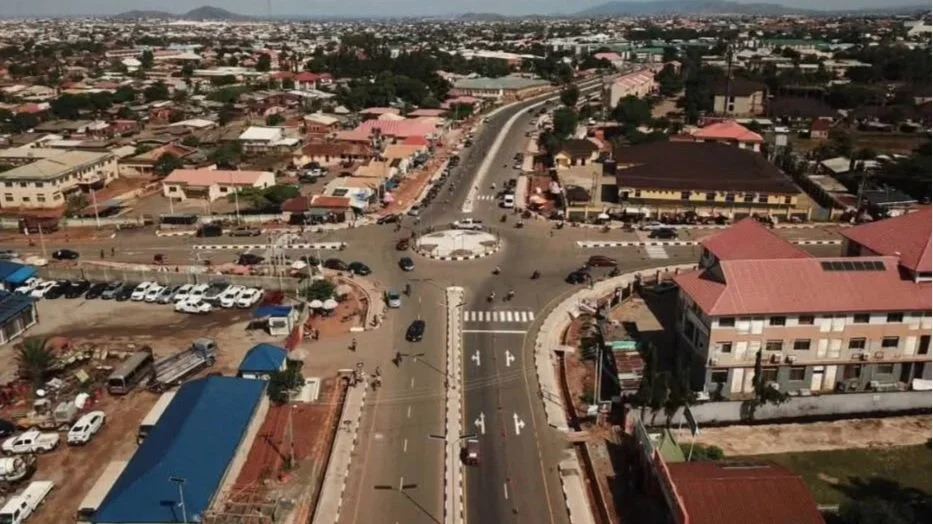
The completion of a 15-kilometre road network in Karu, Federal Capital Territory, is improving mobility, reducing flooding and supporting commercial activity, developments that could also strengthen the area’s prospects for residential and commercial property investment. Residents and commuters have described the upgraded corridor as a major improvement after years of traffic congestion and poor drainage
/ You Might Also Like /


The project, executed by indigenous contractor Abdul-Val Nigeria Ltd, runs from the Karu Interchange to Customs Clinic Junction and includes the rehabilitation of several feeder roads, including DSS Road, NIA Road, EFCC Road, Primus Hospital Road and Old CBN Quarters Road.
The road network was inaugurated on June 29 after being awarded on August 22, 2025. The project includes dualised roads, improved drainage and modern street lighting, addressing several infrastructure constraints that had affected movement and economic activity in the area.
Improved Access Could Strengthen Karu’s Property Market
Road accessibility remains one of the major factors influencing property development and demand in satellite communities around Abuja.
For Karu, the improved connection between major roads and internal neighbourhoods could make residential and commercial locations along the corridor more accessible to workers, businesses and households seeking alternatives to higher-cost areas closer to Abuja’s city centre.
Better road infrastructure can also improve the viability of previously less attractive development locations by reducing travel difficulties and improving connections to employment, schools, healthcare, retail and other services.
However, improved infrastructure does not automatically translate into higher property values. The long-term effect will depend on whether the road upgrade is supported by reliable electricity, water supply, waste management, security, public transport and effective land-use planning.
Reduced Flooding Improves Development Conditions
Flooding had been a major challenge along the Karu corridor, disrupting movement and commercial activity during the rainy season.
The upgraded drainage infrastructure is therefore significant beyond its transportation function. Better stormwater management can reduce the risk of road deterioration, improve neighbourhood accessibility and provide a more stable environment for residential and commercial development.
For property investors, improved drainage can also reduce some of the infrastructure-related risks associated with developing in areas that previously experienced recurrent flooding.
Businesses Already Reporting Improved Activity
Residents interviewed by NAN said the road improvement has helped restore customer traffic and commercial activity.
Shop owner Chinyere Obasi said improved road conditions and street lighting had encouraged customers to return to businesses along the corridor. Other residents reported shorter travel times and fewer bottlenecks, while improved lighting has also enhanced visibility at night.
These changes could have wider implications for commercial property demand. Improved accessibility often supports the growth of shops, offices, neighbourhood services, warehouses and other businesses that depend on reliable movement of customers and goods.
For developers, this creates opportunities for mixed-use schemes that combine residential accommodation with retail and service components.
Karu Could Benefit From Wider FCT Satellite-Town Development
The road project also fits into the broader infrastructure expansion taking place across Abuja’s satellite towns.
Improving transport connections between the city centre and satellite communities can support more balanced urban growth by making peripheral locations more practical for people who work or conduct business in Abuja.
This is particularly important as high property prices and housing costs in central parts of the FCT continue to push households and developers towards satellite locations.
Karu’s proximity to major transportation corridors gives it an existing advantage, but sustained infrastructure investment will be important if the area is to accommodate further population and property growth without reproducing the congestion and flooding problems that previously affected it.
Project Creates Local Economic Opportunities
Beyond its long-term infrastructure impact, the construction itself generated economic activity in the surrounding communities.
According to Abdul-Val project manager Hacı Cengiz, the project employed up to 259 workers, with most recruited from host communities. Construction workers also patronised local food vendors, traders and other businesses during the project.
The use of indigenous contractors also demonstrates the potential for major public infrastructure projects to support local construction capacity and employment.
For the property sector, stronger local construction capacity could become increasingly important as demand for housing and infrastructure expands across Abuja and other rapidly growing urban centres.
Infrastructure Must Be Matched With Planning
The Karu road upgrade provides an important example of how infrastructure can influence the development prospects of satellite communities.
But the next challenge will be ensuring that new accessibility does not lead to uncontrolled development. Rising property demand without adequate land-use planning can place pressure on drainage systems, roads, utilities and public services.
Authorities and developers will therefore need to ensure that future residential and commercial projects are aligned with infrastructure capacity and the wider FCT development plan.
For investors, the key opportunity is not simply the completed road itself but the potential for improved connectivity to stimulate broader economic and urban activity around the corridor.
The Karu project demonstrates that transport and drainage infrastructure can play a significant role in unlocking the development potential of satellite communities. If supported by further investment in utilities, public transport and urban planning, the improved road network could strengthen Karu’s position as an important residential and commercial growth corridor within the FCT.
READ MORE