Garki Traders Ask FCTA to Halt Development Along Abuja Railway Corridor
Garki traders oppose corridor development
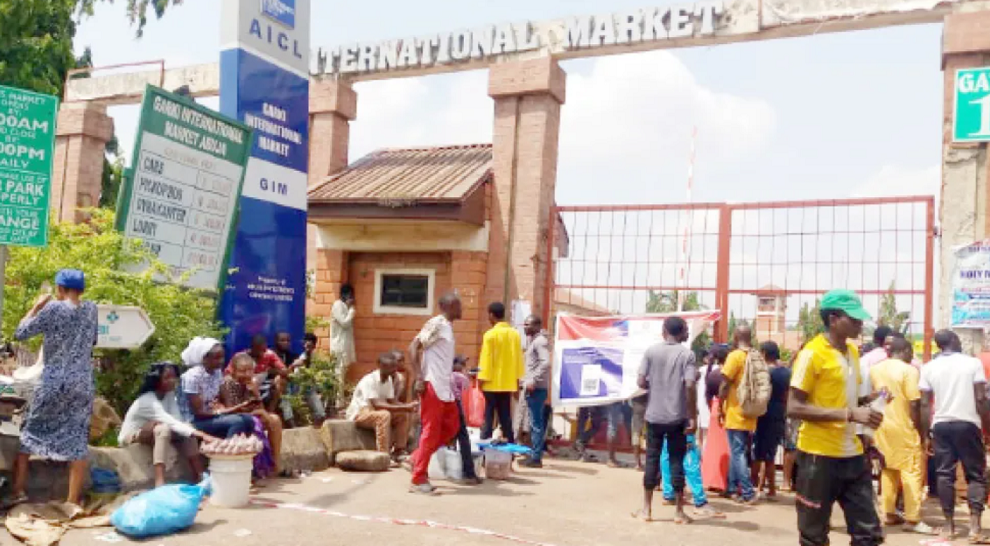
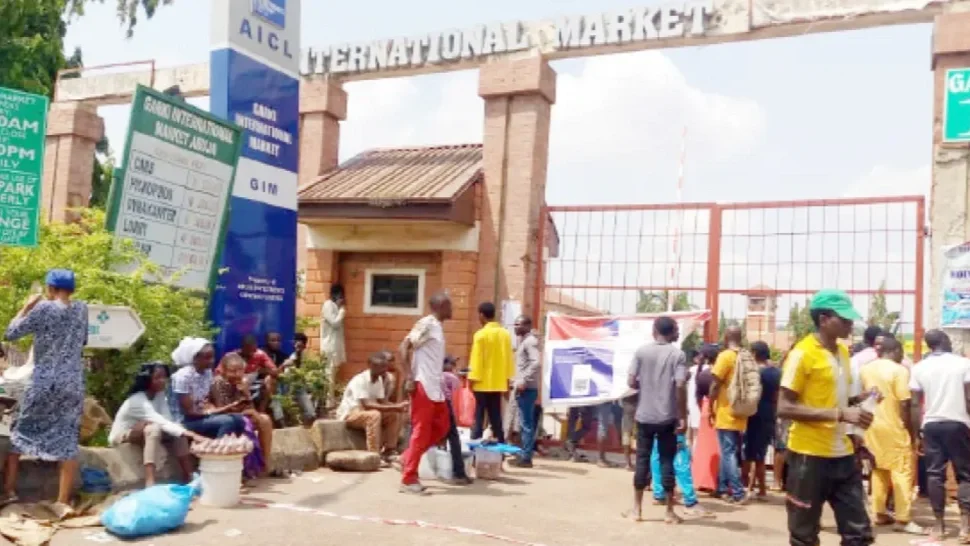
The Garki Model Market Association (GAMMA) has asked the Federal Capital Territory Administration (FCTA) to immediately halt ongoing development along the railway transit corridor adjoining Garki Model Market in Abuja, warning that commercial conversion of the area could worsen congestion and undermine planned infrastructure.
/ You Might Also Like /



The traders are also demanding an investigation into the demolition of trading structures along the corridor on June 4 and the subsequent development activities that followed.
Traders question development along reserved corridor
According to GAMMA Chairman Mohammed Garba, the affected area was originally preserved as a transportation right-of-way and buffer zone under the Garki Market Master Plan.
The association said the corridor provided important space for parking, logistics and the movement of heavy-duty vehicles serving the market.
It also functioned as an alternative access route for emergency operations, making its preservation important to the wider safety and functionality of the market.
The traders are now questioning the planning approvals that allowed development activities to begin on portions of the corridor after the demolition exercise.
Commercial development could worsen congestion
GAMMA warned that reducing the amount of space available for parking, loading and off-loading could intensify congestion around the market.
Garki Model Market attracts significant daily movement of traders, customers, delivery vehicles and commercial operators. Restricting circulation space could push more vehicles onto surrounding roads, increasing traffic pressure in an already busy part of Abuja.
The association said this could affect not only traders and customers but also the movement of emergency responders during critical incidents.
For urban planners, the dispute highlights the importance of protecting infrastructure corridors from piecemeal development that could undermine their original purpose.
Railway corridors require long-term planning
Railway corridors serve purposes that extend beyond the movement of trains.
They can provide transportation rights-of-way, safety buffers, access routes and space required for future infrastructure expansion.
Once such areas become occupied by permanent structures, reclaiming the land for transportation or other public infrastructure can become significantly more difficult and expensive.
The Garki dispute therefore raises a broader question about how Abuja manages development pressure around reserved infrastructure land as the city continues to expand.
Infrastructure planning must keep pace with property development
Abuja's continued population and economic growth are generating demand for commercial and residential property.
As land values increase and demand for centrally located commercial space grows, pressure on reserved and underutilised land is likely to increase.
This makes effective land-use planning increasingly important.
Property development can contribute significantly to economic growth, but developments need to be located within a framework that protects transportation networks, emergency access, public spaces and other infrastructure required to support a functioning city.
Without such coordination, individual developments can create wider costs through congestion, inadequate access and infrastructure bottlenecks.
Garki market's logistics needs are also at stake
The traders said the corridor has traditionally supported heavy-duty vehicles involved in supplying the market.
The space provides an area where goods can be delivered, loaded and off-loaded without placing additional pressure on adjoining roads.
If this capacity is lost, traders may have to rely increasingly on already congested public roads for deliveries.
That could raise operating costs for businesses while also increasing traffic and reducing the efficiency of the market's distribution system.
For commercial property operators, this illustrates why access and logistics infrastructure are critical components of a property's long-term value.
Development approvals need greater transparency
The traders' request for an investigation also places attention on the approval process for development along reserved infrastructure corridors.
Clear planning rules and transparent approvals are important for both public authorities and private investors.
Developers need certainty that land and planning approvals will remain valid, while government needs to ensure that approved projects comply with master plans and do not compromise strategic infrastructure.
Where development takes place on land originally reserved for public infrastructure, questions around planning approval and land-use changes can have significant implications for future urban development.
Previous relocation shows importance of market planning
GAMMA also referred to earlier interventions between 2008 and 2009, when the then Abuja Environmental Protection Board relocated operators dealing in kerosene, firewood, charcoal and cooking gas from the main market to designated locations.
The relocation formed part of efforts to manage safety risks associated with certain activities within the densely populated market environment.
The traders argue that preserving the railway corridor and its surrounding buffer areas is similarly important to maintaining a safe and functional market environment.
Implications for Abuja property development
The dispute highlights an important consideration for Abuja's property market: development should not be assessed solely on the value of individual sites.
The surrounding infrastructure and the original purpose of adjoining public land can significantly affect the long-term viability of a development.
For investors, properties located close to transport infrastructure can benefit from accessibility and commercial activity. However, developments that compromise transport corridors, drainage systems, emergency access or other public infrastructure can create risks that eventually affect the wider area.
This makes compliance with Abuja's master-planning framework important for both developers and investors.
Outlook
The Garki controversy underscores the need for Abuja to balance commercial development with the protection of strategic infrastructure corridors.
As demand for land and commercial property continues to grow, reserved areas for rail, roads, parking, logistics and emergency access will face increasing development pressure.
For the FCTA, resolving the dispute transparently and enforcing the city's planning framework could help protect both public infrastructure and investor confidence.
For the property sector, the episode reinforces a broader principle: sustainable urban development requires commercial growth to work alongside, rather than at the expense of, the infrastructure systems that make cities functional.
READ MORE