CBN Confirms 33 Banks Meet Recapitalisation Target, Raise ₦4.66trn
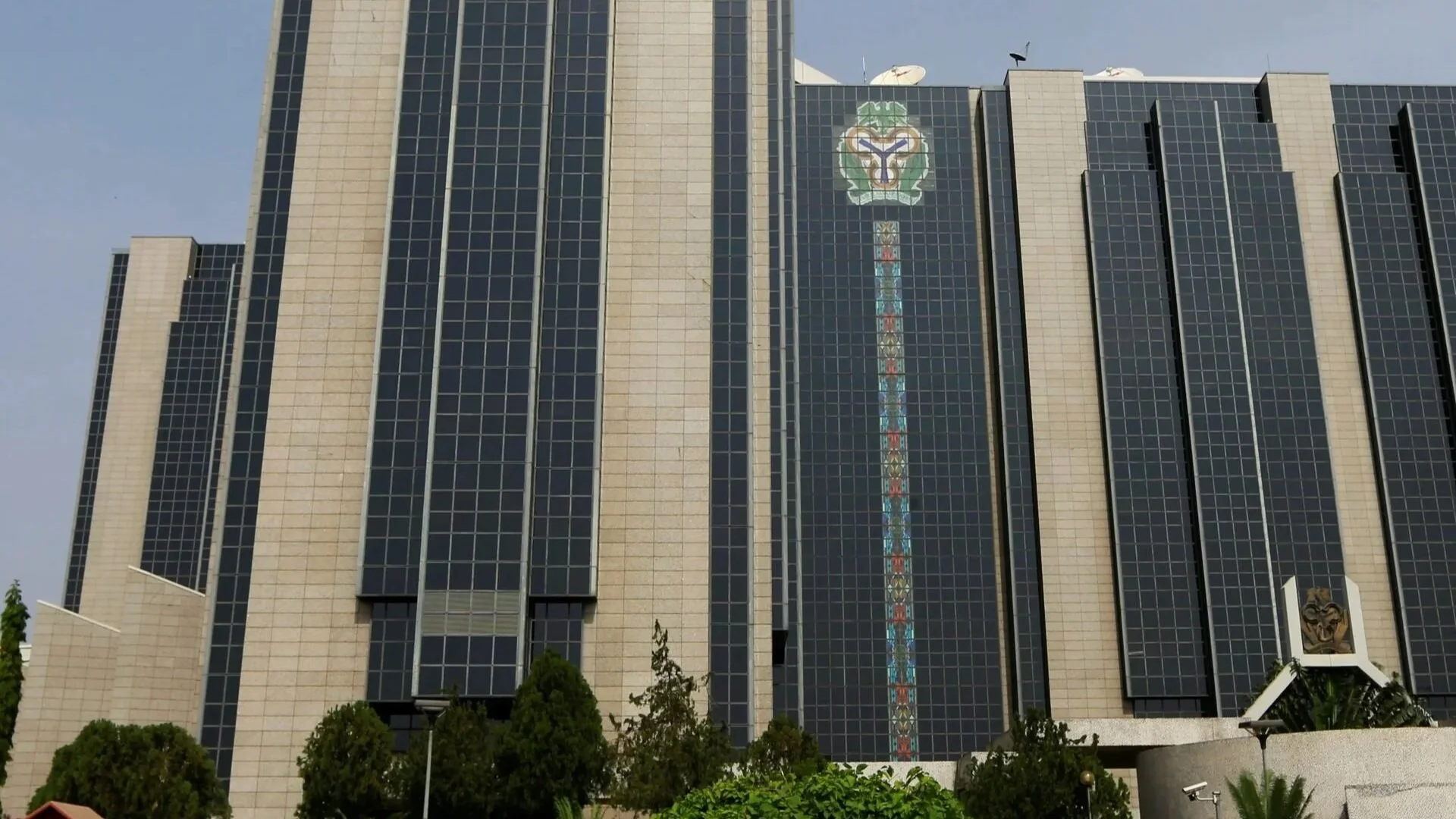
Banking Reform Gains Momentum as 33 Nigerian Banks Meet CBN Capital Requirements
The Central Bank of Nigeria (CBN) has confirmed that 33 deposit money banks have successfully met new recapitalisation requirements, collectively raising ₦4.66 trillion. The development marks a significant milestone in Nigeria’s ongoing banking sector reform, aimed at strengthening financial stability and enhancing the capacity of banks to support economic growth.
Recapitalisation Milestone and Regulatory Context
According to the Central Bank of Nigeria, the recapitalisation exercise forms part of a broader regulatory strategy to align the banking sector with evolving macroeconomic realities. Rising inflation, currency volatility, and increased credit demand have necessitated stronger capital buffers across financial institutions.
/ You Might Also Like /




The ₦4.66 trillion raised reflects a combination of equity injections, retained earnings, and market-driven capital mobilisation efforts by participating banks. The achievement by 33 institutions indicates strong compliance with regulatory expectations and signals improved resilience within the financial system.
Strengthening Financial System Stability
Recapitalisation enhances banks’ capital adequacy ratios, enabling them to absorb shocks and maintain operational stability during economic downturns. A well-capitalised banking sector is critical for sustaining confidence among depositors, investors, and international financial partners.
According to the CBN, stronger capital positions will allow banks to expand lending activities, particularly in priority sectors such as infrastructure, manufacturing, and housing. This aligns with broader economic policy objectives focused on stimulating growth and improving access to credit.
Implications for Credit Expansion and Housing Finance
The recapitalisation exercise carries important implications for Nigeria’s housing and real estate sectors. Increased bank capital improves the capacity of financial institutions to provide long-term financing, which is essential for mortgage development and large-scale housing projects.
Limited access to affordable credit has historically constrained housing supply in Nigeria. By strengthening bank balance sheets, the reform could support greater participation in housing finance initiatives, including partnerships with institutions such as the Federal Mortgage Bank of Nigeria.
This is particularly relevant given Nigeria’s persistent housing deficit, which requires sustained investment and financing innovation.
Market Response and Investor Confidence
The successful capital raise demonstrates continued investor confidence in Nigeria’s banking sector despite macroeconomic challenges. Capital market participation in the recapitalisation process reflects positive sentiment regarding the sector’s long-term prospects.
For investors, stronger bank capitalisation reduces systemic risk and enhances the attractiveness of financial sector assets. It also positions Nigerian banks to compete more effectively within regional and global markets.
Remaining Gaps and Sector Outlook
While 33 banks have met the recapitalisation targets, attention now shifts to institutions yet to fully comply. The CBN is expected to maintain regulatory oversight to ensure full sector-wide alignment with capital requirements within stipulated timelines.
Analysts note that consolidation, mergers, or additional capital raises may occur among smaller banks as they seek to meet regulatory thresholds. Such developments could reshape the competitive landscape of Nigeria’s banking industry.
Policy and Economic Implications
Financial System Resilience
Higher capital buffers improve the sector’s ability to withstand external shocks, including exchange rate fluctuations and global financial volatility.
Economic Growth Support
Well-capitalised banks can expand credit to businesses and households, supporting investment, job creation, and overall economic activity.
Housing and Infrastructure Financing
Enhanced lending capacity may unlock funding for critical sectors, particularly housing, where long-term financing remains limited.
The confirmation by the Central Bank of Nigeria that 33 banks have raised ₦4.66 trillion and met recapitalisation requirements represents a significant step in strengthening the country’s financial system. The reform enhances sector stability, supports credit expansion, and reinforces investor confidence.
Going forward, the full impact of the recapitalisation drive will depend on how effectively banks deploy new capital to support productive sectors, including housing and infrastructure. Sustained regulatory oversight and market discipline will be critical to ensuring that these gains translate into long-term economic growth.
READ MORE