Bolloré to Deepen Investment in Nigeria’s Creative and Digital Economy

Tinubu Seeks Deeper Bolloré Investment in Nigeria’s Creative Economy
Bolloré Group is set to deepen its investment in Nigeria across film, entertainment and fibre-optic infrastructure following discussions with President Bola Tinubu in Paris, as the company seeks to expand the local footprint of its creative and digital businesses.
/ You Might Also Like /


The investment discussions form part of the Federal Government’s broader efforts to attract private-sector capital into sectors capable of creating jobs, supporting digitalisation and increasing Nigeria’s participation in global markets. The development was disclosed in a statement issued by the President’s spokesperson, Bayo Onanuga, on Friday.
According to the News Agency of Nigeria, Bolloré’s media and digital interests include Canal+, MultiChoice and Universal Music, alongside investments in fibre-optic infrastructure and related sectors.
Bolloré to Expand Local Operations
The group confirmed plans to increase the localisation of its operations in Nigeria, with new investment expected to focus on film, entertainment and fibre-optic infrastructure.
Bolloré and its executives described Nigeria as a key market in Africa’s cultural economy, pointing to the international growth of Nollywood and Afrobeats and rising global demand for Nigerian creative content.
The planned localisation could increase the amount of production and business activity carried out within Nigeria rather than relying primarily on offshore operations.
For the Nigerian economy, deeper localisation can potentially support local suppliers, creative professionals, technology companies and other businesses that provide services to the entertainment and digital sectors.
Fibre Infrastructure Adds a Broader Investment Dimension
While the creative economy remains at the centre of the announcement, the group's investment interest in fibre-optic infrastructure gives the development a wider economic and infrastructure dimension.
Digital infrastructure has become increasingly important to businesses that depend on reliable connectivity for production, distribution, payments, communications and access to international markets.
Fibre networks can also influence where businesses establish operations. Areas with stronger connectivity can become more attractive to technology companies, media organisations, financial-services businesses and other firms whose operations depend on high-speed digital infrastructure.
For commercial property markets, this creates a potential link between digital infrastructure investment and demand for office, studio, production, data and mixed-use facilities.
Creative Economy Investment Could Increase Demand for Commercial Space
An expansion of film, entertainment and digital businesses can generate demand for a range of physical assets.
Production companies require studios and production facilities, while media and technology businesses require offices and specialised workspaces. Supporting businesses can also create demand for retail, hospitality, logistics and other commercial services.
This does not mean the latest announcement automatically translates into a property-development boom. The eventual real-estate impact will depend on the scale and location of the investments, the number of businesses established, employment generated and the infrastructure supporting those developments.
However, the expansion of digital and creative businesses can contribute to the growth of commercial clusters where adequate infrastructure and talent are available.
Investment Could Strengthen Nigeria’s Position as a Regional Business Base
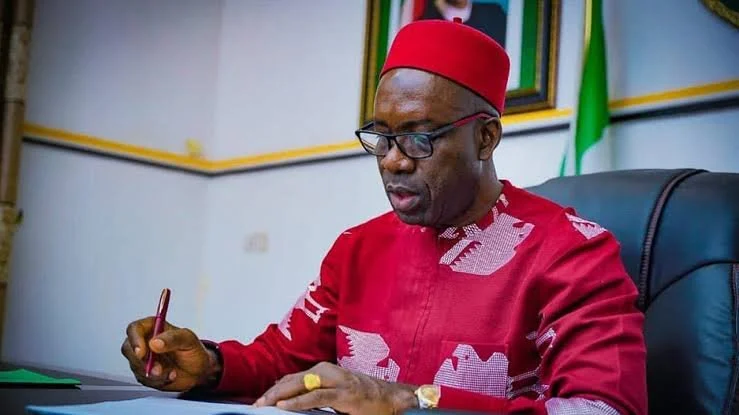
Tinubu said greater localisation would bring more production, investment and jobs into Nigeria while strengthening the country's position in the global creative economy. He also said the administration would continue to support investment that expands the creative and digital economy, develops local talent and strengthens infrastructure.
The President further argued that these investments could position Nigeria as a base for businesses serving African and international markets.
For investors, the significance extends beyond the entertainment industry. A stronger creative and digital ecosystem can increase demand for supporting infrastructure and services and encourage businesses to locate closer to established commercial and technology hubs.
That can have implications for office markets, specialised commercial property, logistics and hospitality infrastructure.
Digital Infrastructure Remains Critical to Investment
The fibre-optic component of the proposed expansion is particularly relevant as Nigeria continues to increase its reliance on digital services.
Reliable broadband infrastructure supports businesses ranging from financial technology and e-commerce to media production and cloud-based services. It can also improve the operating environment for companies that require constant connectivity to customers and international markets.
From a property perspective, digital infrastructure is becoming an increasingly important consideration in the location and viability of commercial developments.
Business districts and emerging commercial corridors with access to reliable electricity, transport and high-quality telecommunications infrastructure can attract a broader range of occupiers.
Job Creation and Local Supply Chains
The Federal Government has linked the investment drive to job creation and the development of opportunities for young Nigerians.
Tinubu said deeper investment would create more production and employment opportunities while allowing Nigeria to capture greater economic value from its cultural influence.
The employment effects could extend beyond performers and filmmakers. A larger creative ecosystem requires professionals in technology, marketing, production, distribution, logistics, finance, legal services and other supporting fields.
As these activities expand, they can create additional demand for commercial facilities and services in locations where businesses and workers concentrate.
What the Investment Means for Nigeria’s Property Market
The immediate announcement does not disclose a specific property-development project, investment value or new real-estate development by Bolloré.
Its property-market relevance instead lies in the infrastructure and economic activity that could accompany deeper investment in Nigeria's creative and digital sectors.
New production facilities, offices, technology infrastructure and supporting businesses could increase demand for commercial property in established and emerging business districts.
The potential impact on residential property would be more indirect. If the expansion creates significant employment and attracts workers and businesses to particular locations, demand for housing and other urban services could increase around those economic centres.
The outcome will depend on whether the proposed investments progress from strategic commitments to identifiable projects, capital deployment and sustained business expansion.
Investment Environment Will Determine Long-Term Impact
Nigeria's ability to capture the full economic value of the proposed expansion will depend on the wider investment environment.
Infrastructure reliability, connectivity, regulatory efficiency, access to finance, security and the availability of suitable commercial space all influence the cost of operating businesses.
For the property sector, these factors determine whether new investment produces sustained demand or remains concentrated in existing commercial locations.
The combination of creative-sector investment and fibre infrastructure therefore presents a broader opportunity for Nigeria's urban economy, provided supporting infrastructure and business conditions keep pace with private-sector expansion.
Outlook
Bolloré's planned expansion reinforces the growing role of Nigeria's creative and digital economy in attracting international investment.
The focus on film, entertainment and fibre-optic infrastructure could strengthen local production capacity, digital connectivity and employment while supporting businesses across the wider value chain.
For Nigeria's property market, the development is worth monitoring for its potential to generate demand for specialised commercial space, offices, production facilities and supporting urban infrastructure. The key measure will be the extent to which the announced investment translates into actual projects, new business capacity and sustained economic activity within Nigeria.
READ MORE