Nigeria and France Strengthen Partnership on Trade, Investment and Energy
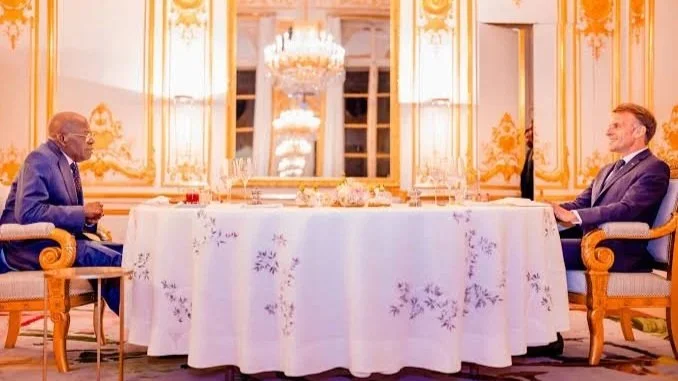
Nigeria, France Renew Commitment to Stronger Bilateral Ties
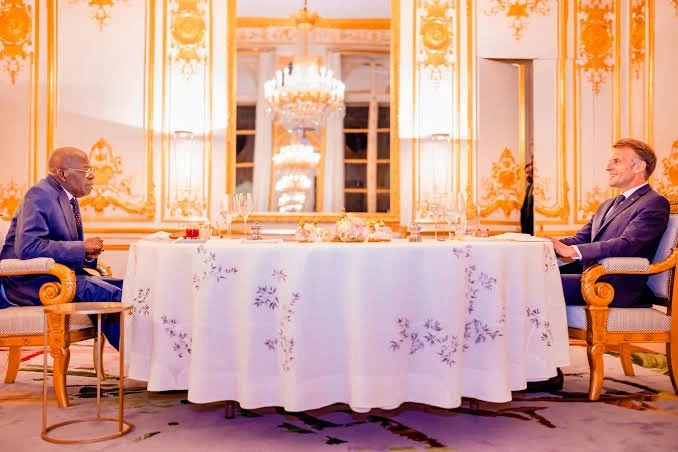
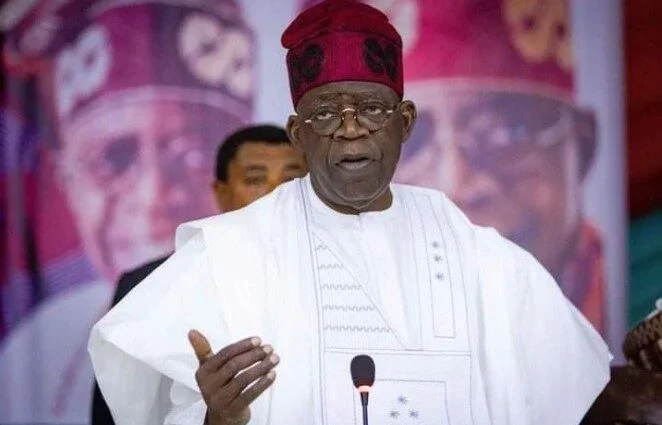
Nigeria and France have reaffirmed their commitment to stronger bilateral cooperation following a private meeting between President Bola Tinubu and French President Emmanuel Macron in Paris.
Macron hosted Tinubu at the Élysée Palace on Thursday, with the engagement described by the Nigerian Presidency as a reflection of the enduring relationship between both countries and their shared commitment to expanding bilateral cooperation.
/ You Might Also Like /
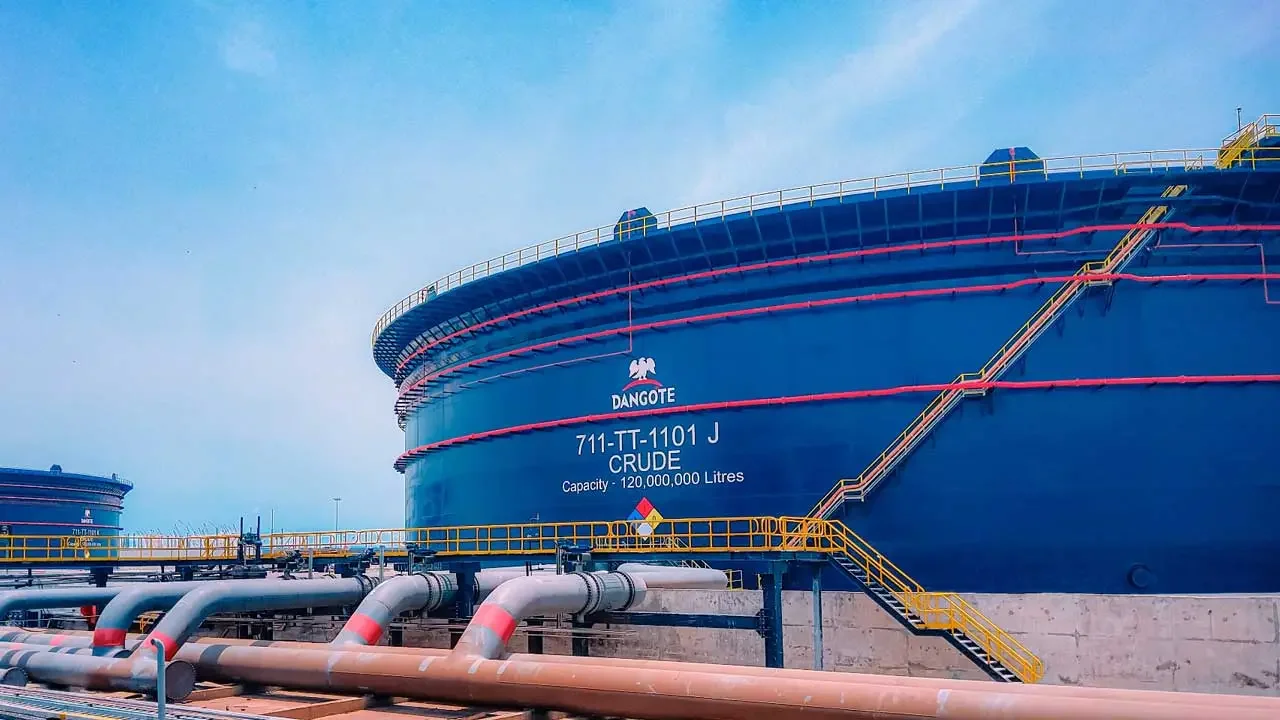

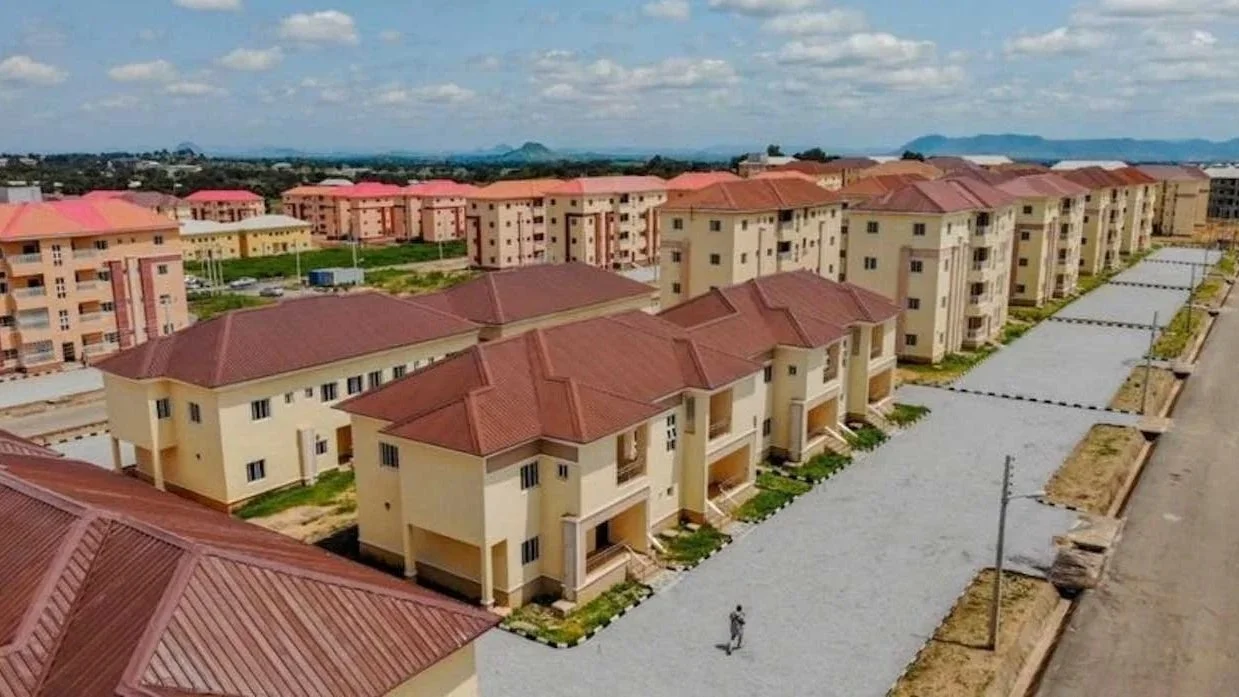

The meeting comes amid continued engagement between Nigeria and France across trade, investment, energy, security, innovation, culture and the creative economy.
Nigeria-France Partnership Extends Across Key Economic Sectors
According to the Presidency, the latest engagement adds to sustained high-level contacts between Tinubu and Macron as both countries seek to strengthen their strategic partnership.
Nigeria and France have maintained economic and diplomatic relations across several sectors, with investment and trade forming important components of the relationship. The cooperation also extends to energy and infrastructure-related areas, which remain significant to Nigeria's efforts to expand productive capacity and attract long-term capital.
For Nigeria, stronger international economic partnerships can provide channels for foreign investment, technical expertise and access to international business networks. However, the impact on the domestic economy ultimately depends on the conversion of diplomatic agreements and investment discussions into projects, financing and measurable economic activity.
Investment Cooperation Could Support Infrastructure Development
The renewed engagement is particularly relevant to Nigeria's investment environment as the country continues to seek capital for infrastructure, energy and urban development.
Infrastructure investment has implications beyond the construction of individual projects. New transport networks, industrial facilities, energy infrastructure and commercial developments can influence land values, business activity and the expansion of emerging urban centres.
For the property market, increased investment in productive infrastructure can create demand for commercial real estate, industrial facilities, housing and supporting services around areas experiencing new economic activity.
The potential effect is therefore dependent on where investment is directed and whether infrastructure projects are implemented at sufficient scale to stimulate wider economic activity.
Energy Cooperation Remains Important to Real Estate and Industry
Energy is another area of cooperation identified in the Nigeria-France relationship.
Reliable and affordable energy remains a critical factor in the performance of Nigeria's industrial and property sectors. Developers, manufacturers and businesses face higher operating costs when electricity supply is unreliable, while inadequate energy infrastructure can constrain investment in new developments.
Greater cooperation and investment in the energy sector could therefore have indirect implications for property development by improving the operating environment for businesses and supporting the growth of new commercial and industrial locations.
For real estate investors, improvements in infrastructure can also influence the attractiveness of locations by reducing some of the costs associated with establishing and operating businesses.
Stronger Economic Links Could Support Urban Growth
Nigeria's continued engagement with international investors is also relevant to the development of its major cities and emerging economic corridors.
Investment in sectors such as energy, technology, manufacturing and services can increase demand for offices, industrial facilities, retail space and housing. Where such investment is supported by transport and utility infrastructure, it can contribute to the emergence of new development clusters.
However, infrastructure-led growth also requires coordinated planning. Rapid increases in land values and development activity without adequate housing, transport and public services can create additional pressure on urban infrastructure.
For policymakers and developers, the broader challenge is therefore to ensure that investment-driven economic expansion is accompanied by adequate planning, infrastructure and housing supply.
Nigeria-France Engagement Builds on Earlier Diplomatic Contacts
Tinubu previously engaged Macron during Nigeria's participation in the June 2023 Summit for a New Global Financial Pact in Paris. The latest meeting represents another high-level contact between the two leaders as both countries continue to pursue stronger bilateral relations.
The current relationship covers a wide range of areas, including trade, investment, security, energy, innovation, culture and the creative economy.
For Nigeria, the significance of the relationship will ultimately be measured not only by diplomatic engagements but also by the scale of investment, commercial partnerships and development projects that emerge from them.
Outlook for Nigeria's Investment and Property Markets
The renewed Nigeria-France engagement could create further opportunities for investment if bilateral cooperation translates into concrete projects across infrastructure, energy, technology and other productive sectors.
For the property industry, the most significant effects would likely come through the development of new economic activity, infrastructure and employment centres. Such changes can create secondary demand for housing, commercial property and industrial real estate.
The immediate meeting itself does not announce a new property or infrastructure project. Its relevance to the housing market lies instead in the potential for deeper economic cooperation to support investment and infrastructure development over time.
READ MORE