Abuja Residents Plan #SaveJabiPark Protest Over Threat to Green Spaces
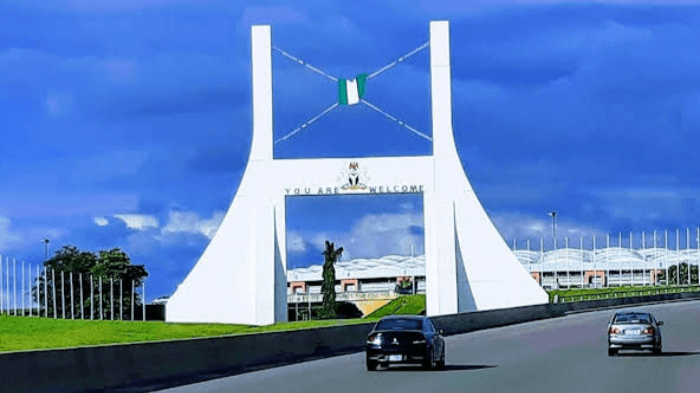
Concerns Mount as Abuja Residents Protest Threat to Jabi Park Green Space
Residents of Abuja are mobilising for a #SaveJabiPark protest scheduled for late March 2026, in response to growing concerns over the encroachment and potential conversion of designated green spaces within the Federal Capital Territory. The protest reflects rising tension between urban development pressures and environmental preservation in Nigeria’s capital city.
/ You Might Also Like /




Rising Concerns Over Urban Green Space Encroachment
The planned protest centres on fears that Jabi Park one of Abuja’s prominent recreational and ecological zones faces increasing risk from development activities. Residents argue that the steady erosion of green areas contradicts the original Abuja Master Plan, which prioritised environmental sustainability and balanced urban growth.
Green spaces in Abuja serve multiple critical functions, including recreation, flood control, and protection of underground infrastructure such as water and sewage systems. Experts note that these areas were deliberately integrated into the city’s design to support long-term urban resilience.
Environmental and Infrastructure Risks
Stakeholders warn that converting green zones into residential or commercial developments could have significant environmental and infrastructural consequences.
Previous cases within Abuja have already demonstrated the risks associated with such conversions. Residents in other districts have reported:
Increased flooding due to reduced natural drainage
Strain on sewage and water systems
Declining air quality and rising urban heat
Overburdened road and power infrastructure
Urban planning advocates emphasise that green areas are not merely aesthetic features but essential components of city infrastructure. Their removal could undermine Abuja’s long-term livability and environmental stability.
Tensions Between Development and Planning Regulations
The protest highlights a broader policy challenge: balancing rapid urban expansion with adherence to planning regulations. Abuja continues to experience population growth and rising demand for housing and commercial real estate, increasing pressure on available land.
However, residents argue that development activities must align with the Abuja Master Plan. They have called on the Federal Capital Territory Administration (FCTA) and relevant regulatory agencies to enforce existing land-use policies and halt unauthorised conversions of green areas.
Policy and Investment Implications
The #SaveJabiPark movement underscores growing scrutiny of land administration and urban governance in Nigeria. For investors and developers, the situation signals:
Heightened regulatory and community risk in land development projects
Increased importance of compliance with zoning and environmental standards
Potential delays or opposition to projects perceived as environmentally harmful
For policymakers, the issue reinforces the need for transparent land allocation processes and stronger enforcement mechanisms to maintain urban planning integrity.
Outlook
The planned protest represents a critical test of how Abuja manages competing priorities between development and environmental sustainability.
While demand for housing and infrastructure continues to rise, preserving strategic green spaces remains essential for long-term urban resilience. The outcome of the #SaveJabiPark campaign will likely influence future land-use decisions and shape investor confidence in Abuja’s real estate and infrastructure landscape.
READ MORE