Abuja Infrastructure Boom Pushes Rents Higher Across the FCT
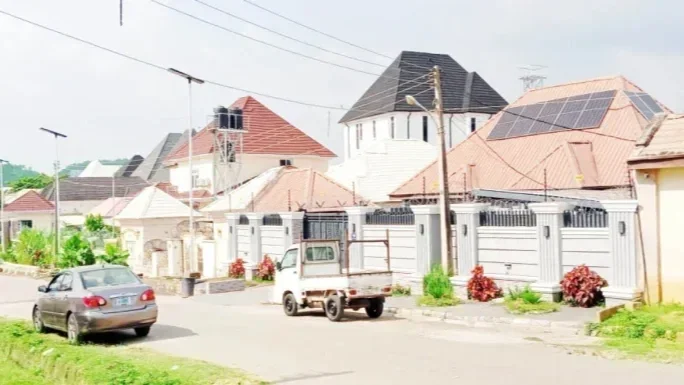
New Roads, Urban Renewal Fuel Rising Rents Across the FCT
Major infrastructure investments across the Federal Capital Territory (FCT) are transforming Abuja's real estate landscape, with improved connectivity and urban renewal projects contributing to rising residential rents in several districts.
New roads, bridges, drainage systems and public infrastructure delivered under the ongoing FCT development programme have significantly enhanced accessibility to many communities, increasing their attractiveness to residents, businesses and property investors. As demand grows, landlords are responding with higher rental prices, particularly in neighbourhoods benefiting directly from improved infrastructure.
/ You Might Also Like /

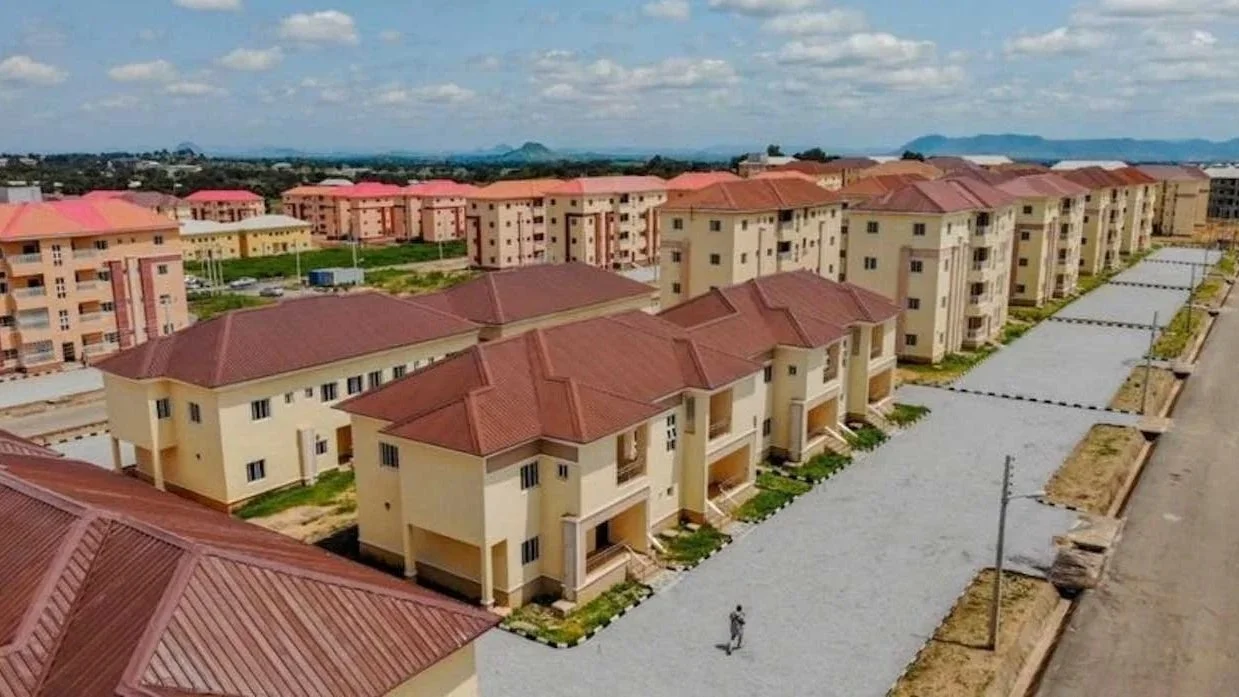

Infrastructure Reshaping Housing Demand
Property professionals say infrastructure remains one of the strongest drivers of real estate appreciation.
Recent projects linking satellite communities to Abuja's city centre have opened previously underserved locations to residential and commercial development. Improved road networks have reduced travel times, enhanced accessibility and encouraged developers to invest in new housing projects along emerging growth corridors.
Neighbourhoods with upgraded transport links and better public services are witnessing stronger demand from civil servants, professionals and businesses seeking improved accessibility.
Rising Property Values Push Up Rents
As infrastructure improves, land values and property prices are also increasing.
Developers and investors are acquiring land in newly connected districts in anticipation of future appreciation, while landlords are adjusting rental rates to reflect growing market demand. Although these developments strengthen investment prospects, they are placing additional pressure on tenants already facing high housing costs.
Industry analysts note that infrastructure-led appreciation is a common feature of rapidly expanding cities, particularly where housing supply struggles to keep pace with demand.
Affordability Remains a Challenge
While infrastructure upgrades improve urban mobility and quality of life, rising rents are creating affordability challenges for many households.
The increase in rental costs is adding to existing pressures from inflation, high construction costs and limited affordable housing supply. Housing stakeholders argue that expanding infrastructure should be accompanied by increased investment in affordable residential developments to ensure lower- and middle-income earners also benefit from urban growth.
Implications for Housing and Real Estate
The FCT's infrastructure expansion is reinforcing Abuja's position as one of Nigeria's strongest real estate markets.
Improved road networks, public facilities and urban services continue to unlock new investment corridors, stimulate residential development and increase demand for both land and completed housing. For developers, infrastructure remains a critical factor influencing project viability and long-term property values.
However, sustained increases in rents also highlight the urgent need to expand affordable housing delivery to prevent widening housing affordability gaps as the city continues to grow.
Why It Matters
Infrastructure investment and property market performance are closely linked.
Well-planned roads, bridges and public amenities increase accessibility, attract businesses and encourage residential development, often leading to higher property values and stronger investor confidence. At the same time, rapid rent increases underscore the importance of balancing urban growth with policies that improve housing affordability.
Outlook
As infrastructure projects continue across the Federal Capital Territory, Abuja is expected to remain one of Nigeria's fastest-growing property markets. Areas benefiting from improved connectivity are likely to experience continued demand and price appreciation, while the challenge for policymakers will be ensuring that housing supply expands sufficiently to keep pace with population growth and moderate future rental increases.
READ MORE