FCT Traditional Rulers Receive Land Titles as Wike Eliminates Charges
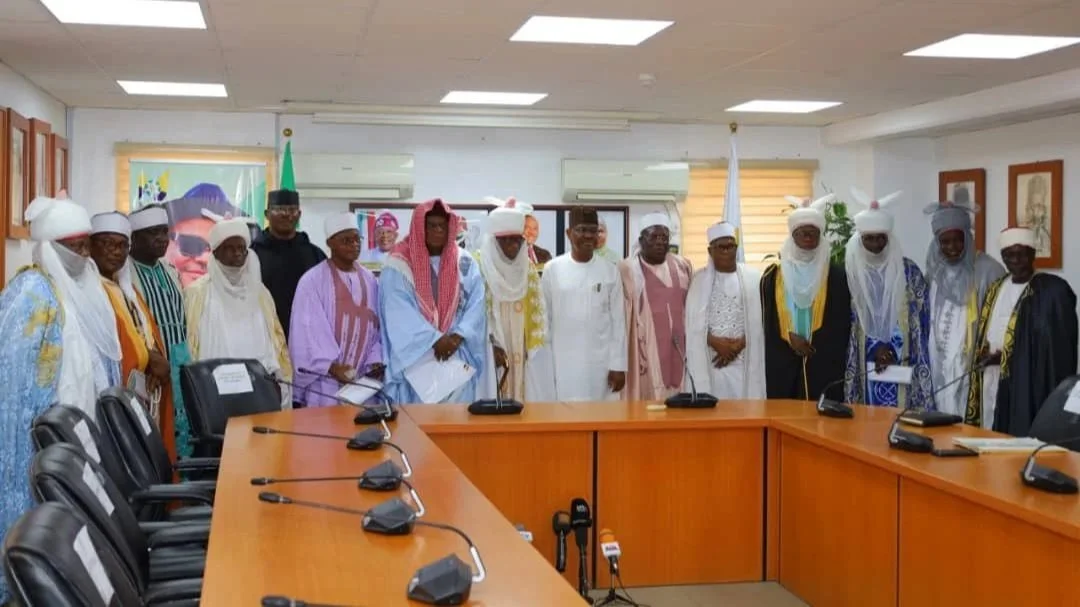
Wike Moves to Recognise Indigenous Rights with Land Title Waivers
The Minister of the Federal Capital Territory, Nyesom Wike, has granted land titles to traditional rulers in Abuja and waived all associated statutory fees, following a directive from Bola Tinubu. The move aims to recognise indigenous ownership and strengthen ties between the government and traditional institutions.
Land Allocation and Fee Waivers
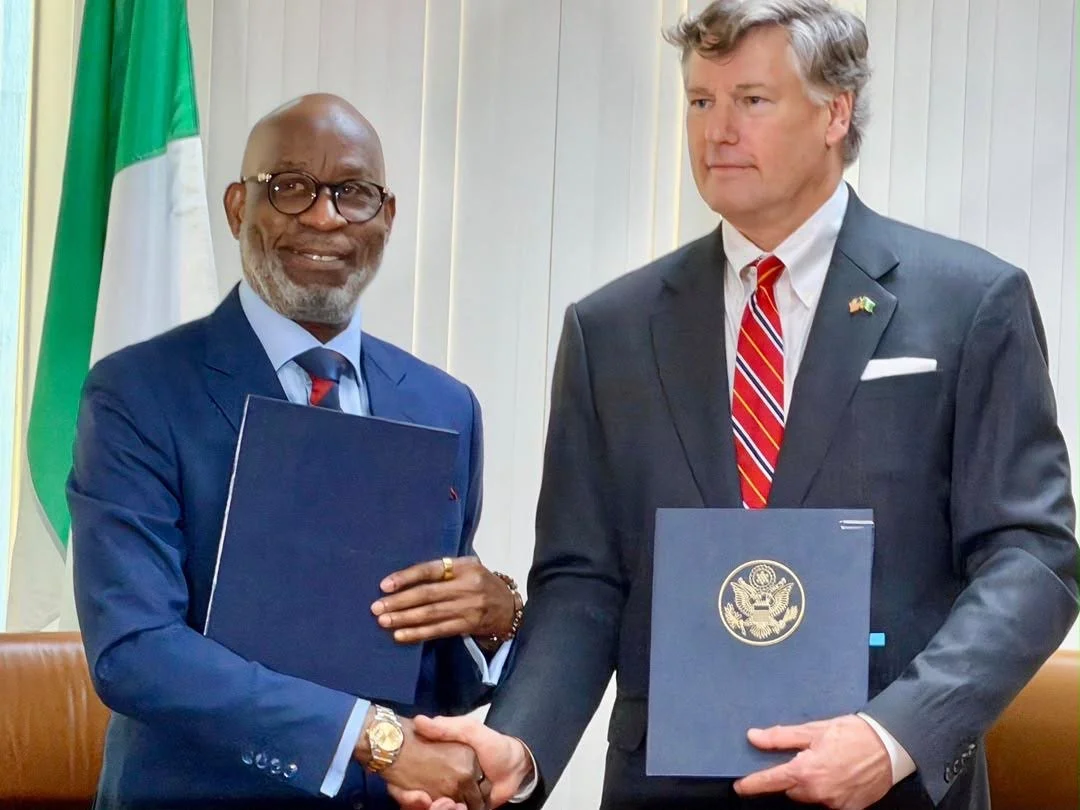
Wike presented land allocation documents to members of the FCT Council of Traditional Rulers during a meeting in Abuja. He confirmed that all statutory fees tied to the land titles had been waived, describing the decision as part of broader efforts to acknowledge the rights of indigenous communities.
/ You Might Also Like /




The minister stated that requiring traditional rulers to pay for land historically occupied by their communities would be inequitable, reinforcing the rationale behind the fee waiver policy.
Policy Backing and Indigenous Recognition
The initiative follows directives from President Bola Tinubu, who emphasised the need to recognise the historical presence of indigenous populations within the FCT.
Wike noted that while existing legal frameworks may not fully capture original ownership structures, the current administration is committed to addressing these gaps through policy adjustments that promote inclusion and fairness.
Strengthening Government–Traditional Relations
The decision also reflects a broader strategy to deepen collaboration between the federal government and traditional institutions. Traditional rulers play a critical role in community governance, conflict resolution, and local administration within the FCT.
Wike commended the monarchs for their role in ensuring peaceful Area Council elections, describing them as key stakeholders in maintaining stability across the territory.
To further support their functions, the minister pledged to provide utility vehicles to traditional rulers to enhance their operational capacity.
Infrastructure Development Context
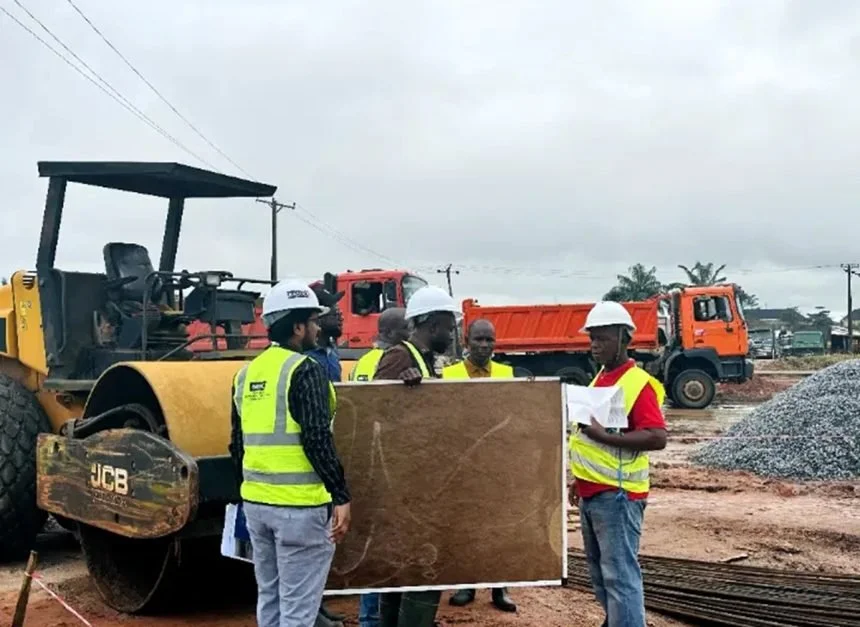
Beyond land administration, Wike highlighted ongoing infrastructure projects across satellite towns in the FCT. These include major road developments such as the Airport-Kuje road, Bwari-Zuba link road, and projects in Apo, Karshi, and other areas.
These projects form part of a broader effort to improve connectivity, support urban expansion, and drive economic activity within and around Abuja.
Implications for Land Policy and Governance
The allocation of land titles combined with fee waivers signals a shift toward more inclusive land governance in the FCT. By formalising land ownership for traditional rulers, the policy could reduce disputes, enhance tenure security, and improve trust between local communities and government authorities.
It also reflects a pragmatic approach to balancing statutory land administration with historical claims, a longstanding issue in Abuja’s development framework.
The FCT administration’s decision to grant land titles and waive associated fees marks a significant step in recognising indigenous rights and strengthening institutional collaboration. As land policy reforms evolve, the initiative may serve as a model for integrating traditional authority into formal governance structures while promoting equity and stability.
READ MORE