Nigerian Stock Market Surpasses ₦160 Trillion on Renewed Investor Confidence
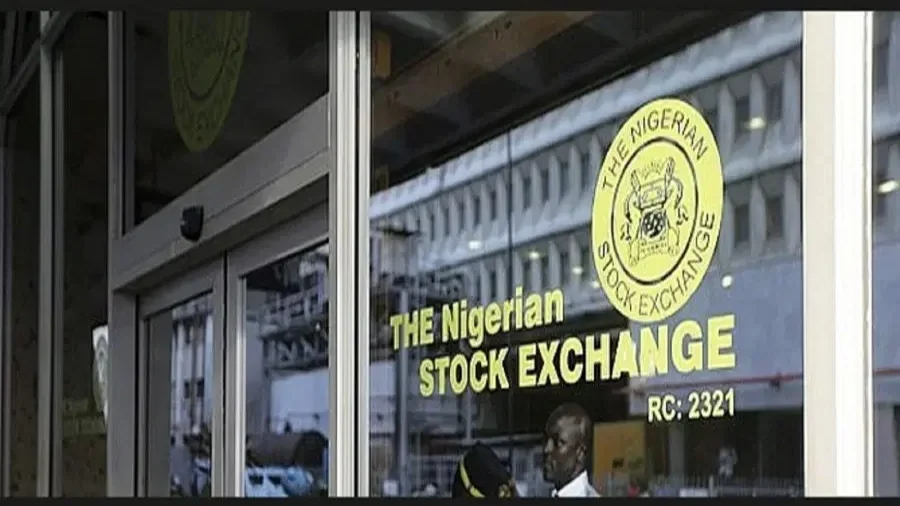
Equities Rally Lifts Nigerian Stock Market Beyond ₦160 Trillion
Nigeria’s equities market has crossed the ₦160 trillion market capitalisation threshold, reflecting renewed investor confidence amid improving macroeconomic sentiment, sustained buying interest, and stronger corporate earnings across key sectors of the economy.
The Nigerian Exchange Limited (NGX) recorded significant gains as investors increased activity in banking, industrial, and consumer goods stocks, extending the market’s bullish momentum in 2026. According to data published by the News Agency of Nigeria (NAN), market capitalisation rose above ₦160 trillion following renewed optimism surrounding ongoing economic reforms and improved liquidity conditions within the financial system
/ You Might Also Like /




Analysts say the latest rally reflects growing confidence among both domestic and foreign investors as Nigeria’s macroeconomic environment gradually stabilises after a prolonged period of currency volatility, inflationary pressure, and policy uncertainty.
Banking Stocks Continue to Drive Market Rally
Market observers note that banking stocks remain among the strongest drivers of the ongoing equities rally.
Several tier-one financial institutions have reported improved earnings performance supported by higher interest rates, stronger trading income, foreign exchange gains, and expanding digital banking revenues.
The banking sector has also benefited from renewed investor positioning ahead of expected recapitalisation activities and broader financial sector reforms introduced by the Central Bank of Nigeria (CBN).
According to trading data, investors increased exposure to large-cap banking stocks and industrial companies, helping sustain upward momentum in the broader market.
Analysts say institutional investors are increasingly viewing Nigerian banking equities as relatively attractive due to strong dividend yields and improving profitability.
Economic Reforms Improve Investor Sentiment
The rally also reflects improved market sentiment following major economic reforms implemented by the Federal Government since 2023.
Policy measures including fuel subsidy removal, exchange rate liberalisation, fiscal adjustments, and ongoing tax reform discussions have contributed to improving investor perceptions regarding Nigeria’s long-term economic outlook.
The World Bank and other multilateral institutions recently acknowledged progress in Nigeria’s macroeconomic stabilisation efforts, although concerns around inflation, debt sustainability, and poverty levels remain. (nairametrics.com)
Foreign portfolio investors have also shown increasing interest in Nigerian financial assets as exchange rate conditions stabilise and monetary policy tightening improves yields within fixed-income and equities markets.
Analysts note that improved foreign exchange liquidity and stronger reserve levels have helped reduce uncertainty surrounding currency convertibility risks that previously affected investor participation.
Industrial and Consumer Goods Stocks Record Gains
Beyond banking stocks, industrial and consumer goods companies have also contributed to market growth.
Investors have continued to monitor earnings performance from cement manufacturers, telecommunications firms, and major consumer brands amid expectations of improving operating conditions and gradual demand recovery.
Despite inflationary pressures and elevated operating costs, several listed companies have implemented pricing adjustments and operational efficiencies that helped support profitability.
Market analysts note that investor appetite for defensive stocks has remained relatively strong as portfolio managers seek exposure to companies with resilient balance sheets and stable dividend histories.
The performance of large-cap industrial stocks has also supported overall market capitalisation growth due to their substantial weighting within the NGX All-Share Index.
Foreign Investors Gradually Return to Market
Financial analysts say improving macroeconomic stability has encouraged a gradual return of foreign portfolio investors to Nigeria’s capital market.
Over the past two years, foreign participation in the equities market declined significantly due to exchange rate instability, foreign exchange repatriation concerns, and broader macroeconomic uncertainty.
However, recent reforms within the foreign exchange market and improving reserve conditions have started to restore confidence among offshore investors.
According to market experts, sustained foreign participation could further strengthen market liquidity and support additional capital inflows into the Nigerian economy.
Nevertheless, analysts caution that investor confidence remains sensitive to inflation trends, fiscal sustainability concerns, and policy consistency.
Inflation and Interest Rate Risks Persist
Despite the bullish market performance, economic risks continue to shape investor sentiment.
Nigeria’s inflation rate remains elevated, affecting household purchasing power and increasing operating costs for businesses across several sectors.
The Central Bank of Nigeria has maintained relatively tight monetary policy conditions in response to inflationary pressures and exchange rate management objectives.
Analysts note that higher interest rates may continue to influence portfolio allocation decisions between fixed-income instruments and equities.
Additionally, concerns over rising public debt levels and external borrowing continue to attract attention from both domestic and international investors.
The Nigerian Economic Summit Group (NESG) recently warned that Nigeria remains within a high-risk debt zone despite improving fiscal indicators.
Market Capitalisation Reflects Broader Economic Expectations
The crossing of the ₦160 trillion threshold is widely viewed as a significant psychological milestone for Nigeria’s capital market.
Analysts say the growth in market capitalisation reflects expectations that economic reforms, improved investor confidence, and stronger corporate earnings could support medium-term expansion within the financial system.
The equities market has increasingly become a key barometer for investor perceptions regarding Nigeria’s economic direction and reform credibility.
Institutional investors, pension fund administrators, and retail investors have continued to increase participation amid expectations of improved market returns relative to inflation-adjusted fixed-income yields.
However, experts caution that sustaining long-term market growth will require continued policy consistency, stronger economic productivity, stable inflation management, and improved corporate governance standards.
Capital Market Seen as Critical to Economic Growth
Market stakeholders continue to emphasise the importance of deepening Nigeria’s capital market as part of broader economic development objectives.
The capital market plays a critical role in mobilising long-term financing for infrastructure, industrial expansion, housing, and private sector growth.
Regulators and market operators have also intensified efforts aimed at increasing investor education, strengthening market transparency, and encouraging new listings across strategic sectors.
Analysts believe stronger capital market development could improve domestic investment mobilisation and reduce overdependence on debt financing for economic growth.
Conclusion
Nigeria’s stock market crossing the ₦160 trillion mark highlights growing investor optimism amid ongoing economic reforms and improving macroeconomic stability.
While banking and industrial stocks continue to drive market momentum, analysts caution that inflationary pressures, fiscal risks, and global economic uncertainties remain important factors shaping investor confidence.
As reforms continue and foreign participation gradually improves, the performance of the equities market is expected to remain closely tied to broader economic stability, policy consistency, and corporate earnings growth across key sectors of the Nigerian economy.
READ MORE