Lagos Retains Dominance as Nigeria’s Leading Business Hub
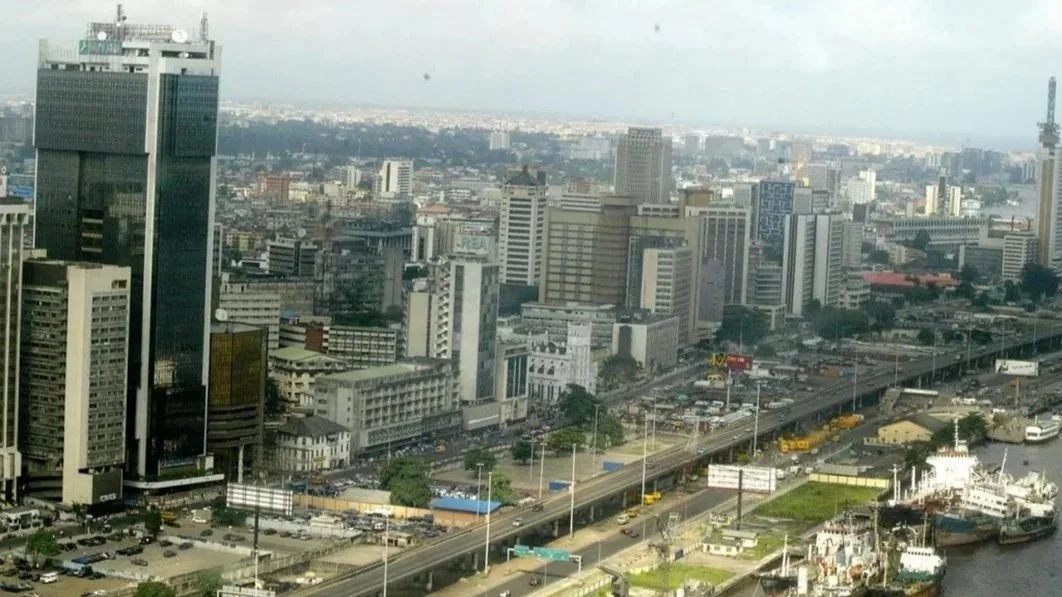
Lagos Tops Nigeria’s Ease of Doing Business Ranking with Strong Performance
Lagos State has been ranked the best state for doing business in Nigeria, according to a new report assessing subnational business environments. The ranking reflects the state’s strong infrastructure, efficient regulatory systems, and robust market access, reinforcing its position as the country’s leading commercial hub.
Strong Performance Across Key Indicators
The report evaluated states using a comprehensive framework of 16 indicators and 36 sub-indicators, covering areas such as electricity access, infrastructure, digital connectivity, land administration, taxation, and trade logistics. Lagos State emerged as the top performer due to its consistent strength across multiple categories.
/ You Might Also Like /




Key advantages include relatively reliable electricity supply, functional land administration systems, and efficient commercial courts, all of which contribute to a more predictable and business-friendly operating environment.
Market Access and Infrastructure Drive Leadership
The state’s dominance is further supported by its strategic position as Nigeria’s primary economic and financial centre. With extensive transport infrastructure, including ports, airports, and rail networks, Lagos offers businesses strong connectivity to both domestic and international markets.
Additionally, the availability of a skilled workforce and access to large consumer markets enhances its attractiveness to investors across sectors.
Comparative State Performance
The report highlights regional disparities in business environments across Nigeria. The South-West geopolitical zone, led by Lagos, accounts for a significant share of top-performing states, reflecting stronger infrastructure and institutional capacity.
Other states in the ranking demonstrated varying strengths, with some excelling in digital connectivity and workforce development, while facing challenges in areas such as access to credit and investor support.
Identified Gaps and Structural Challenges
Despite its top ranking, Lagos faces persistent challenges that could affect long-term competitiveness. The report points to issues such as touting, security concerns around key commercial hubs, and uneven digital connectivity in less urbanised areas.
These factors may create inefficiencies in logistics and increase operational risks for businesses, particularly in transport and trade-related sectors.
Implications for Investors and Policymakers
For investors, the ranking reinforces Lagos as the preferred destination for business expansion and capital deployment in Nigeria. Its established infrastructure and institutional frameworks provide a relatively stable environment compared to other states.
For policymakers, the findings highlight the importance of replicating Lagos’ strengths across other regions while addressing structural bottlenecks that limit nationwide competitiveness.
Lagos’ ranking as Nigeria’s best state for doing business underscores its central role in the country’s economic landscape. While the state continues to set the benchmark for investment attractiveness, addressing identified gaps will be critical to sustaining its leadership and ensuring inclusive growth across the broader economy.
READ MORE