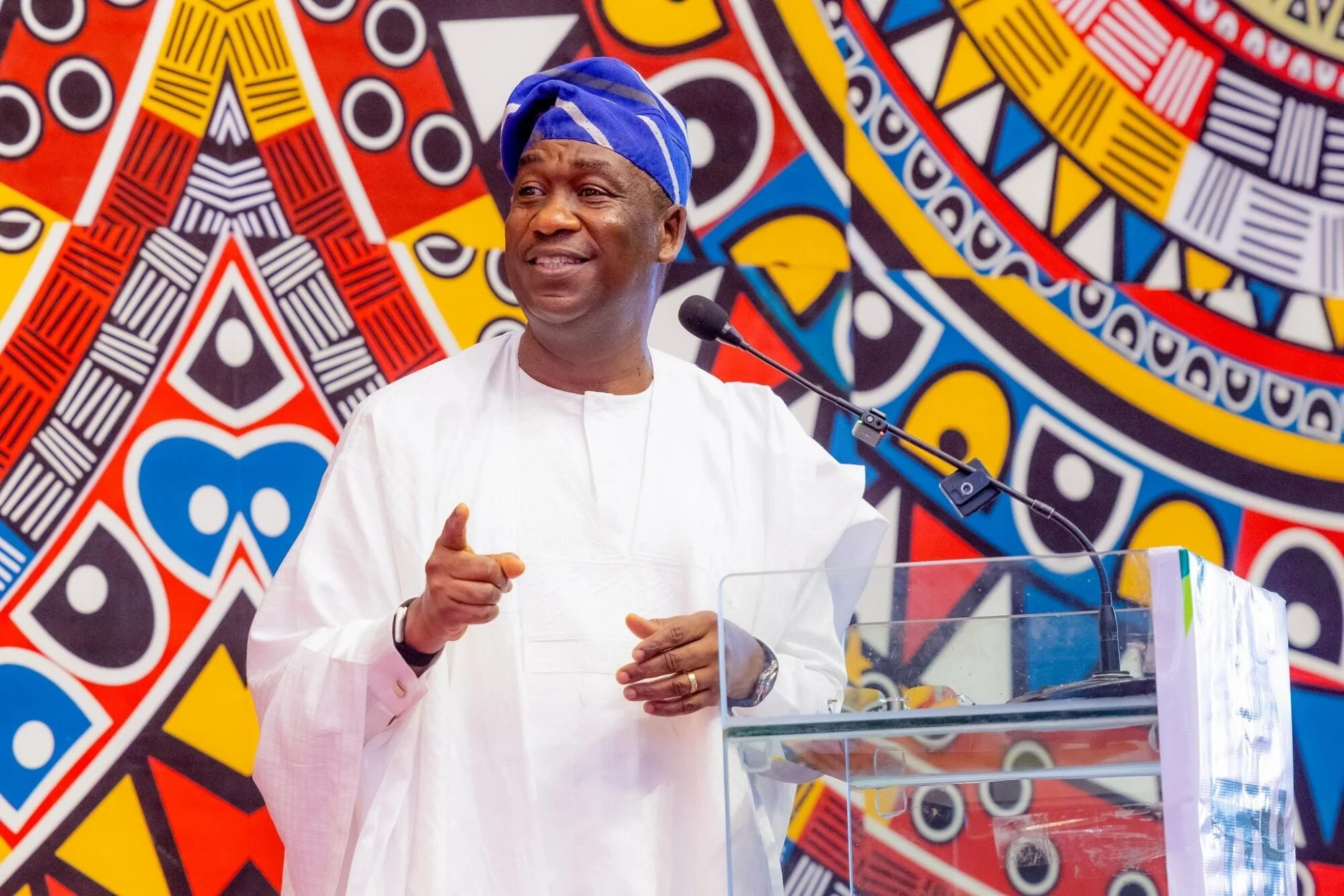
Tinubu Appoints Retired Major General Famadewa as Homeland Security Adviser
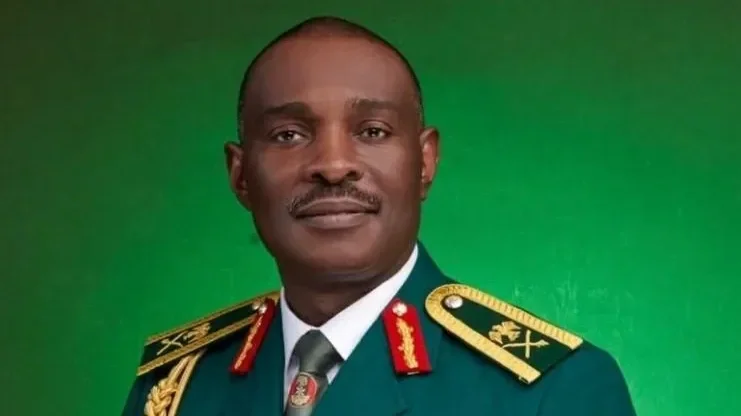
Presidency Creates New Homeland Security Office Amid Rising Security Challenges
President Bola Ahmed Tinubu has appointed retired Major General Adeyinka A. Famadewa as Special Adviser on Homeland Security, creating a new advisory role aimed at strengthening Nigeria’s internal security coordination and intelligence operations.
The appointment was announced through a circular issued by the Office of the Secretary to the Government of the Federation (OSGF), which stated that the decision reflects the administration’s commitment to improving intelligence-led security operations, enhancing inter-agency collaboration, and addressing emerging security threats nationwide
/ You Might Also Like /




The development comes amid continuing security challenges across several parts of Nigeria, including insurgency, banditry, kidnapping, communal violence, cyber threats, and transnational organised crime.
New Homeland Security Role Signals Expansion of Security Structure
The appointment marks the first time a Nigerian president has formally established a dedicated homeland security advisory office within the Presidency at the federal level.
Traditionally, Nigeria’s national security coordination responsibilities have been concentrated within the Office of the National Security Adviser (ONSA), currently headed by Nuhu Ribadu. The NSA office oversees intelligence coordination, counter-terrorism strategy, cybersecurity management, and collaboration among major security agencies including the Department of State Services (DSS), Defence Intelligence Agency (DIA), National Intelligence Agency (NIA), and the armed forces.
Security analysts say the creation of the new homeland security advisory role may reflect the administration’s intention to strengthen domestic security coordination and improve intelligence integration across agencies dealing with internal threats.
However, the move has also generated debate among observers regarding the possible overlap between the new office and existing responsibilities under the NSA framework.
According to BusinessDay, some analysts believe the additional advisory structure could either improve operational efficiency or create institutional rivalry within Nigeria’s already complex security architecture.
Famadewa Brings Intelligence and Counter-Terrorism Experience
According to the Presidency, Major General Famadewa retired after more than three decades of military and intelligence service spanning national security strategy, counter-terrorism operations, intelligence fusion, and international security diplomacy.
During his military career, Famadewa reportedly served as Principal General Staff Officer to the National Security Adviser between 2015 and 2021, where he played a key role in the establishment of the Intelligence Fusion Centre within the Office of the National Security Adviser.
The Intelligence Fusion Centre was designed to improve information sharing and operational coordination among Nigeria’s major intelligence and security institutions.
According to official statements, the centre integrated personnel and intelligence resources from the Defence Intelligence Agency, National Intelligence Agency, Department of State Services, Nigeria Police Force, and the armed forces to strengthen national threat assessment and coordinated responses to security challenges.
Following his retirement from active military service, Famadewa also served as Senior Research Fellow at the Nigerian Army Resource Centre in Abuja, where he contributed to policy discussions on policing, civil-security relations, and national security reform.
Presidency Emphasises Intelligence-Driven Security Approach
The Presidency stated that the appointment aligns with broader efforts under the Tinubu administration to deepen intelligence-driven operations and improve proactive risk management.
Officials noted that the new office would support stronger coordination of homeland security initiatives, intelligence integration, and inter-agency collaboration in response to evolving domestic security threats.
President Bola Ahmed Tinubu reportedly expressed confidence that Famadewa’s military and intelligence background would strengthen ongoing national security reforms and support the administration’s Renewed Hope Agenda.
Nigeria continues to face a wide range of security challenges across multiple regions, including armed insurgency in the North-East, banditry in the North-West, separatist tensions in the South-East, piracy in the Gulf of Guinea, and increasing cybercrime concerns.
Analysts note that intelligence coordination and institutional cooperation remain critical challenges affecting Nigeria’s broader security management framework.
Security Sector Reforms Continue Under Tinubu Administration
Since assuming office in May 2023, the Tinubu administration has implemented several changes within Nigeria’s security and defence architecture.
The President previously appointed Nuhu Ribadu as National Security Adviser, marking the first appointment of a non-military figure to the role since Nigeria’s return to democratic rule in 1999.
The administration has also carried out leadership changes across the military, intelligence agencies, and paramilitary institutions as part of broader security restructuring efforts.
Security experts say the creation of a homeland security advisory office may indicate a growing emphasis on domestic intelligence coordination and integrated threat management similar to homeland security frameworks used in other jurisdictions.
However, analysts argue that the effectiveness of the new structure will largely depend on clearly defined institutional mandates, operational coordination, and avoidance of duplication within existing security agencies.
Concerns Over Institutional Overlap Emerge
Some policy observers have raised concerns that the new advisory office could create ambiguity regarding the distribution of responsibilities within Nigeria’s national security framework.
BusinessDay reported that analysts are questioning how the homeland security adviser role will interact with the Office of the National Security Adviser and whether the new structure could affect existing chains of command and intelligence coordination processes.
Nigeria’s security architecture already includes multiple agencies with overlapping responsibilities across intelligence gathering, internal security, counter-terrorism, and law enforcement operations.
Experts argue that improved institutional clarity and stronger coordination mechanisms will be necessary to ensure operational efficiency and avoid bureaucratic conflict.
The appointment of retired Major General Adeyinka Famadewa as Special Adviser on Homeland Security signals a significant development within Nigeria’s evolving national security framework.
As the Tinubu administration continues efforts to strengthen intelligence coordination and internal security management, the newly created office could play an important role in improving inter-agency collaboration and strategic threat response.
However, analysts say the long-term effectiveness of the initiative will depend on clearly defined operational responsibilities, institutional coordination, and the administration’s broader capacity to address Nigeria’s persistent and complex security challenges.
READ MORE