Why Informal Land Transactions Dominate Nigeria’s Real Estate Market
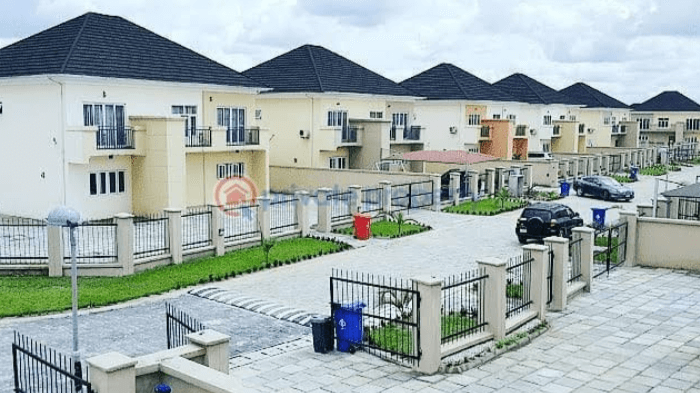
Investors Favour Informal Land Market Over Formal Acquisition Channels
Nigeria’s informal land market is increasingly becoming the preferred destination for many property investors despite mounting concerns over fraud, ownership disputes, and weak regulatory oversight.
Industry analysts say prolonged bureaucratic processes, rising urban land demand, expensive title registration systems, and weak institutional coordination have pushed many investors toward informal property transactions as a faster and more accessible alternative to formal acquisition channels.
/ You Might Also Like /




The trend reflects broader structural challenges within Nigeria’s land administration system, where obtaining statutory titles and development approvals can remain costly, time-consuming, and unpredictable.
Investors Prioritise Speed and Accessibility
According to property market experts, many investors are attracted to the informal land market because transactions are often completed more quickly and with fewer administrative hurdles compared with formal acquisition systems.
In many Nigerian cities, especially rapidly expanding urban corridors around Lagos, Abuja, Ibadan, Port Harcourt, and Ogun State, informal land transactions have become common among both individual buyers and speculative investors.
Analysts note that informal land deals often involve direct negotiations with families, community representatives, traditional landowners, or local intermediaries without full statutory registration processes.
For many investors, particularly first-time buyers and small-scale developers, the lower entry costs and perceived speed of informal transactions outweigh concerns over documentation and long-term legal security.
Urban expansion corridors linked to infrastructure projects and suburban development continue to attract speculative land purchases from investors seeking early appreciation opportunities.
Bureaucratic Delays Continue to Frustrate Investors
Industry stakeholders have repeatedly identified Nigeria’s complex land administration framework as one of the biggest barriers affecting real estate development and formal property investment.
Obtaining Certificates of Occupancy (C of O), Governor’s Consent, survey approvals, and planning permits can take several months or even years depending on the state and location involved.
According to built environment experts, the administrative bottlenecks increase transaction costs, delay project implementation, and create uncertainty for investors and developers.
The Land Use Allocation Committee recently warned that weak land administration systems, unclear titles, and inconsistent planning regulations are threatening Nigeria’s estimated ₦41.3 trillion real estate sector.
The committee also highlighted unresolved ownership disputes, fragmented approval systems, and inconsistent regulatory enforcement as major risks affecting investor confidence.
Analysts argue that many investors now prefer informal channels because they perceive formal land acquisition systems as inefficient and excessively bureaucratic.
Rising Urbanisation Fuels Informal Transactions
Rapid urbanisation continues to intensify land demand across Nigeria’s major cities and peri-urban corridors.
Lagos, Abuja, Ibadan, and Ogun State have witnessed strong growth in speculative land purchases driven by population expansion, infrastructure development, and rising housing demand.
Property consultants note that many investors view land banking as a hedge against inflation and currency volatility, particularly amid economic uncertainty and persistent naira depreciation.
The Lekki-Epe corridor, Lagos-Ogun border communities, and emerging suburban districts around Abuja have become major hotspots for informal land transactions linked to anticipated infrastructure growth and rising future property values.
Analysts say informal markets often dominate these emerging districts because formal planning systems and statutory title registration frameworks struggle to keep pace with urban expansion.
Investors Weigh Risks Against Potential Returns
Despite its popularity, the informal land market remains highly risky.
Property lawyers and urban development experts warn that weak documentation, overlapping ownership claims, family disputes, land grabbing, and fraudulent sales continue to threaten investors operating outside formal title systems.
Cases involving multiple sales of the same land parcel, forged documents, and community disputes remain common across several urban and peri-urban areas.
Online discussions among Nigerian property investors also reflect growing concerns over land fraud, weak legal protections, and poor regulatory enforcement. Some investors on Reddit described the Nigerian real estate environment as highly vulnerable to title disputes and inconsistent government enforcement.
Others highlighted concerns over informal investment schemes and speculative land sales lacking adequate legal safeguards.
Industry experts note that while informal transactions may provide faster access to land, they often expose investors to long-term legal and financial risks.
Weak Mortgage Penetration Supports Land Speculation
Nigeria’s limited mortgage penetration has also contributed to the growth of informal land investment.
With mortgage financing remaining largely inaccessible to many households due to high interest rates and strict lending conditions, land acquisition has become one of the most common forms of real estate investment.
According to market analysts, many middle-income earners prefer purchasing undeveloped land gradually rather than pursuing formal homeownership through expensive mortgage systems.
The trend has strengthened speculative land investment activity, particularly in suburban districts expected to benefit from future infrastructure expansion and population spillover.
Real estate analysts say land remains attractive because it is widely perceived as a relatively stable long-term asset class despite economic volatility.
Digital Land Reforms Yet to Fully Address Challenges
Several state governments have introduced reforms aimed at modernising land administration systems and improving title registration efficiency.
Lagos State, for example, has expanded digital cadastral mapping initiatives and automated land documentation processes as part of broader efforts to improve transparency and reduce transaction bottlenecks.
However, analysts argue that implementation gaps, weak institutional coordination, and inconsistent enforcement continue to limit the effectiveness of many reforms.
Urban planning experts say comprehensive land reform will require harmonised data systems, digitised land registries, improved dispute resolution mechanisms, and stronger enforcement of planning regulations.
There are also calls for increased public awareness around due diligence, title verification, and legal documentation within property transactions.
Informal Market Reflects Broader Housing Challenges
The expansion of informal land transactions also reflects broader structural issues affecting Nigeria’s housing and urban development sectors.
Rapid population growth, inadequate housing supply, weak planning systems, and limited infrastructure investment have intensified pressure on urban land markets.
Analysts note that formal housing delivery systems continue to struggle with affordability constraints, financing limitations, and regulatory inefficiencies.
As a result, many households and small-scale investors operate outside formal planning and title systems to secure housing and investment opportunities.
Experts warn that continued growth of informal land markets without stronger regulatory reforms could worsen urban sprawl, infrastructure deficits, and land conflict risks in the long term.
Nigeria’s informal land market continues to attract investors seeking faster transactions, lower entry barriers, and speculative growth opportunities amid rising urbanisation and expanding property demand.
However, the growing reliance on informal channels also exposes deep structural weaknesses within the country’s land administration and urban planning systems.
While informal markets may provide short-term accessibility and investment opportunities, analysts argue that sustainable growth within Nigeria’s real estate sector will ultimately depend on stronger land reforms, transparent title systems, digital administration, and improved regulatory enforcement capable of protecting investors and supporting long-term urban development.
READ MORE