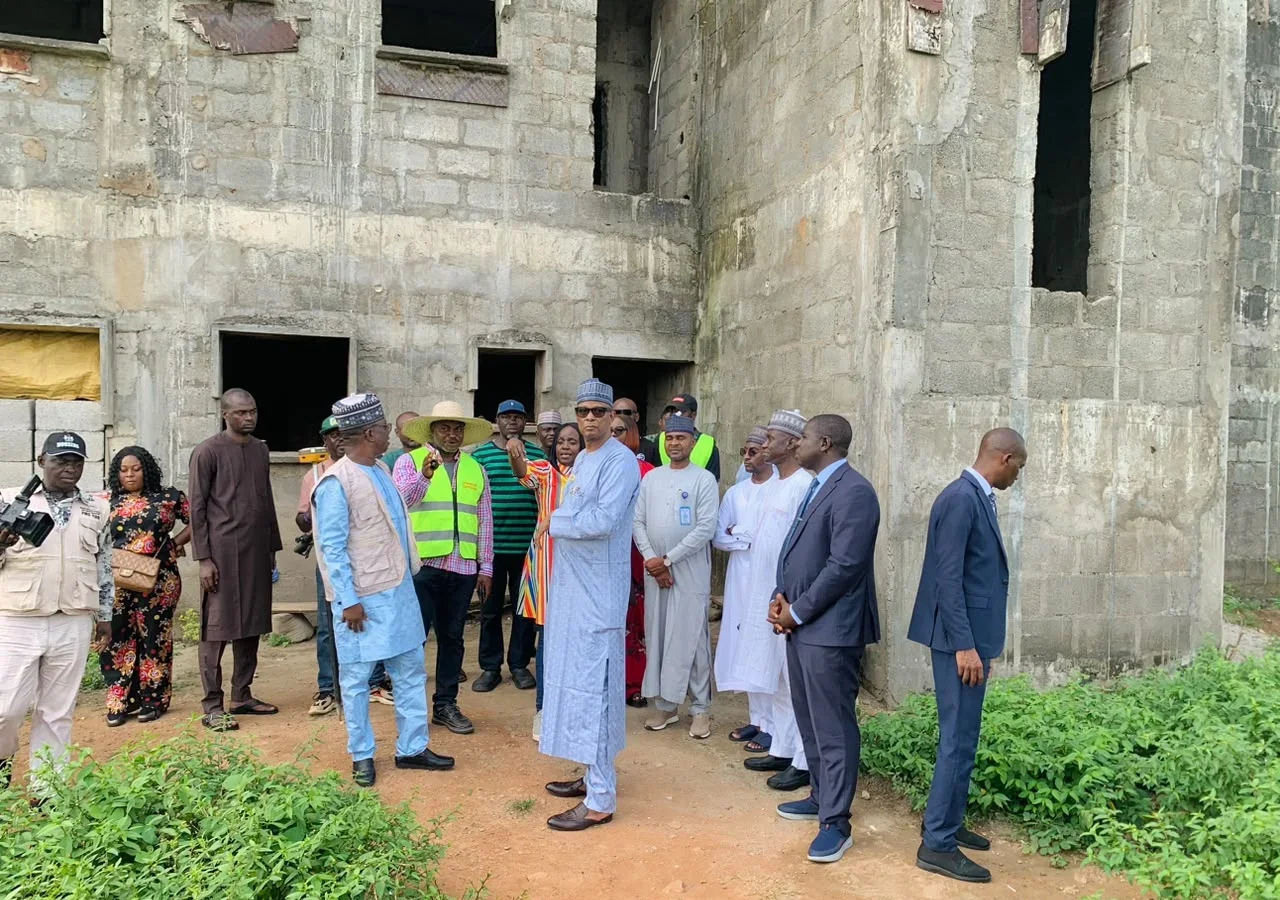
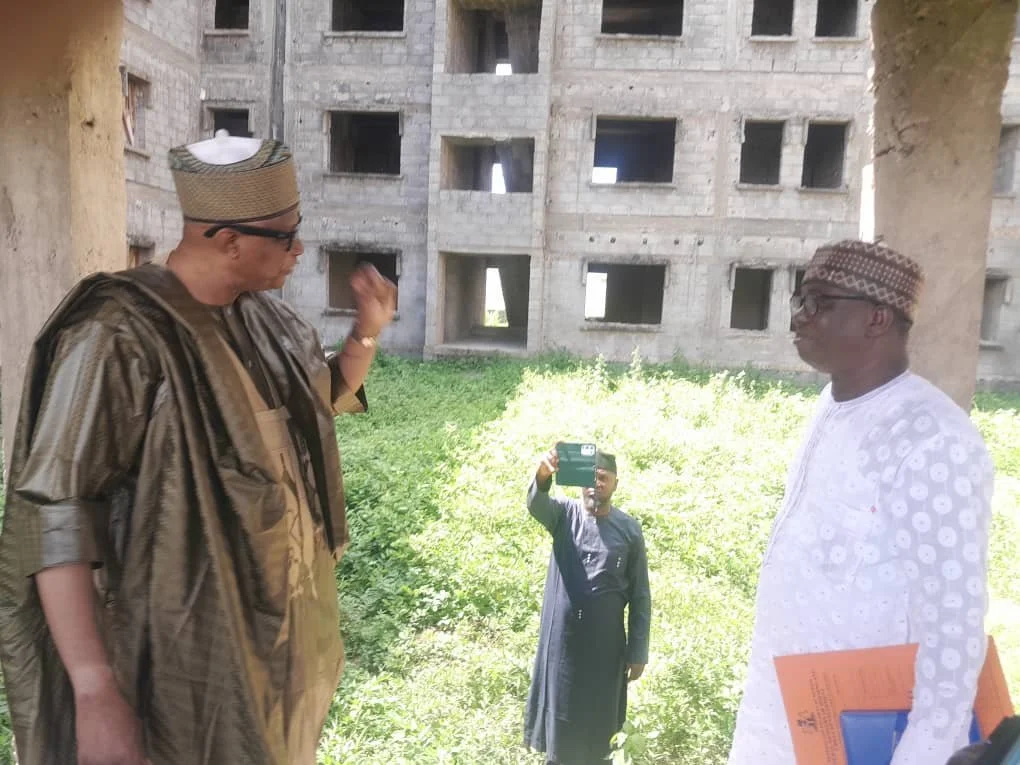
Wike Closes Secretariat of Dissolved Committee on Sale of Federal Government Houses
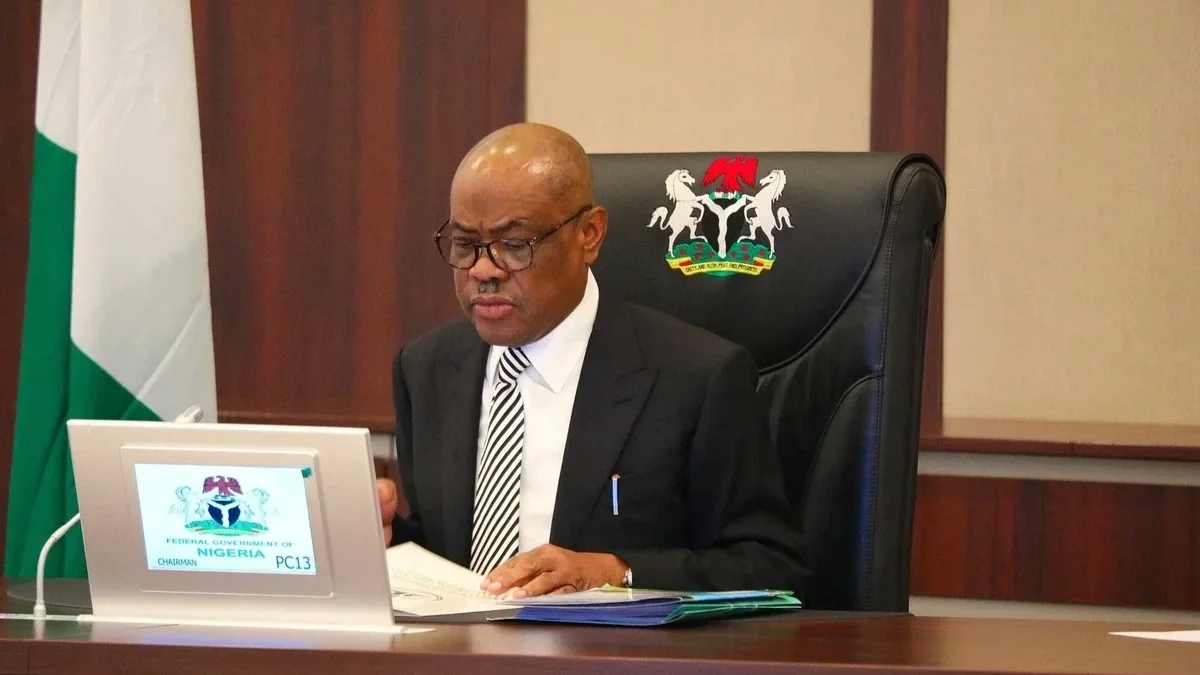
Wike restructures FG housing management
The Federal Capital Territory Administration has closed the secretariat of the dissolved Ad-Hoc Committee on the Sale of Federal Government Houses in Abuja, following a directive by FCT Minister Nyesom Wike to transfer the committee’s responsibilities to a new division within the administration.
/ You Might Also Like /




Wike issued the directive on August 11, 2026, during a meeting with the committee at the FCTA Secretariat in Abuja, where he formally announced the dissolution of the committee and ordered the immediate closure of its secretariat. The minister said the new division would take over the committee’s responsibilities and provide continuity in the management of the Federal Government’s housing assets.
FCTA restructures management of federal housing assets
The dissolved committee had been responsible for overseeing aspects of the Federal Government’s plan to sell selected government-owned residential properties.
Following its dissolution, Wike directed the FCTA to establish a dedicated division that will assume the committee’s functions.
The restructuring places the responsibility for managing the process within the formal administrative structure of the FCTA rather than maintaining a separate ad-hoc committee.
This could provide a more permanent institutional framework for managing government housing assets in the Federal Capital Territory.
Committee members directed to hand over responsibilities
Wike directed members of the dissolved committee to hand over all relevant documents, records and other materials to the newly established division.
The handover is expected to allow the FCTA to maintain continuity in the administration of the housing assets and any processes already undertaken by the committee.
The minister also thanked members of the committee for their contributions during the period of its operation.
Government houses remain significant Abuja property assets
The Federal Government owns a substantial portfolio of residential properties in Abuja, including houses and other accommodation previously allocated to public officials and government institutions.
The management and potential disposal of these properties have implications for Abuja’s property market because government-owned residential assets form part of the wider housing stock in the Federal Capital Territory.
Any decision to sell such properties could also affect the supply of housing available to private buyers, particularly in established districts where land and residential property prices remain high.
Sale process requires transparency and clear valuation
The restructuring of the committee also places greater importance on how the Federal Government manages the valuation and disposal of its housing assets.
For prospective buyers, transparency around property identification, valuation, eligibility and sale procedures will be important in ensuring that the process remains credible.
Clear valuation standards are particularly important in Abuja, where property values can vary substantially depending on location, infrastructure, land title and surrounding development.
A structured process could also help reduce disputes over government property and improve confidence among potential investors and buyers.
Potential implications for Abuja’s housing market
The sale of Federal Government houses could introduce additional residential properties into the private market.
Depending on the number, location and condition of properties eventually offered for sale, the programme could provide opportunities for individuals, investors and other eligible buyers to acquire properties in established Abuja neighbourhoods.
However, the wider market impact will depend on the scale of the disposals and the pricing framework adopted by the government.
If properties are offered at market-based valuations, the programme may have limited impact on overall housing affordability. If significant numbers of units enter the market at accessible prices, however, the disposals could provide additional options for buyers seeking completed homes in Abuja.
Institutional framework will be closely watched
The decision to replace the ad-hoc committee with a dedicated FCTA division could provide greater continuity in the administration of the Federal Government’s housing assets.
A permanent administrative structure could also make it easier to maintain records, monitor property status and coordinate future transactions.
For property professionals, the key issue will be how the new division manages the transition and whether the government provides clear information on properties covered by the disposal programme.
Outlook
The closure of the secretariat marks a new phase in the Federal Government’s approach to managing and potentially disposing of its residential properties in Abuja.
The creation of a dedicated FCTA division could strengthen institutional oversight, but the success of the new arrangement will depend on transparent property valuation, clear eligibility criteria, proper documentation and an accountable sales process.
For Abuja’s property market, the eventual scale and pricing of any Federal Government housing disposals will determine whether the initiative simply changes ownership of existing housing stock or contributes more meaningfully to housing supply and affordability.
READ MORE