Abuja Petrol Prices Rise to ₦1,430 as Higher Refinery Costs Hit Filling Stations
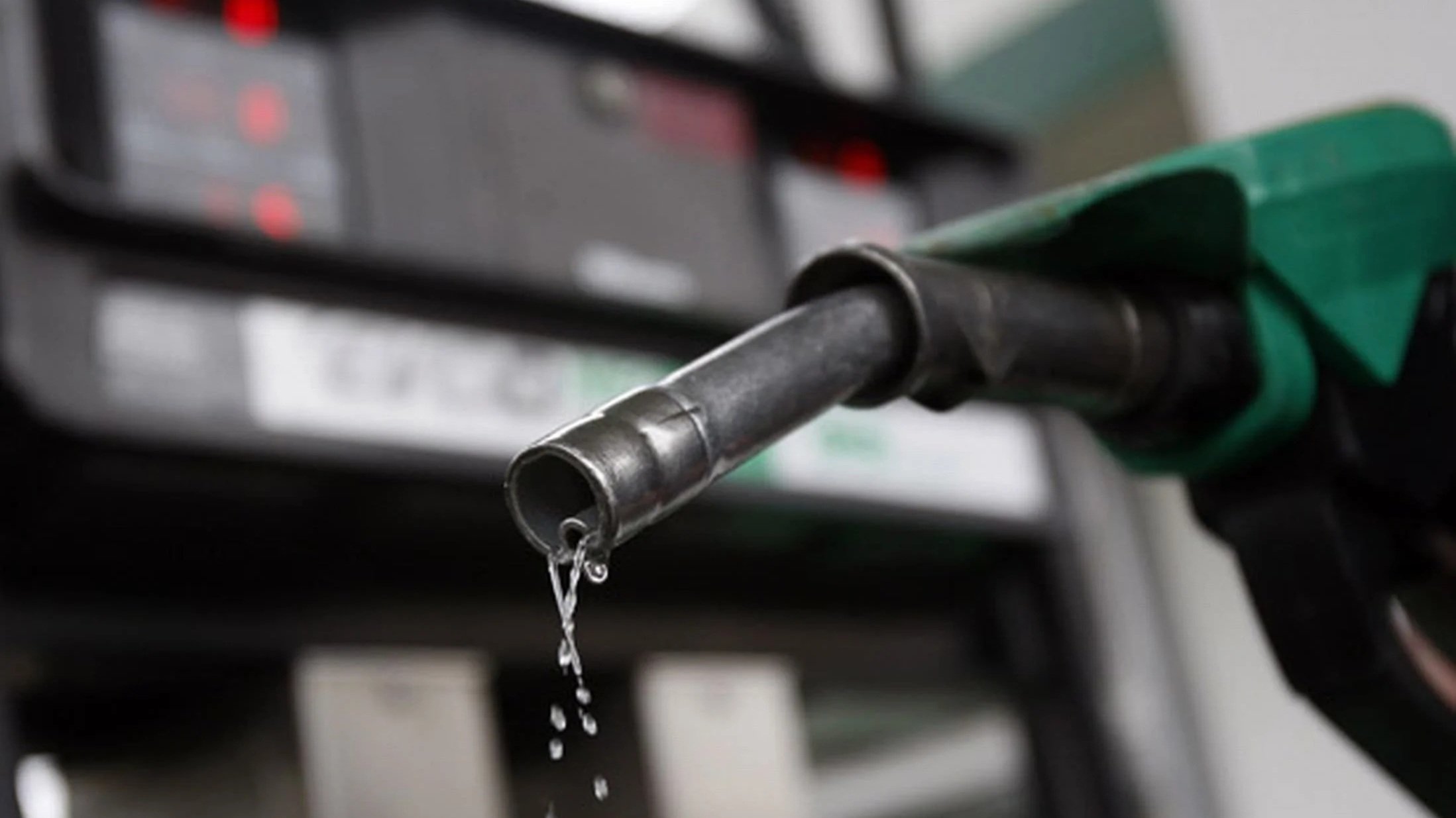
Petrol price increases add to Abuja’s cost pressures
Petrol prices have increased across several filling stations in Abuja following a rise in the wholesale price of Premium Motor Spirit (PMS) by Dangote Petroleum Refinery, adding fresh pressure to transportation and operating costs for households and businesses in the Federal Capital Territory.
/ You Might Also Like /



Checks reported on September 13 showed that MRS outlets increased their pump price from ₦1,350 to ₦1,395 per litre, NIPCO outlets moved from ₦1,350 to ₦1,430, while Mobil outlets raised prices to ₦1,400 per litre.
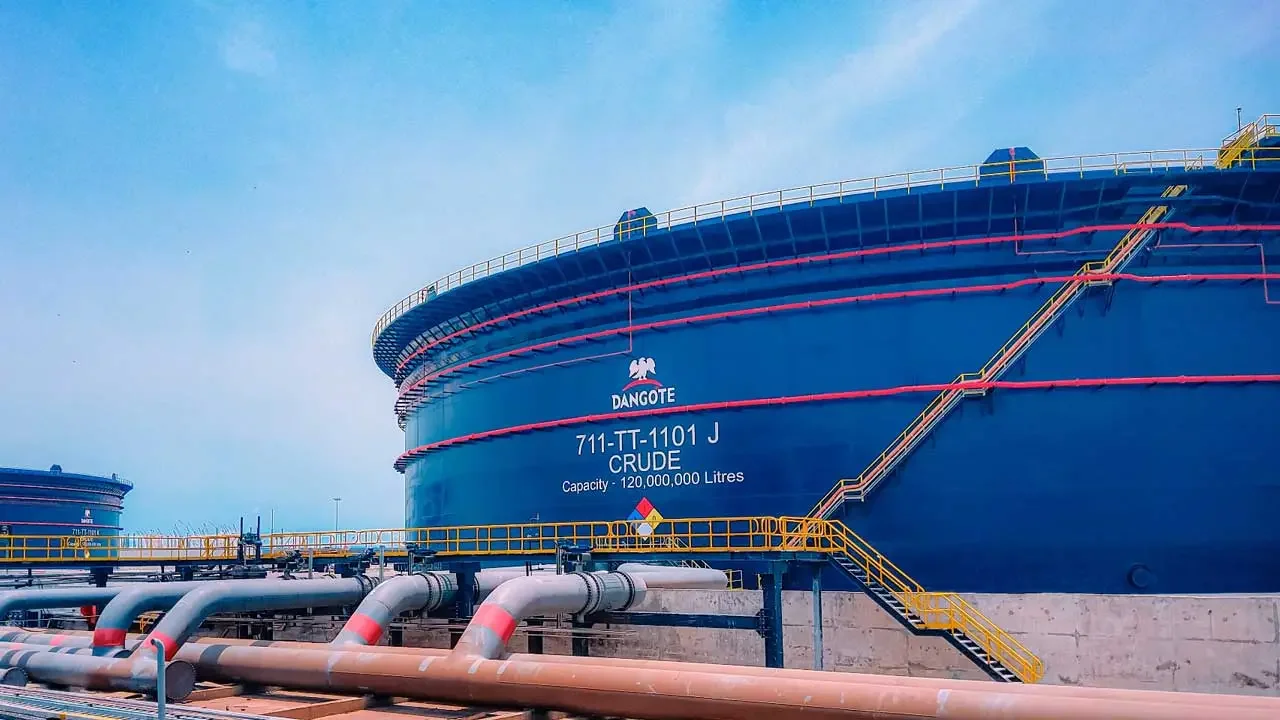
The latest adjustments followed an ₦85 increase in Dangote Refinery’s gantry price, from ₦1,265 to ₦1,350 per litre, according to the report.
Filling Stations Adjust Pump Prices
The latest increase has affected multiple retail outlets across the FCT, although prices vary between marketers.
MRS outlets were selling petrol at ₦1,395 per litre, while NIPCO was charging ₦1,430 and Mobil ₦1,400 per litre based on checks reported on Sunday.
A petrol attendant at an MRS station also indicated that another increase could occur as newer stock reaches filling stations, suggesting that the full impact of the latest wholesale adjustment may not yet have reached the retail market.
The price movements highlight the sensitivity of Nigeria’s deregulated downstream market to changes in refinery pricing and crude oil costs.
Dangote Refinery Price Increase Drives Latest Adjustment
The immediate trigger for the latest retail increases was the adjustment in Dangote Refinery’s gantry price.
The refinery raised the price from ₦1,265 to ₦1,350 per litre, representing an increase of about 6.7 per cent. The wholesale price was reported to have moved above the prevailing petrol landing cost of ₦1,311 per litre.
The increase comes amid higher international crude oil prices. Brent crude, the international benchmark referenced in the report, was trading above $108 per barrel.
Although Nigeria now has greater domestic refining capacity, crude oil prices remain an important factor in determining the cost of refined petroleum products.
Other factors, including logistics, distribution expenses, exchange-rate movements and marketers’ margins, also influence the final pump price.
Marketers Face Greater Pricing Uncertainty
The Independent Petroleum Marketers Association of Nigeria (IPMAN) said marketers adjusted their prices following successive changes in Dangote Refinery’s pricing.
IPMAN National Publicity Secretary Chinedu Ukadike said frequent price adjustments were creating uncertainty for both marketers and consumers because the cost of replacing existing stock could change between purchases.
This creates a difficult operating environment for filling-station operators.
Retailers must balance the cost of replacing their stock with consumer demand and competition from other stations. A sudden increase in wholesale prices can therefore require operators to adjust pump prices quickly to avoid selling new stock below replacement cost.
Higher Fuel Costs Could Increase Transportation Expenses
The immediate impact on consumers is likely to come through transportation.
Petrol remains a major input for road transportation in Nigeria, meaning increases in pump prices can feed into fares for commercial vehicles, logistics costs and the movement of goods.
An economist and development expert, Aliyu Ilias, told NAN that higher petrol prices could worsen inflation by increasing transportation and production costs. He particularly highlighted the effect on food and other goods whose prices depend heavily on transportation.
For households already managing elevated living costs, another increase in transportation expenses can reduce disposable income available for other needs.
Implications for Construction and Real Estate
The latest petrol increase also carries implications for Nigeria's property and construction sectors.
Construction depends heavily on transportation. Trucks move cement, steel, blocks, sand, aggregates, tiles, fittings and other materials from manufacturers and suppliers to construction sites.
Higher fuel costs can therefore increase the cost of moving materials, machinery and workers.
Developers operating in locations far from major suppliers may face greater exposure because transportation represents a larger component of their project costs.
Where developers cannot absorb the additional expenses, some of the increase may eventually be reflected in property prices, rents or service charges.
This comes at a time when Nigeria's construction sector is already dealing with elevated material and financing costs, making fuel-price movements another factor developers must incorporate into project budgets.
Abuja Property Market Could Face Higher Operating Costs
The impact extends beyond construction itself.
Residential estates, commercial buildings and property-management companies depend on transportation, generators and other fuel-consuming activities. Higher petrol prices can increase expenses associated with facility management, maintenance and movement of personnel.
For property owners and estate managers, this could place additional pressure on operating budgets.
In developments where residents already pay service charges for estate management, security, maintenance and other shared services, higher operating costs could eventually influence those charges.
The impact will vary significantly depending on how heavily an individual property depends on petrol-powered equipment and transportation.
Rising Fuel Prices Add to Household Cost Pressures
Fuel prices also influence housing affordability indirectly.
Households do not evaluate housing costs in isolation. The total cost of living in a particular location includes rent or mortgage payments, transportation, electricity, food and other recurring expenses.
An increase in transportation costs can make properties located farther from employment centres less attractive to some households, even when rents are comparatively lower.
For Abuja, where residential development continues to expand into peripheral districts, transport costs can become an increasingly important factor in determining the effective affordability of housing.
A cheaper home located far from employment and commercial centres may carry significantly higher commuting costs.
Stakeholders Call for Greater Protection for Consumers
The latest price increase has also renewed calls for stronger measures to protect consumers from sudden changes in petroleum prices.
Former Secretary-General of the Organisation of African Trade Union Unity, Owei Lakemfa, argued that Nigeria needs stronger planning and regulatory mechanisms to reduce the impact of international oil-price movements on domestic consumers.
He also raised concerns about the structure of the downstream market and called for regulators to prevent excessive influence over the pricing of a critical commodity such as petrol.
The comments highlight an ongoing policy challenge: how to maintain a market-based petroleum sector while limiting the economic shock that rapid price movements can create for households and businesses.
Domestic Refining Has Changed the Market
The latest development also demonstrates the changing structure of Nigeria's downstream petroleum sector.
The Dangote Refinery began supplying petrol to the Nigerian market in September 2024, reducing the country's previous reliance on imported refined products.
The emergence of a major domestic refinery has changed the supply chain, but it has not insulated consumers from movements in global crude prices.
Domestic refining can reduce some costs associated with importing refined products, including international shipping and related expenses, but crude oil remains the primary feedstock for petrol production.
As a result, international oil-market movements can still affect domestic fuel prices.
Outlook
The latest petrol price increases in Abuja show how changes in refinery pricing can quickly move through the downstream market and affect consumers.
With MRS, NIPCO and Mobil outlets already adjusting their prices, further changes could emerge as marketers replace existing inventories at the higher wholesale cost.
For Nigeria's real estate sector, the development adds another cost variable to an already challenging operating environment. Higher fuel prices can increase transportation, construction logistics and property-management expenses, potentially adding further pressure to development costs and housing affordability.
The broader policy challenge will be to balance market-based pricing with measures that limit excessive volatility and protect households and productive sectors from sudden increases in essential energy costs.
READ MORE