Victoria Island to Deliver 602 New Homes in 2026 Amid Rising Lagos Rents
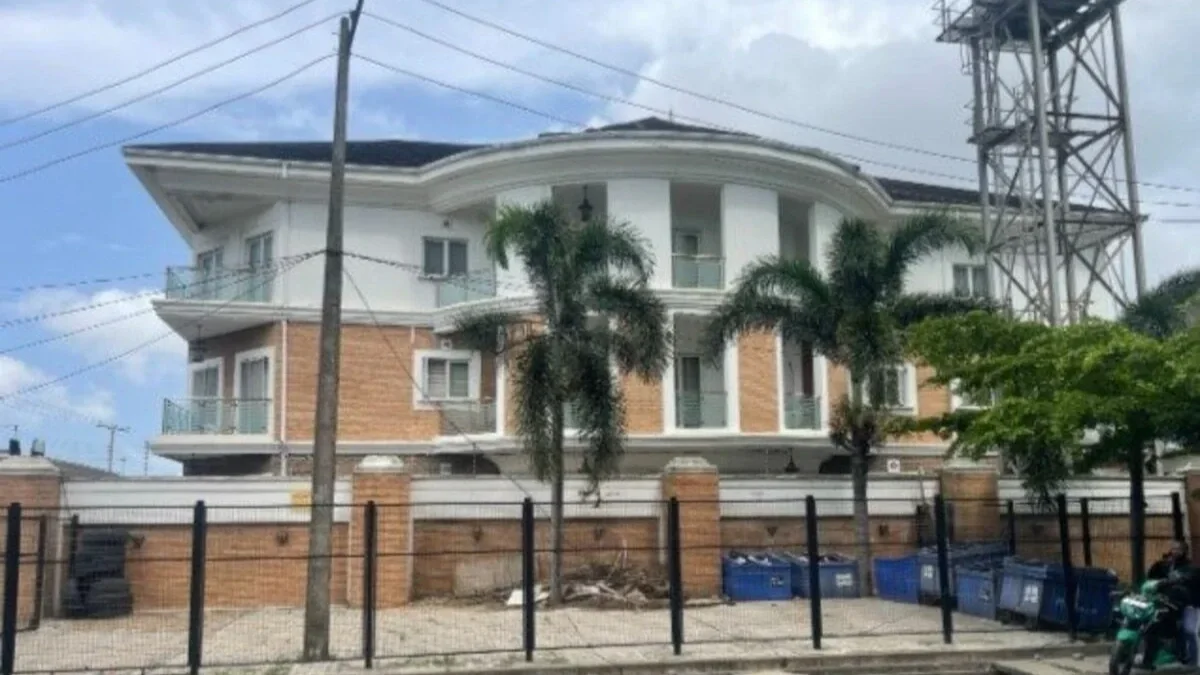
Victoria Island Set to Deliver More Than 600 Homes in 2026
Victoria Island is expected to deliver more than 602 residential units in 2026 as developers expand housing supply across the high-value Lagos district, even as rents remain elevated.
The projection comes from real estate market intelligence platform Estate Intel’s July 2026 report on residential pipeline activity in Victoria Island, which identified more than 2,850 residential units at different stages of development across five districts.
/ You Might Also Like /




Victoria Island Housing Pipeline Exceeds 2,850 Units
Estate Intel identified residential projects across North-West Victoria Island, North-East Victoria Island, Core Victoria Island, South-West Victoria Island and South-East Victoria Island.
The data shows that 47.1% of the residential pipeline remains at the conceptual or early site-work stage, while 43.5% is under construction and 9.4% has reached the implementation stage.
The figures indicate that a substantial portion of the planned housing stock remains in the development pipeline, while a similarly significant share is already progressing through construction.
North-West Victoria Island accounts for the largest concentration of identified developments, reflecting the expansion of residential construction beyond the traditional core of the district.
Developers Expand Across Five Victoria Island Districts
The revised Victoria Island Model City master plan has broadened the development focus beyond Core Victoria Island to include the North-West, North-East, South-West and South-East districts.
Estate Intel's assessment identified multiple multi-storey residential projects at different stages of development across these areas.
In North-West Victoria Island, projects including Hebron Tower, Ivie Tower and Reportage Tower are at the conceptual or early site-work stage, while The Alfred, The Gaia, Elysian Rise, Ozumba Mbadiwe Tower and Trimnell Towers are under construction.
North-East Victoria Island also has several developments at various stages, including Miami Apartments, The Lavender, Franklin Residence, Mizark Apartments, Wuta Residence, The Square and Delta Tower.
The development pipeline extends into South-West and South-East Victoria Island, where several residential towers are also under construction.
Land Values Remain High
The expansion of residential construction is taking place in a market characterised by high land values.
Estate Intel puts the average land price in Victoria Island at ₦3.05 million per square metre, equivalent to about $2,238 per square metre.
High land acquisition costs contribute significantly to development costs and influence the type and pricing of housing that developers can deliver.
The market has consequently attracted substantial investment in multi-storey and high-value residential developments, allowing developers to maximise the use of expensive urban land.
New Supply Comes Amid Rising Rents
The expected delivery of more than 602 homes comes against a backdrop of rising housing costs across Lagos.
A separate housing and capital market report presented at a GTI Investment Group forum in August 2026 estimated that Lagos' housing deficit increased from 2.95 million units in 2016 to 3.4 million units in 2025, representing a 15% increase.
The report also estimated that Lagos requires about ₦6 trillion annually to bridge its housing capital gap.
Victoria Island remains one of Lagos' most expensive rental markets. Findings presented at the forum put the average annual rent for a two-bedroom apartment in the district at ₦18 million, although reported rents ranged from ₦3 million to more than ₦50 million.
The combination of increasing housing supply, high land prices and elevated rents highlights the challenge of delivering additional homes at prices accessible to a wider section of Lagos' population.
Lagos Needs More Than 227,000 New Homes Annually
The scale of Victoria Island's development pipeline needs to be viewed against Lagos' wider housing requirements.
According to findings previously reported by Nairametrics, Lagos needs about 227,576 new homes each year to accommodate population growth and replace deteriorating housing stock.
The 602 units expected from Victoria Island therefore represent only a small portion of the state's annual housing requirement.
While new developments contribute to overall supply, the composition and pricing of those units remain important factors in determining whether additional construction can significantly improve housing affordability.
Housing Affordability Remains a Major Challenge
The growth in residential supply has not eliminated the affordability pressures facing Lagos households.
Research presented at the GTI Investment Group housing forum found that some Lagos residents spend between 60% and 70% of their income on rent. It also found that rent for a two-bedroom apartment could consume as much as 97% of the monthly income of a worker earning ₦300,000.
These figures demonstrate the gap between housing costs and household incomes.
For developers, the challenge is not simply to increase the number of units but to deliver housing products that match different income levels and purchasing capacities.
More Institutional Finance Needed
The housing funding gap also points to the need for greater participation from institutional investors and long-term sources of capital.
Experts at the GTI housing forum called for increased use of pension funds, Real Estate Investment Trusts (REITs), bonds, asset-backed securities and mortgage-backed instruments to channel longer-term capital into housing development.
Such financing mechanisms could provide developers with access to capital that better matches the long development cycles associated with residential projects.
Greater access to long-term financing could also support the development of housing beyond the high-value segment of markets such as Victoria Island.
Victoria Island Development Reflects Lagos Property Trends
The continued construction activity in Victoria Island reflects the broader transformation of Lagos' established residential and commercial districts.
As land becomes more expensive and available development sites become increasingly limited, developers are turning to higher-density projects to maximise returns from urban locations.
The concentration of multi-storey developments in the district also demonstrates the growing importance of vertical housing in high-value areas where land costs make low-density development less commercially attractive.
However, the challenge for the wider housing market remains ensuring that new supply extends beyond premium housing and reaches households facing the greatest affordability pressures.
Outlook
Victoria Island's expected delivery of more than 602 residential units in 2026 adds to a development pipeline of more than 2,850 units across the district.
The new supply will increase the number of homes available in one of Lagos' most expensive property markets, but its impact on the state's wider housing challenge will remain limited without significantly larger volumes of new housing and greater access to affordable finance.
For developers and investors, the continued pipeline demonstrates sustained demand for residential property in prime Lagos locations. For policymakers, however, the wider figures reinforce the need to expand housing supply across different price segments while improving access to long-term housing finance.
READ MORE