FG Links Carter Bridge Failure to Corrosion, Detached Piles and Illegal Mining
Carter Bridge Failure Linked to Corrosion, Poor Maintenance and Illegal Mining
The Federal Government has attributed the deterioration and failure of Lagos’ Carter Bridge to detached piles, extensive corrosion, inadequate maintenance, scouring and illegal sand mining.
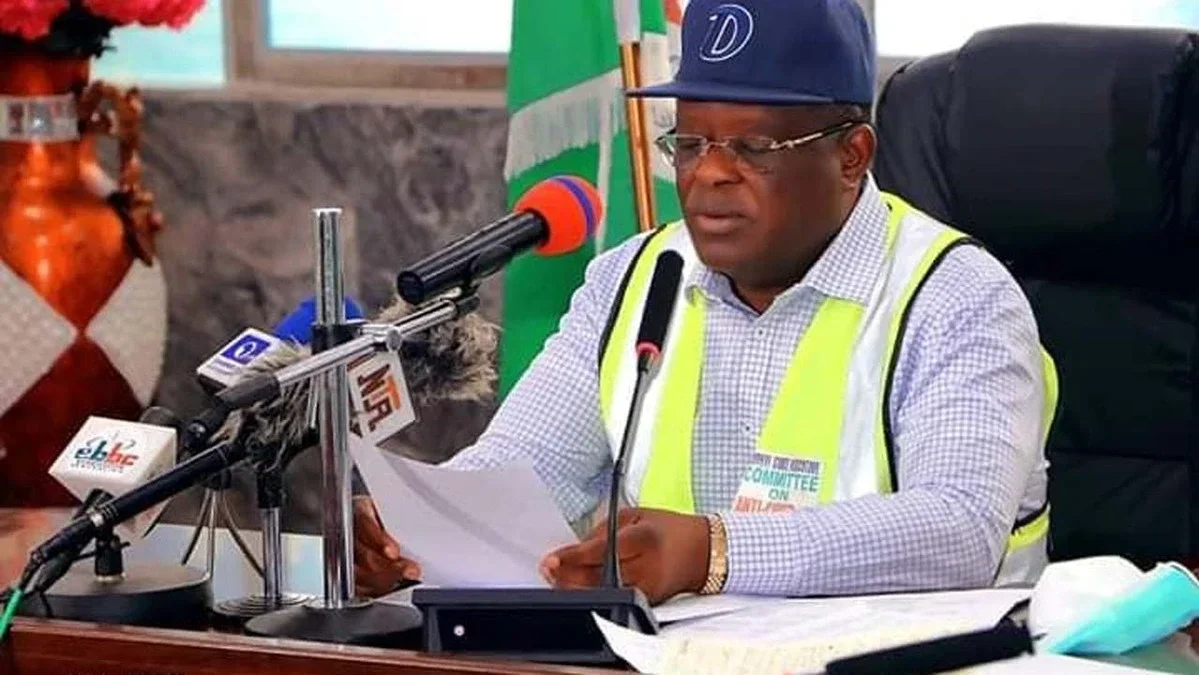
The Minister of Works, Dave Umahi, disclosed this during an inspection of the ongoing reconstruction of Carter and Iddo bridges in Lagos on August 24, 2026. The government has opted for full reconstruction of the ageing bridge after technical assessments found serious deterioration in its structural components.
/ You Might Also Like /




Underwater Inspection Reveals Structural Damage
According to Umahi, underwater investigations found that several piles supporting the bridge had detached from their pile caps.
The minister said the piles had also suffered extensive rust, while scouring and illegal sand mining contributed to the deterioration of the bridge’s foundations. He also pointed to prolonged inadequate maintenance as a major factor in the structure’s decline.
The findings followed previous structural investigations conducted in 2013 and 2019, alongside more recent assessments commissioned by the Federal Government.
The assessments led authorities to conclude that rehabilitation would not provide an adequate long-term solution and that complete reconstruction was necessary.
Government Accelerates Carter Bridge Reconstruction
The Federal Government has revised the completion timeline for the replacement project from 36 months to 24 months.
The decision reflects the strategic importance of Carter Bridge to Lagos’ transportation network. The existing bridge provides an important connection between Lagos Island and the mainland, making prolonged closure difficult for the city’s already congested road network.
The government plans to keep the existing bridge operational while construction proceeds in order to limit disruption to traffic.
Umahi said a complete closure would place additional pressure on alternative routes and create significant transportation difficulties across Lagos.
New Carter Bridge to Cost ₦548.98bn
The replacement project is estimated at ₦548.98 billion and will produce a new bridge measuring about 1.93 kilometres, longer than the existing 1.58-kilometre structure.
The redesigned structure will include additional ramps intended to improve traffic flow around the bridge approaches.
The design will also feature an elevated carriageway arrangement and a cable-stayed section to provide sufficient clearance for navigation. Two 105-metre navigational spans are planned as part of the new structure.
New Design Targets Longer Service Life
The Federal Government has incorporated additional engineering measures into the replacement project to improve the durability of the new bridge.
These measures include protection against erosion and scouring around the foundations. The government expects the new structure to have a significantly longer service life than the existing bridge.
The emphasis on foundation protection follows the findings that underwater deterioration, scouring and illegal sand mining contributed to the failure of the existing structure.
CCECC Begins Preliminary Works
China Civil Engineering Construction Corporation (CCECC), the contractor handling the reconstruction, has already commenced preliminary activities.
The contractor has completed about 15% of the preliminary works, including establishing the project yard and constructing access roads. Piling activities are expected to begin before the end of the week, according to the Works Minister.
The progress marks the transition from preparatory activities towards the main construction phase.
Illegal Sand Mining Raises Infrastructure Concerns
The Federal Government’s reference to illegal sand mining highlights the wider infrastructure risks associated with unregulated activities around waterways.
Sand mining can alter riverbeds and surrounding water conditions, potentially contributing to erosion and scouring around bridge foundations.
For Lagos, where several major roads and bridges cross waterways, effective monitoring of activities around infrastructure corridors remains important to protecting public assets.
The Carter Bridge findings also demonstrate that infrastructure deterioration can result from multiple factors operating over time, including age, environmental exposure, maintenance gaps and activities around the structure.
Bridge Reconstruction Has Wider Lagos Implications
The Carter Bridge project extends beyond replacing an ageing structure. Its completion could affect traffic movement, commercial activity and accessibility between different parts of Lagos.
Improved connectivity between Lagos Island and the mainland can support the movement of workers, businesses and goods while reducing pressure on alternative routes.
For the property market, transport infrastructure remains an important factor in determining the attractiveness of residential and commercial locations.
Improved bridge capacity and more efficient traffic movement can strengthen accessibility to surrounding areas, although the effect on property values will depend on broader infrastructure and development conditions.
Infrastructure Maintenance Remains Critical
The condition of Carter Bridge also highlights the financial and economic consequences of delayed infrastructure maintenance.
Major bridges represent substantial public investments, and prolonged deterioration can eventually require more expensive reconstruction rather than routine rehabilitation.
The Federal Government’s decision to rebuild Carter Bridge therefore places renewed attention on the importance of regular structural inspections, preventive maintenance and protection of infrastructure from environmental and human activities.
The ongoing intervention on the Third Mainland Bridge, which the government says is intended to extend its service life, forms part of the wider effort to preserve critical bridge infrastructure in Lagos.
Outlook
The Federal Government has begun the process of replacing Carter Bridge after technical assessments identified severe deterioration in its structural foundations.
With an estimated cost of ₦548.98 billion and a revised 24-month completion target, the project represents a major infrastructure investment in Lagos.
For the housing and property sectors, the project could improve connectivity between Lagos Island and the mainland while supporting economic activity around the wider transport corridor.
The reconstruction also reinforces the need for stronger infrastructure maintenance, tighter control of activities around waterways and regular structural assessments to protect critical public assets from avoidable deterioration.
READ MORE