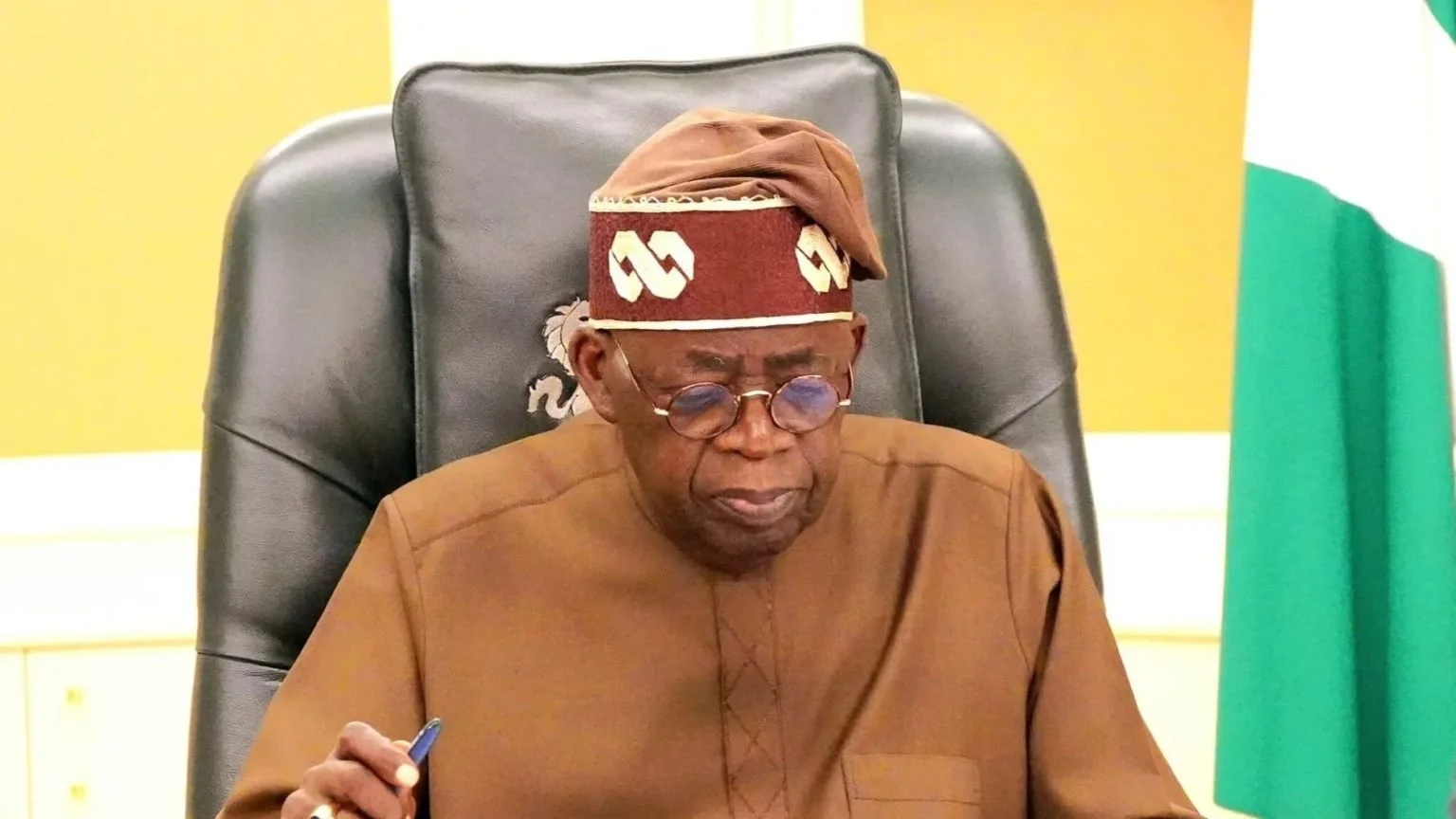
Stakeholders Push for Structured Urban Planning Under Tinubu’s Renewed Hope Agenda
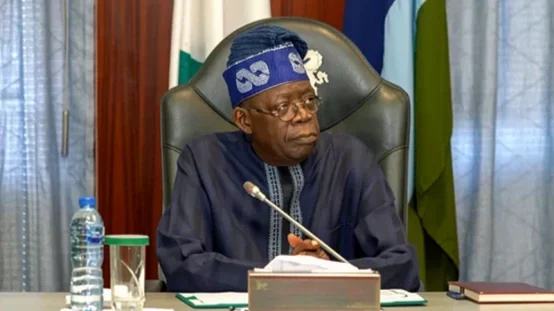
President Bola Hammed Tinubu
Stakeholders in Nigeria’s built environment sector have called on the Federal Government to integrate physical planning more comprehensively into the implementation framework of President Bola Ahmed Tinubu’s Renewed Hope Agenda, warning that weak urban planning systems could undermine long-term national development objectives.
/ You Might Also Like /




The concerns were raised during the maiden annual lecture of the Nathaniel Atebije Foundation for Planning Advocacy held in Abuja, where urban planners, policymakers, academics, and development professionals examined the role of physical planning in supporting infrastructure, housing, and economic growth strategies under the current administration.
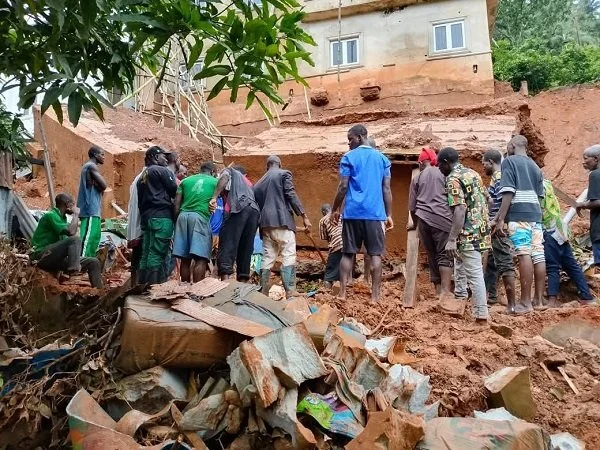
Participants argued that many development initiatives across Nigeria continue to suffer from poor spatial coordination, inconsistent implementation, and weak compliance with approved masterplans, resulting in congestion, environmental degradation, flooding, and the proliferation of informal settlements.
Stakeholders Warn Against Unstructured Urban Expansion
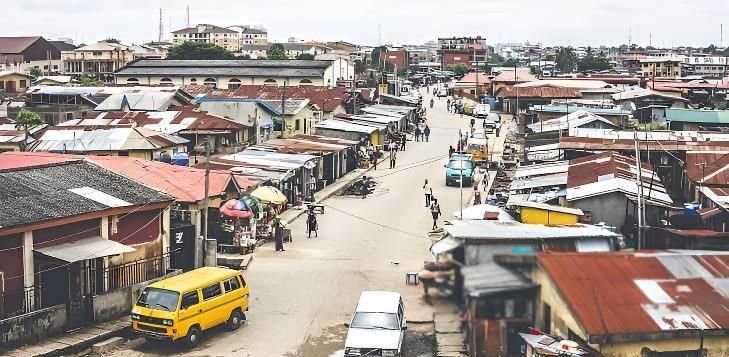
According to the communiqué issued after the event, Nigeria’s rapid urbanisation remains largely unregulated, with cities expanding without adequate planning controls or integrated infrastructure systems. Stakeholders described the situation as a major threat to sustainable development and efficient service delivery.
The communiqué stated that physical planning has historically been treated as a secondary policy concern despite its importance in shaping transportation networks, housing delivery, environmental management, and economic productivity.
Experts warned that infrastructure and housing projects under the Renewed Hope Agenda risk becoming fragmented interventions without long-term sustainability if they are not aligned with structured urban planning frameworks and approved development masterplans.
They further noted that reactive infrastructure development where authorities respond to congestion, flooding, or urban decay after problems emerge has contributed significantly to inefficiencies across Nigerian cities.
Renewed Hope Agenda Requires Spatial Coordination
Stakeholders urged the Federal Government to make physical planning a foundational component of national development policy, particularly as the administration accelerates investments in roads, housing, transportation, and urban renewal projects.
The Renewed Hope Agenda includes major housing and infrastructure initiatives aimed at improving economic growth, expanding affordable housing delivery, and modernising urban infrastructure across Nigeria. The Federal Ministry of Housing and Urban Development has identified housing delivery, urban regeneration, and sustainable city development as key pillars of the programme.
Under the initiative, the government is pursuing large-scale housing projects through Public-Private Partnerships (PPPs), mortgage expansion, urban renewal programmes, and slum upgrading frameworks designed to improve living conditions in rapidly growing urban centres.
However, urban planning professionals argued that without effective land use coordination and enforcement mechanisms, many of these projects could face implementation challenges, infrastructure strain, and sustainability concerns.
Government Acknowledges Planning Challenges
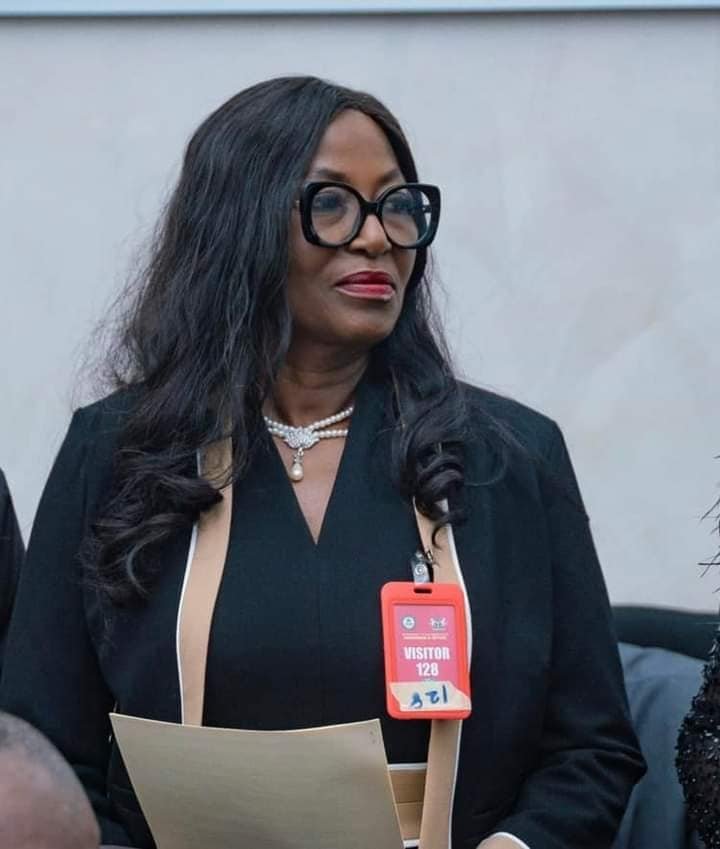
Speaking after the event, Minister of Budget and Economic Planning Senator Atiku Bagudu acknowledged the concerns raised by stakeholders and described physical planning as an ongoing national challenge requiring systemic policy coordination.
Bagudu reiterated the government’s commitment to improving development outcomes under the Renewed Hope Agenda and pledged collaboration with planning professionals and advocacy organisations to strengthen urban planning systems nationwide.
The Federal Government has recently intensified infrastructure investment under the Renewed Hope framework, including major road rehabilitation projects, urban housing developments, and regional infrastructure initiatives designed to stimulate economic activity and improve connectivity.
Analysts note that integrating physical planning into these investments could improve project coordination, reduce urban inefficiencies, and enhance long-term infrastructure resilience.
Housing and Urbanisation Pressures Continue to Rise
Nigeria continues to face mounting urbanisation pressures driven by population growth, rural-to-urban migration, and rising housing demand across major cities including Lagos, Abuja, Port Harcourt, Kano, and Ibadan.
According to urban development experts, inadequate planning systems have contributed to increasing traffic congestion, overstretched infrastructure, flood risks, informal settlement expansion, and environmental stress in several urban centres.
The Federal Ministry of Housing and Urban Development has repeatedly identified sustainable urbanisation as a strategic priority under the Renewed Hope Agenda, particularly through housing delivery programmes and slum upgrade initiatives.
Stakeholders at the Abuja event argued that effective physical planning could improve land use efficiency, strengthen transportation systems, support affordable housing delivery, and reduce infrastructure duplication.
Calls for Stronger Enforcement and Institutional Coordination
Participants also highlighted the need for stronger enforcement of planning regulations and improved institutional coordination among federal, state, and local governments.
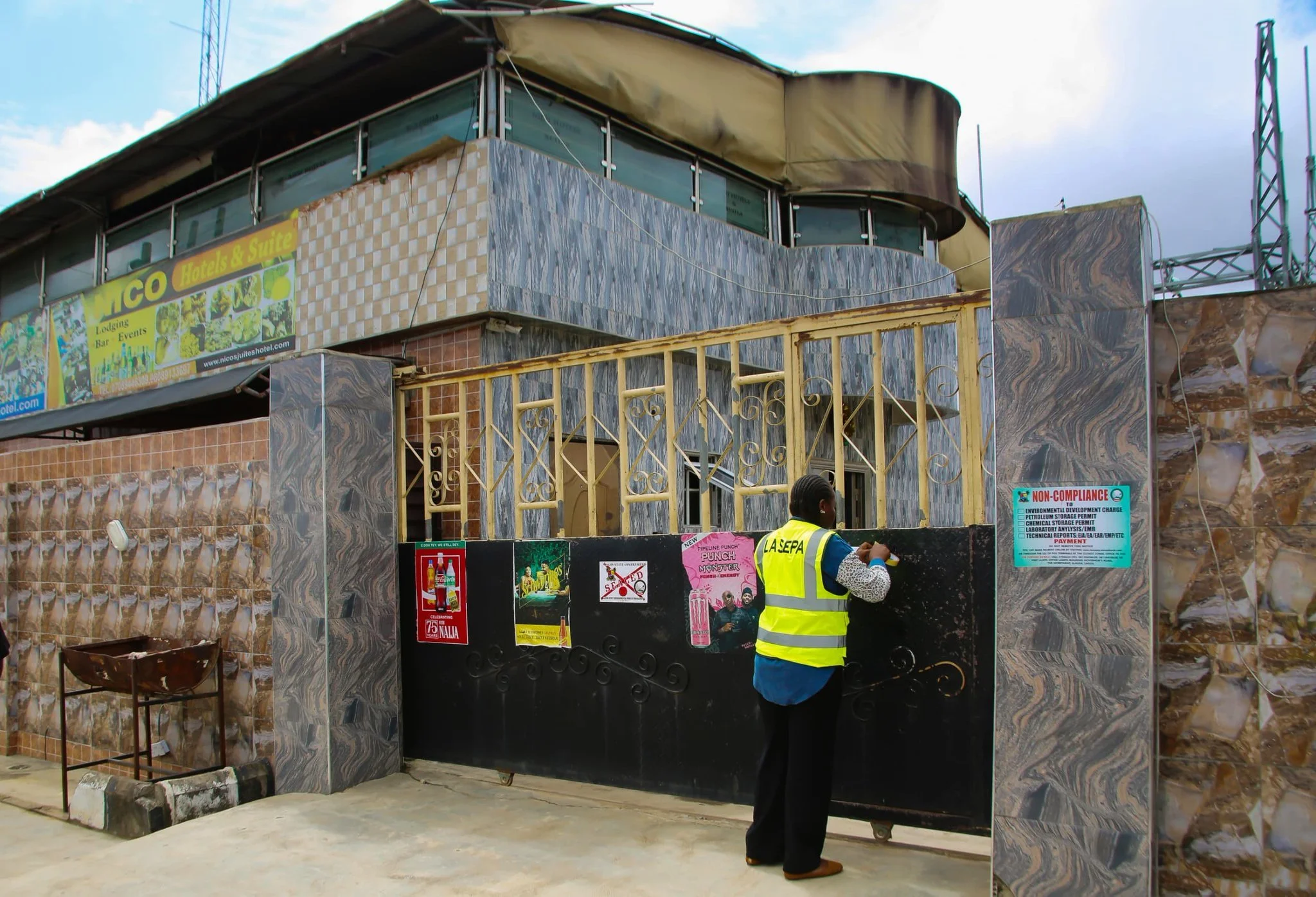
According to planning professionals, many approved masterplans across Nigerian cities are either weakly enforced or frequently altered, resulting in inconsistent urban growth patterns and pressure on public infrastructure.
Experts recommended the adoption of long-term spatial development frameworks capable of integrating housing, transportation, environmental sustainability, industrial development, and public utilities into coordinated urban systems.
They also called for increased investment in digital planning systems, geospatial data infrastructure, and planning institutions to improve monitoring and implementation capacity.
Implications for Investors and Infrastructure Delivery
Analysts argue that stronger physical planning frameworks could significantly improve investor confidence within Nigeria’s housing and infrastructure sectors.
Clear land use systems, predictable urban expansion patterns, and integrated infrastructure planning are widely regarded as essential components of sustainable real estate development and long-term infrastructure financing.
Investors and developers have increasingly cited inconsistent planning regulations, land administration challenges, and infrastructure gaps as major constraints affecting project delivery across Nigerian cities.
Urban planners believe that integrating physical planning into the Renewed Hope Agenda could help improve project efficiency, reduce development risks, and support more sustainable economic growth.
The call by stakeholders for the integration of physical planning into the Renewed Hope Agenda reflects growing concern over the long-term sustainability of Nigeria’s infrastructure and urban development strategy.
As the Federal Government accelerates housing delivery, transportation expansion, and urban renewal projects, experts argue that stronger spatial planning systems will be critical to ensuring coordinated growth, environmental resilience, and efficient infrastructure management.
The discussions also highlight the increasing recognition that physical planning is not merely a technical exercise but a strategic component of economic development, housing policy, and sustainable urban transformation in Nigeria.
READ MORE