Tinubu: Fragmented Tax System Contributed to Poverty in Nigeria
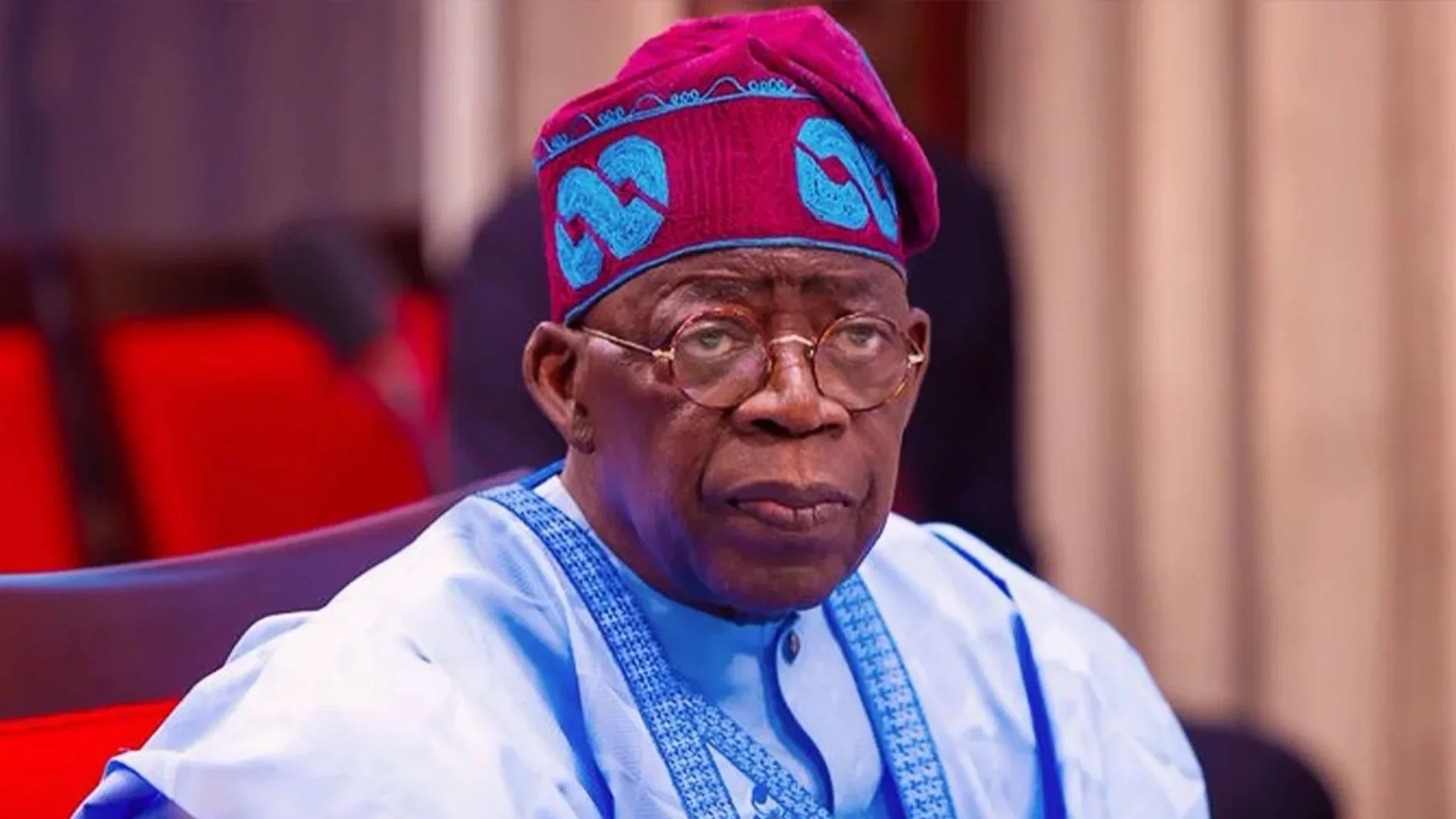
President Tinubu Links Old Tax Framework to Economic Decline
President Bola Ahmed Tinubu has stated that Nigeria’s outdated tax laws significantly contributed to widespread economic hardship, arguing that inefficiencies embedded in the legacy system weakened national prosperity. He made the remarks during the commissioning of a new revenue service headquarters in Abuja, as part of ongoing efforts to reform the country’s fiscal framework.
/ You Might Also Like /




Tinubu’s Position on Legacy Tax Framework
Tinubu attributed Nigeria’s economic challenges partly to colonial-era tax structures, which he said created fragmentation, inconsistencies, and multiple layers of taxation. According to him, these structural weaknesses reduced efficiency in revenue collection and limited the government’s ability to drive inclusive economic growth.
He emphasised that the outdated framework failed to support modern economic realities, leaving businesses and individuals operating within a system that discouraged productivity and investment.
Push for Comprehensive Tax Reform
The president highlighted ongoing reforms aimed at replacing the legacy tax system with a more streamlined and transparent structure. These reforms focus on harmonising tax laws, improving compliance, and expanding the revenue base without overburdening low-income earners.
Tinubu stated that the new system is designed to create opportunities, improve fairness, and stimulate economic activity, positioning taxation as a tool for development rather than a constraint.
Institutional Backing and Policy Direction
The reform agenda is being driven in part by the Presidential Committee on Fiscal Policy and Tax Reforms, led by Taiwo Oyedele. The committee has proposed measures to simplify tax administration, reduce duplication, and enhance coordination across federal and subnational levels.
Nigeria’s low tax-to-GDP ratio among the lowest globally has long constrained public finances, forcing reliance on borrowing to fund government expenditure. Recent reforms aim to address this structural gap while improving efficiency and transparency in revenue collection.
Economic Implications
Improving Revenue Efficiency
A reformed tax system is expected to enhance government revenue without increasing tax rates excessively. By broadening the tax base and reducing leakages, authorities aim to generate sustainable funding for infrastructure and public services.
Supporting Investment Climate
Simplified and predictable tax policies are critical to attracting domestic and foreign investment. Analysts note that reducing regulatory complexity can improve ease of doing business and support private sector growth.
Addressing Poverty and Inequality
Tinubu linked tax reform directly to poverty reduction, arguing that a more equitable system can redistribute resources more effectively and support social development programmes.
Ongoing Debate and Challenges
Despite the government’s position, tax reforms in Nigeria remain subject to debate. Critics have raised concerns about implementation risks, potential increases in the cost of living, and the need for stronger accountability in public spending.
There are also concerns about public trust, particularly given historical inefficiencies in tax administration and service delivery.
President Tinubu’s assertion that outdated tax laws contributed to poverty underscores the urgency of Nigeria’s fiscal reform agenda. While the new framework aims to improve efficiency, transparency, and economic outcomes, its success will depend on effective implementation and public confidence.
For investors, policymakers, and businesses, the evolving tax landscape represents both a structural shift and a critical determinant of Nigeria’s long-term economic trajectory.
READ MORE