Edun Warns Against Subsidy Return Amid Global Economic Shocks
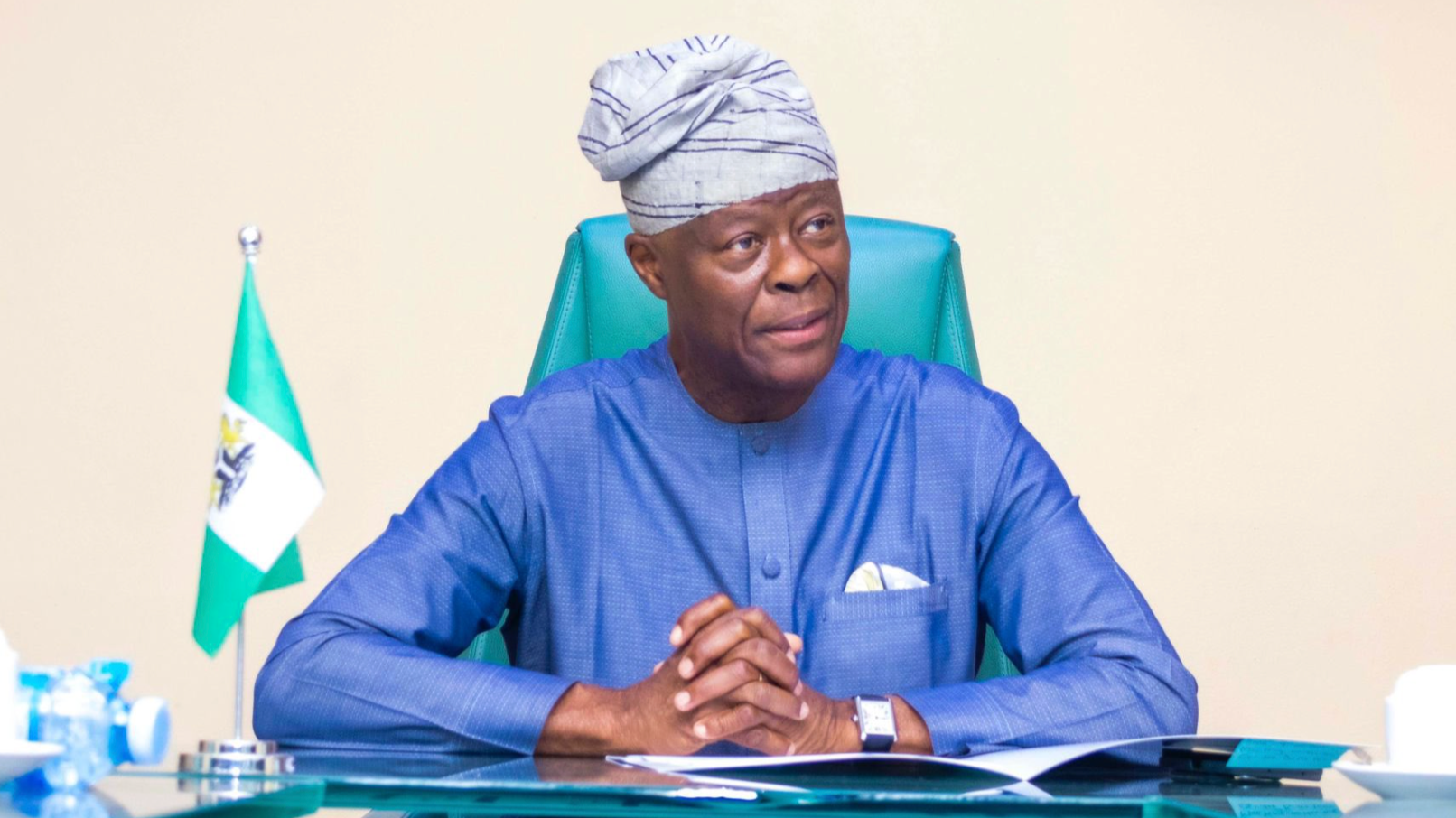
Wale Edun, Minister of Finance
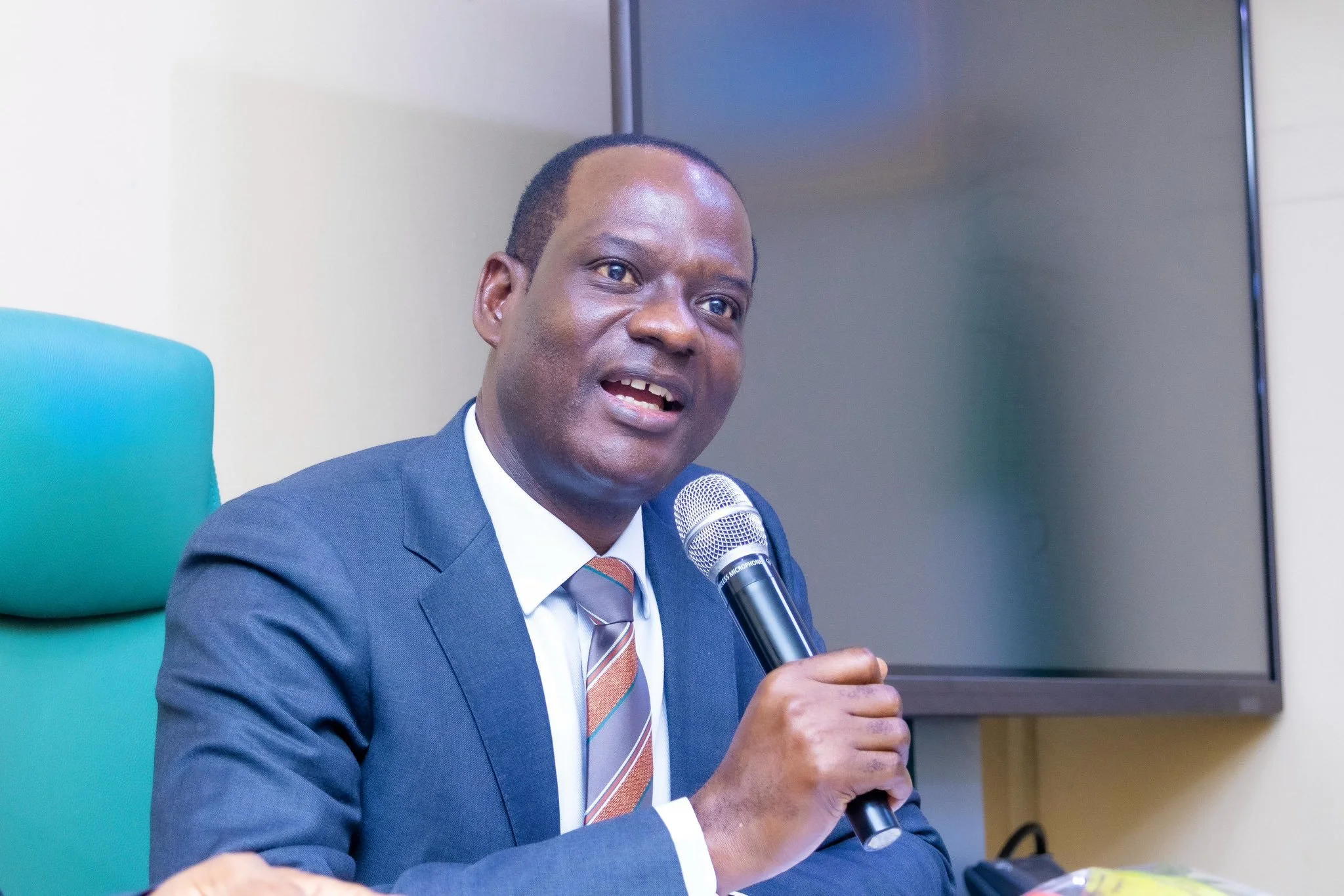
Nigeria’s Minister of Finance and Coordinating Minister of the Economy, Wale Edun, has warned against a return to subsidy regimes despite mounting global economic shocks, emphasising the need to sustain ongoing reforms. Speaking at the IMF and World Bank Spring Meetings, Edun also called for cheaper financing options to ease the growing debt burden on developing economies
/ You Might Also Like /




Warning Against Policy Reversal
Edun cautioned policymakers against reversing reforms, particularly the removal of fuel subsidies, which he described as ineffective and unsustainable. He stressed that returning to broad-based subsidies would undermine progress already achieved in stabilising Nigeria’s economy.
Instead, he advocated targeted interventions aimed at supporting vulnerable populations, noting that limited fiscal resources should be directed toward those most affected by rising costs rather than reinstating blanket subsidies.
Global Economic Pressures and Policy Balance
Addressing global economic conditions, Edun highlighted the challenges posed by rising inflation, geopolitical tensions, and energy price volatility. He noted that central banks face a delicate balancing act between controlling inflation and sustaining economic growth.
He warned that overly aggressive interest rate hikes could stifle economic transformation, while delayed policy responses could exacerbate inflationary pressures. This dynamic, he said, complicates economic management for both advanced and developing economies.
Rising Debt Burden in Developing Economies
A central concern raised by Edun is the increasing cost of borrowing for developing countries. He revealed that many nations are now spending more on debt servicing than they receive in external financial support, creating net resource outflows.
High global interest rates have intensified this trend, limiting fiscal space and constraining the ability of governments to invest in infrastructure and social development.
Call for Cheaper and Concessional Financing
Edun urged multilateral institutions to provide more affordable financing solutions, including concessional loans and liquidity support. He emphasised that access to cheaper capital is critical for enabling developing economies to navigate current global uncertainties.
He also called for stronger international cooperation, arguing that global financial institutions must play a more active role in supporting reform-oriented economies.
Domestic Resource Mobilisation as Long-Term Strategy
While advocating external support, Edun stressed that sustainable economic resilience must be driven by domestic efforts. He highlighted the importance of strengthening tax systems, improving revenue collection, and reducing reliance on external borrowing.
This aligns with Nigeria’s broader fiscal strategy, which prioritises revenue mobilisation, structural reforms, and private sector-led growth.
Implications for Nigeria’s Reform Agenda
Sustaining Fiscal Reforms
Edun’s remarks reinforce the government’s commitment to maintaining key reforms, including subsidy removal and exchange rate adjustments. Policy consistency remains critical to preserving investor confidence and macroeconomic stability.
Managing Social Impact
The shift away from subsidies continues to have social implications, particularly in the context of rising living costs. Targeted support mechanisms will be essential to mitigate the impact on low-income households.
Strengthening Financial Resilience
Access to cheaper financing and improved domestic revenue generation will be key to managing Nigeria’s fiscal position and reducing vulnerability to external shocks.
Edun’s warning against a return to subsidy regimes underscores the government’s resolve to stay the course on economic reforms despite global uncertainties. By prioritising targeted support, fiscal discipline, and access to affordable financing, Nigeria aims to navigate current challenges while laying the foundation for sustainable growth.
For investors and policymakers, the message is clear: policy consistency and financial resilience will remain central to Nigeria’s economic strategy in an increasingly volatile global environment.
READ MORE