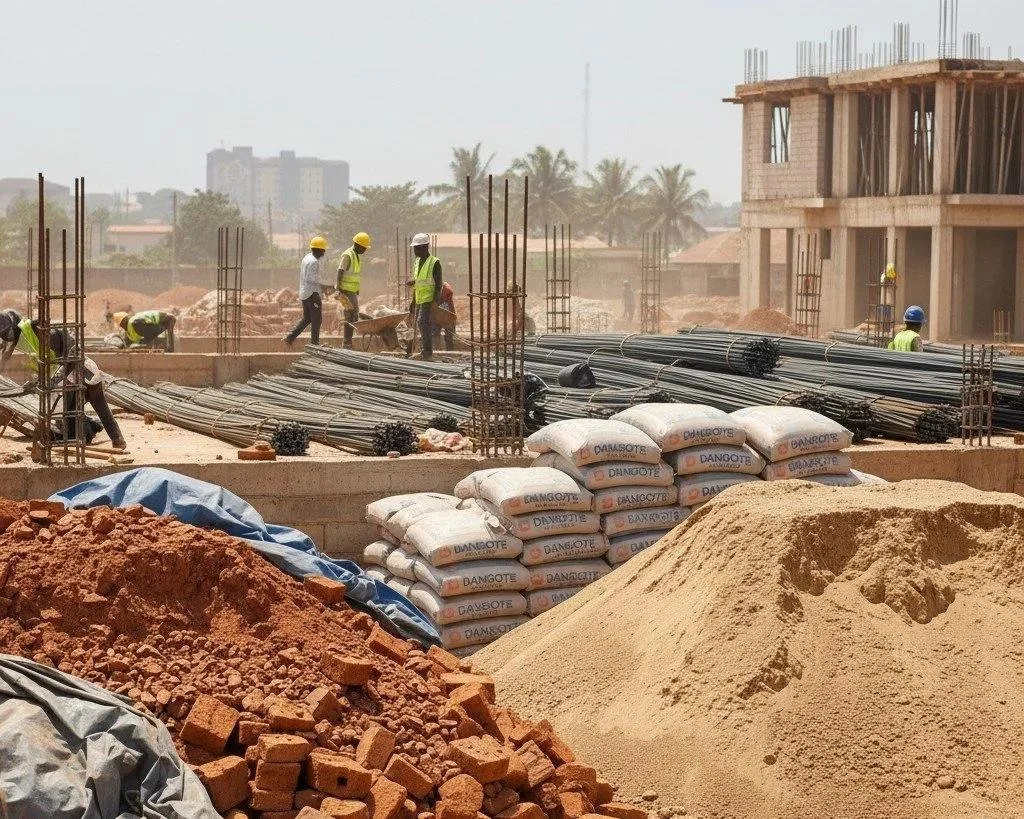
Major Road and Bridge Projects Highlight Tinubu’s Development Agenda in Ebonyi
In Ebonyi, Tinubu’s Infrastructure Agenda Drives Push for National Renewal
A series of ongoing federal infrastructure projects in Ebonyi State is emerging as a major showcase of President Bola Tinubu’s Renewed Hope Agenda, with government officials arguing that improved road connectivity and transport infrastructure will stimulate economic growth, strengthen regional integration and accelerate national development. The projects, which include highways, bridges and flyovers, have become focal points in the administration’s broader strategy to modernise Nigeria’s infrastructure network and improve access to markets across the country.
/ You Might Also Like /


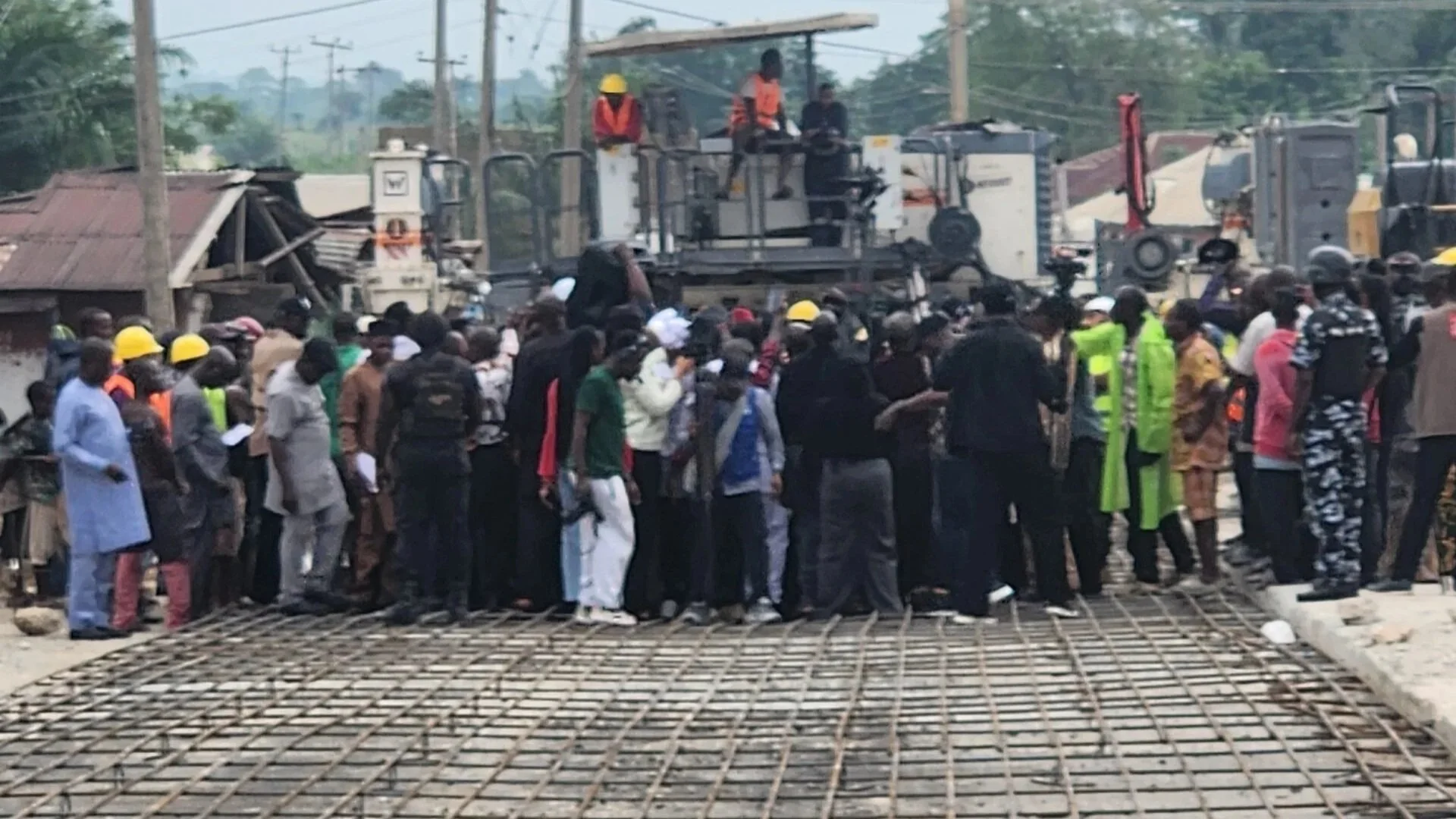
The developments came into focus during a media inspection tour of federal projects in Ebonyi, where the Minister of Works, Dave Umahi, highlighted several ongoing projects that he described as transformational investments for the South-East and Nigeria as a whole. According to the minister, many of the projects had been conceived decades ago but remained unrealised until recent federal interventions.
Calabar-Ebonyi-Benue Highway Takes Centre Stage
Among the flagship projects is the Calabar-Ebonyi-Benue Trans-Saharan Superhighway, which the Federal Government considers a strategic transport corridor linking the South-East, South-South and parts of the North-Central region. According to Umahi, the highway is designed to facilitate the movement of agricultural produce, improve interstate trade and strengthen economic linkages between key production centres.
The minister disclosed that the first section of the project, spanning approximately 123.6 kilometres, is progressing under an estimated ₦45 billion contract. He added that the second section, extending through Benue and Kogi states towards Nasarawa, has also been awarded and is advancing in several locations.
Officials believe the highway will serve as a major economic corridor capable of improving market access for agricultural products such as cassava, yam, cashew and palm oil while enhancing regional trade connectivity.
Road Infrastructure Seen as Catalyst for Growth
Infrastructure remains a central component of the Tinubu administration’s economic strategy, with roads viewed as critical enablers of commerce, investment and industrial development. Government officials argue that improved transportation networks reduce logistics costs, increase productivity and attract private-sector investment to underserved regions.
According to Umahi, the adoption of concrete road technology has allowed several projects to continue despite seasonal weather challenges, helping contractors maintain construction activities during the rainy season. The ministry believes this approach will improve the durability of roads while reducing long-term maintenance costs.
Bridge and Flyover Projects Advance
Beyond the superhighway project, federal authorities are also overseeing the construction of other strategic infrastructure assets across Ebonyi State.
One of the notable projects is the 1.3-kilometre Ndi-Egbe Bridge in Afikpo Local Government Area, which will connect communities in Ebonyi and Cross River states. The bridge is expected to strengthen regional mobility, improve access to economic opportunities and support trade between neighbouring states.
The inspection team also reviewed progress on the Onueke Flyover project in Ebonyi Central Senatorial District. Valued at approximately ₦35 billion, the project is designed to ease traffic congestion, improve road safety and enhance transportation efficiency along one of the state's key corridors.
In addition, officials inspected completed concrete-pavement roads linking communities in Ebonyi and Cross River states, further expanding regional connectivity and supporting local economic activities.
Ebonyi Government Highlights Complementary Investments
Governor Francis Nwifuru of Ebonyi State said the federal projects complement the state government's own infrastructure programme, which includes investments in roads, healthcare facilities, water schemes and other public infrastructure.
According to the governor, development projects are ongoing across all local government areas of the state, with contractors engaged on multiple initiatives aimed at improving living standards and expanding access to essential services. He noted that infrastructure remains a key driver of economic development and social progress.
The governor also commended the Federal Government's focus on the South-East, describing ongoing projects as important contributors to regional development and national integration.
Infrastructure and Economic Development
Economists and development experts have long identified infrastructure investment as a prerequisite for sustained economic growth. Improved transportation networks can lower the cost of moving goods and services, facilitate access to markets and support industrial expansion.
The Federal Government's emphasis on highways, bridges and transport corridors aligns with broader efforts to improve Nigeria's competitiveness, unlock regional economic potential and strengthen domestic trade. Supporters of the infrastructure agenda argue that these projects will deliver long-term economic benefits by enhancing productivity and encouraging investment across multiple sectors.
Conclusion
The ongoing infrastructure projects in Ebonyi State illustrate the Tinubu administration’s broader ambition to use transportation and public works as tools for economic transformation and national renewal. From the Calabar-Ebonyi-Benue Trans-Saharan Superhighway to strategic bridges and flyovers, the projects are expected to improve connectivity, facilitate trade and support regional development. As construction progresses, policymakers and investors will be watching closely to assess the long-term economic impact of these investments on Ebonyi, the South-East and Nigeria as a whole.
READ MORE