Electricity Disruptions Loom as Three States Face Extended Blackout
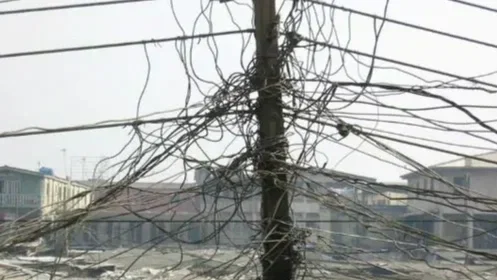
Power Supply to Be Disrupted for Weeks in Affected Nigerian States
Electricity consumers in three Nigerian states are set to experience a prolonged blackout lasting up to one month, following a planned maintenance and upgrade of critical transmission infrastructure. The outage forms part of ongoing efforts to modernise the national grid and improve long-term electricity reliability.
/ You Might Also Like /




Planned Maintenance Driving Outage
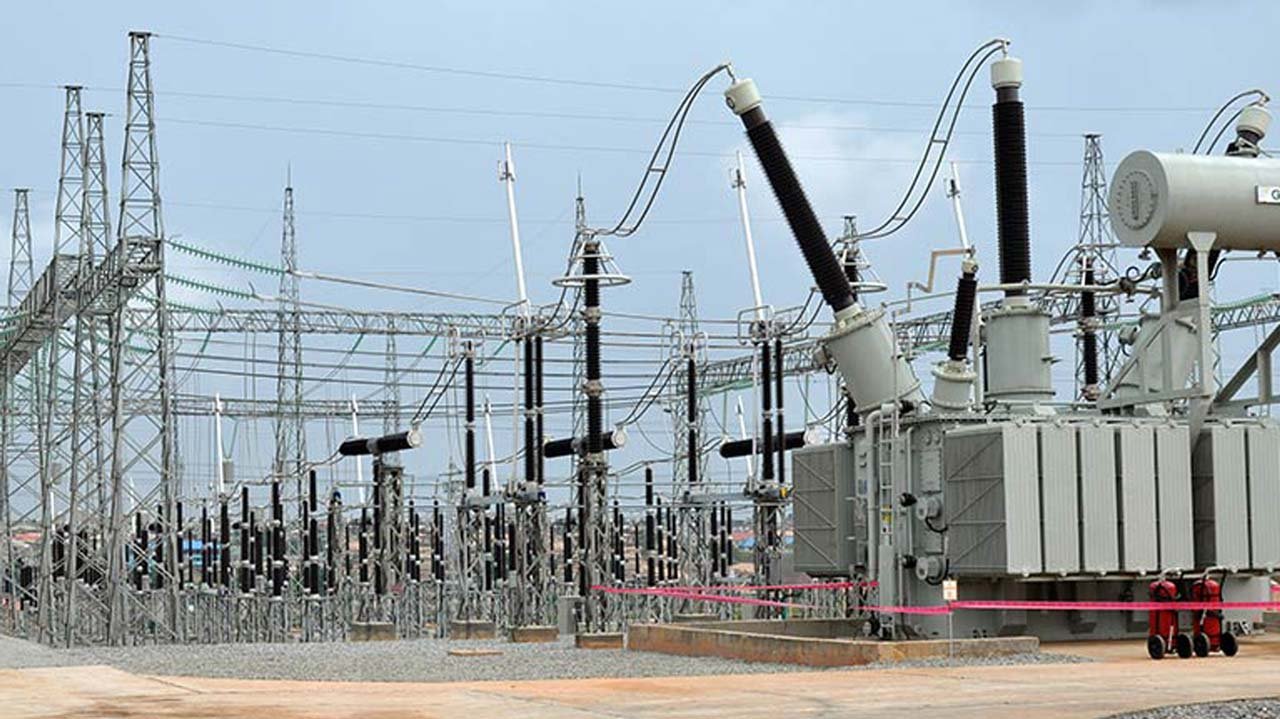
According to industry updates, the blackout is linked to scheduled work on key transmission lines, which will require temporary shutdowns to allow engineers to carry out upgrades safely. Such maintenance activities are typically necessary to enhance grid stability, reduce system losses, and improve power distribution efficiency.
Similar recent notices from power authorities indicate that outages tied to transmission upgrades can last several weeks, depending on the scope of work and infrastructure involved.
Broader Pattern of Power Disruptions
The development aligns with a broader trend of planned outages across Nigeria’s power sector as authorities implement long-overdue infrastructure improvements. In some regions, multi-week disruptions have already been recorded due to ongoing upgrades to transmission corridors.
For instance, recent grid modernisation efforts on the Jos–Gombe transmission line have resulted in extended outages affecting multiple northern states, with disruptions scheduled over several weeks to enable installation of fibre-optic infrastructure and system upgrades.
Impact on Households and Businesses
Extended power outages are expected to significantly affect households, small businesses, and industrial operations in the affected states.
For households, the blackout will disrupt daily activities and increase reliance on alternative energy sources such as generators and solar systems. For businesses, especially small and medium-sized enterprises, the outage may lead to higher operating costs, reduced productivity, and potential revenue losses.
Critical services including healthcare facilities and public institutions may also face operational challenges, particularly in areas with limited backup power infrastructure.
Infrastructure Deficit and Transition Challenges
Nigeria’s power sector continues to grapple with ageing infrastructure, limited transmission capacity, and operational inefficiencies. While upgrades are necessary to improve long-term performance, they often come with short-term disruptions that affect end users.
Experts note that the recurring pattern of outages during maintenance highlights the need for greater redundancy in the grid, allowing upgrades to occur without widespread service interruptions.
Policy and Investment Implications
For policymakers, the blackout underscores the urgency of accelerating investment in transmission infrastructure and improving coordination across the power value chain. Enhancing grid resilience will require not only upgrades but also expansion of capacity to meet growing demand.
For investors, the situation reflects both risk and opportunity. While operational disruptions remain a concern, ongoing reforms and infrastructure projects signal long-term potential in Nigeria’s energy sector.
The planned one-month blackout across three Nigerian states highlights the trade-off between infrastructure upgrades and short-term service disruptions. While the maintenance work is critical to improving grid performance, its impact on households and businesses underscores the need for more resilient and flexible power systems.
Sustained investment, better planning, and improved infrastructure redundancy will be essential to ensuring that future upgrades can be implemented with minimal disruption to economic activity.
READ MORE