Oil Sector Contributes 3.92% to Nigeria’s GDP in Q1 2026

Oil Sector Growth Improves but Contribution to GDP Remains Below 4%
Nigeria’s oil sector contributed 3.92% to the country’s real Gross Domestic Product (GDP) in the first quarter of 2026, according to the latest economic data released by the National Bureau of Statistics (NBS). The figure represents a slight decline from the 3.97% recorded in the corresponding period of 2025, despite stronger year-on-year growth within the sector itself.
The data highlights the continuing dominance of Nigeria’s non-oil economy, which accounted for 96.08% of total real GDP during the quarter. Agriculture, telecommunications, trade, construction, financial services, and manufacturing remained the major drivers of economic activity as the country sustained broader diversification efforts.
/ You Might Also Like /



Nigeria’s Economy Expands by 3.89%
According to the NBS report, Nigeria’s economy grew by 3.89% year-on-year in real terms during Q1 2026, improving from the 3.13% growth rate recorded in the same period of 2025. Aggregate nominal GDP also rose significantly to ₦110.79 trillion from ₦94.05 trillion a year earlier, representing nominal growth of 17.79%.
The growth was largely supported by stronger performance in agriculture, services, and selected industrial activities. The services sector remained the largest contributor to GDP, accounting for 57.73% of total economic output during the quarter.
Agriculture also recorded notable recovery, posting 3.15% real growth compared to just 0.07% in Q1 2025. Analysts say the rebound reflects improved crop production and relative stability across parts of the agricultural value chain.
Oil Sector Records Moderate Growth Despite Lower Production
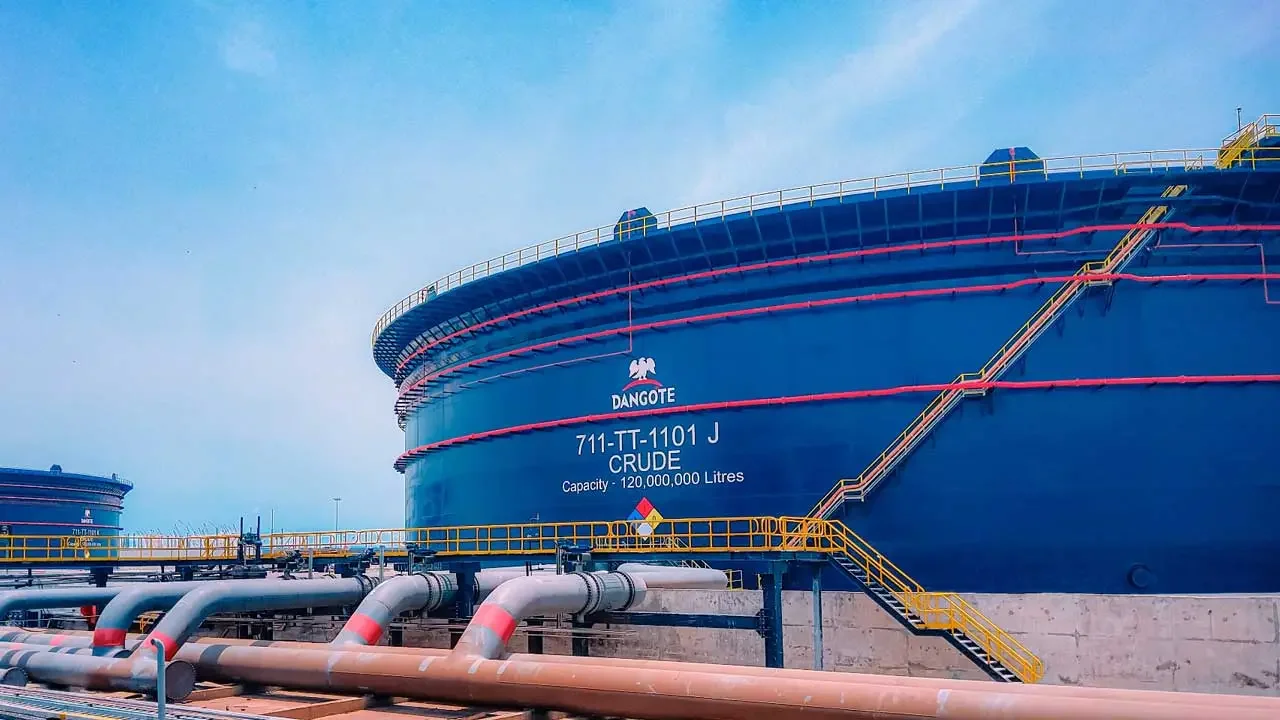
Although the oil sector’s share of GDP declined marginally, the sector itself recorded stronger growth compared with the previous year. The NBS reported that the oil sector expanded by 2.57% year-on-year in real terms during Q1 2026, higher than the 1.87% growth recorded in the corresponding quarter of 2025.
Quarter-on-quarter, the oil sector posted growth of 9.31%, indicating improved operational activity relative to the final quarter of 2025.
However, average daily crude oil production declined to 1.55 million barrels per day (mbpd), lower than the 1.62 mbpd recorded in Q1 2025 and slightly below the 1.58 mbpd achieved in Q4 2025.
The weaker production levels underscore continuing challenges within Nigeria’s petroleum industry, including pipeline vandalism, crude theft, underinvestment in upstream infrastructure, and fluctuating global energy market conditions.
Non-Oil Sector Continues to Drive Economic Expansion
The latest figures reinforce Nigeria’s gradual economic shift away from excessive dependence on crude oil revenues. While oil remains the country’s largest export earner and a major source of foreign exchange, its direct contribution to GDP has continued to shrink relative to the broader economy.
The non-oil sector expanded by 3.94% in Q1 2026, driven primarily by telecommunications, crop production, financial services, manufacturing, construction, transportation, and trade activities.
Construction activity was particularly strong, growing by 6.38% in real terms during the quarter, while the industrial sector overall recorded growth of 3.50%.
Analysts note that continued expansion in non-oil industries may help reduce Nigeria’s vulnerability to fluctuations in global crude oil prices, although oil exports still remain central to fiscal revenues and foreign exchange earnings.
Global Economic Pressures Remain a Concern
The latest GDP figures come amid increasing concerns about the global economic environment and its potential impact on oil-dependent economies. Rising geopolitical tensions in the Middle East, energy market volatility, and weaker global growth projections continue to shape investor sentiment around emerging markets.
Earlier in April 2026, the International Monetary Fund (IMF) revised Nigeria’s economic growth forecast downward to 4.1% from an earlier estimate of 4.4%, citing both domestic and international risks.
At the same time, global institutions including the World Bank and PwC have maintained relatively positive medium-term projections for Nigeria, supported by expected improvements in oil production, ongoing reforms, and expanding non-oil activities.
Implications for Nigeria’s Economic Outlook
The Q1 2026 GDP data highlights a mixed but generally positive picture for Nigeria’s economy. While the oil sector continues to face production constraints and contributes less than 4% to real GDP, broader economic diversification appears to be gaining traction across agriculture, services, and industrial activities.
However, economists caution that sustaining long-term growth will require deeper structural reforms involving energy infrastructure, foreign exchange stability, industrial productivity, security, and investment climate improvements.
The figures also reinforce the importance of non-oil sectors in driving employment and domestic economic activity at a time when oil’s direct contribution to GDP continues to moderate.
As Nigeria pursues fiscal reforms and economic diversification strategies, the balance between strengthening oil revenues and expanding non-oil growth will likely remain central to the country’s medium-term development agenda.
READ MORE