PAC Research: Nigeria’s Housing Gap Could Unlock Trillions in Real Estate Value
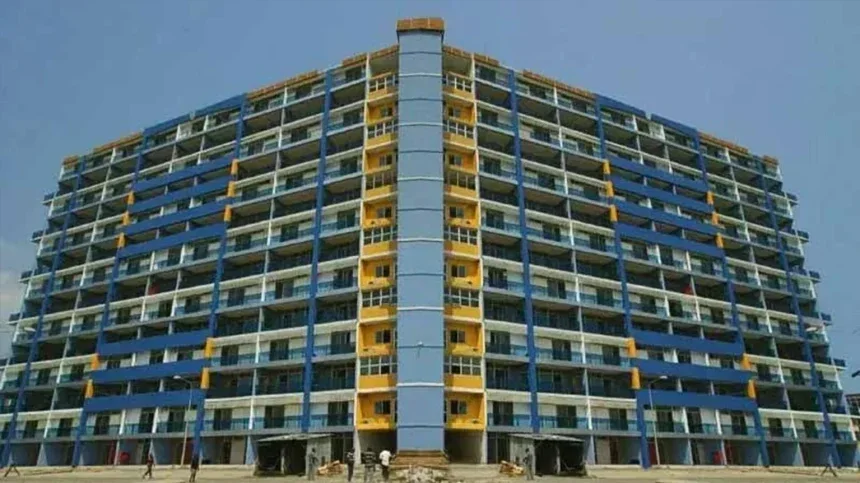
PAC Research Calls Nigeria’s Housing Gap a Long-Term Investment Opportunity
Nigeria’s widening housing deficit has been repositioned as a major long-term investment opportunity, with new analysis from PAC Research estimating that the country’s unmet housing demand could translate into a multi-trillion-naira real estate market.
The findings, presented in Lagos, highlight structural gaps in Nigeria’s housing supply driven by rapid urbanisation, population growth, and limited access to affordable housing finance. The report frames the shortage not only as a development challenge but also as a significant commercial opportunity for developers, institutional investors, and financiers targeting emerging markets.
/ You Might Also Like /




Housing deficit exceeds 28 million units
According to data highlighted in the PAC Research publications, Nigeria faces a housing shortfall of more than 28 million units, making it one of the largest housing gaps globally. Lagos alone accounts for an estimated deficit of about 3.4 million units, reflecting intense pressure on urban infrastructure and residential supply chains.
The report, titled From Shortage to Opportunity: Unlocking the Billion-Dollar Housing Market, alongside the Lagos Housing Report: A Treasure Trove of Possibilities, provides a detailed assessment of demand trends, supply constraints, and financing limitations across the country’s real estate ecosystem.
Urbanisation and population growth driving demand
A key driver of Nigeria’s housing deficit is rapid urbanisation, particularly in major commercial centres such as Lagos. The city continues to attract hundreds of thousands of new residents annually, intensifying pressure on already insufficient housing stock.
Analysts note that Nigeria requires hundreds of thousands of new housing units each year simply to keep pace with demographic growth and internal migration patterns. This sustained demand creates a structural imbalance that continues to widen the supply gap.
Housing gap reframed as investment opportunity
PAC Research positions the housing deficit as a “supply-demand imbalance with high investment potential,” arguing that the scale of unmet demand creates a long-term pipeline for residential development, mortgage financing, and infrastructure-linked real estate projects.
The reports suggest that Nigeria’s housing market could be valued in trillions of naira when the full extent of unmet demand is translated into replacement cost and development potential. This framing has increasingly attracted attention from developers seeking exposure to high-growth emerging markets.
Financing constraints remain a key barrier
Despite the opportunity highlighted by the deficit, structural challenges continue to constrain delivery. Limited mortgage penetration, high construction costs, and restricted access to long-term financing remain major bottlenecks for large-scale housing development.
Industry stakeholders argue that without significant reforms in housing finance systems and land administration processes, the gap between demand and supply will persist, even as investment interest grows.
Policy and investment implications
The scale of Nigeria’s housing deficit places significant pressure on policymakers to accelerate housing delivery through public-private partnerships, mortgage system reforms, and infrastructure expansion.
At the same time, the sector presents a long-term opportunity for institutional investors willing to engage in large-scale residential development, affordable housing schemes, and urban regeneration projects.
Conclusion
PAC Research’s findings reinforce a growing consensus within Nigeria’s real estate sector: the housing deficit, while a critical socio-economic challenge, also represents one of the country’s largest untapped investment opportunities.
However, converting this potential into actual housing delivery will depend on structural reforms, financing accessibility, and sustained investment in urban infrastructure capable of supporting large-scale development.
READ MORE