Lagos Redevelopment Drive Gains Momentum as Population Pressure Intensifies

Experts Warn Lagos Faces Mounting Urban Pressure Without Redevelopment Strategy
Real estate stakeholders have renewed calls for accelerated urban redevelopment across Lagos State as mounting population growth, housing demand, and infrastructure pressure continue to reshape Nigeria’s commercial capital.
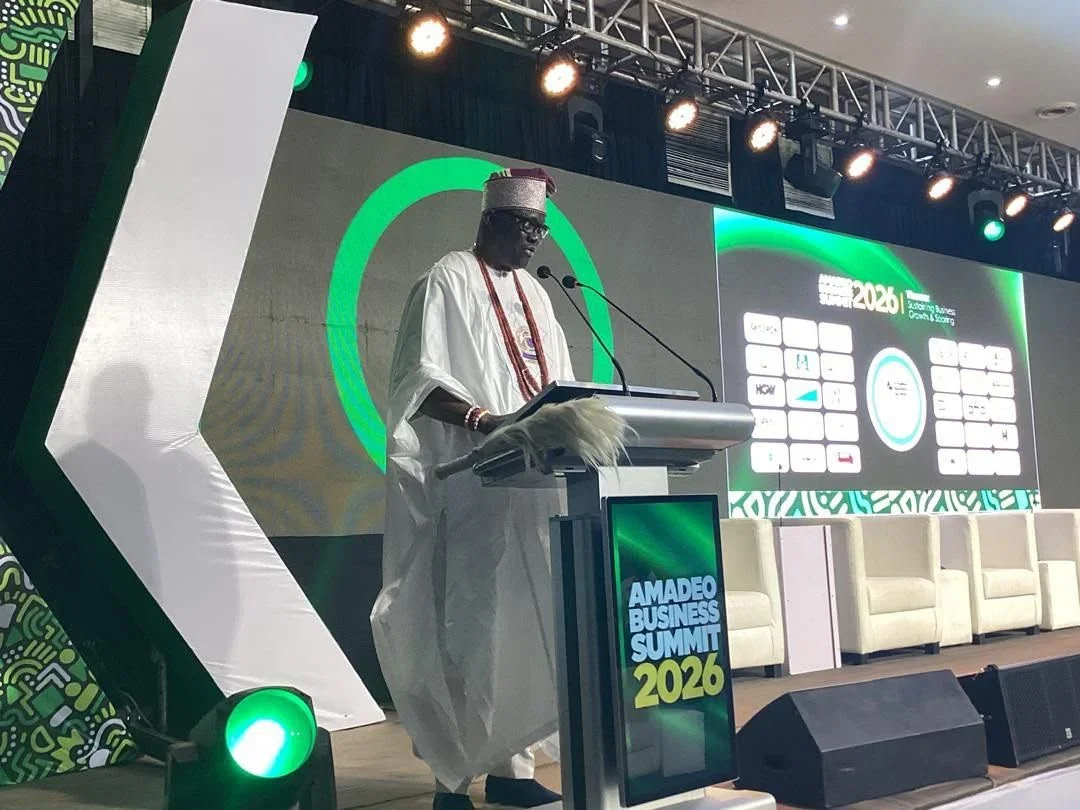
The discussions emerged during a real estate forum organised by Exclusive Estate in partnership with BusinessDay in Lagos, where developers, urban planners, academics, and property investors examined redevelopment opportunities within Lagos Mainland and the wider implications of rapid urbanisation.
/ You Might Also Like /



Participants warned that without coordinated urban renewal policies, Lagos could face worsening housing shortages, traffic congestion, infrastructure strain, and unregulated expansion over the coming decades.
Lagos Mainland Increasingly Attractive for Redevelopment
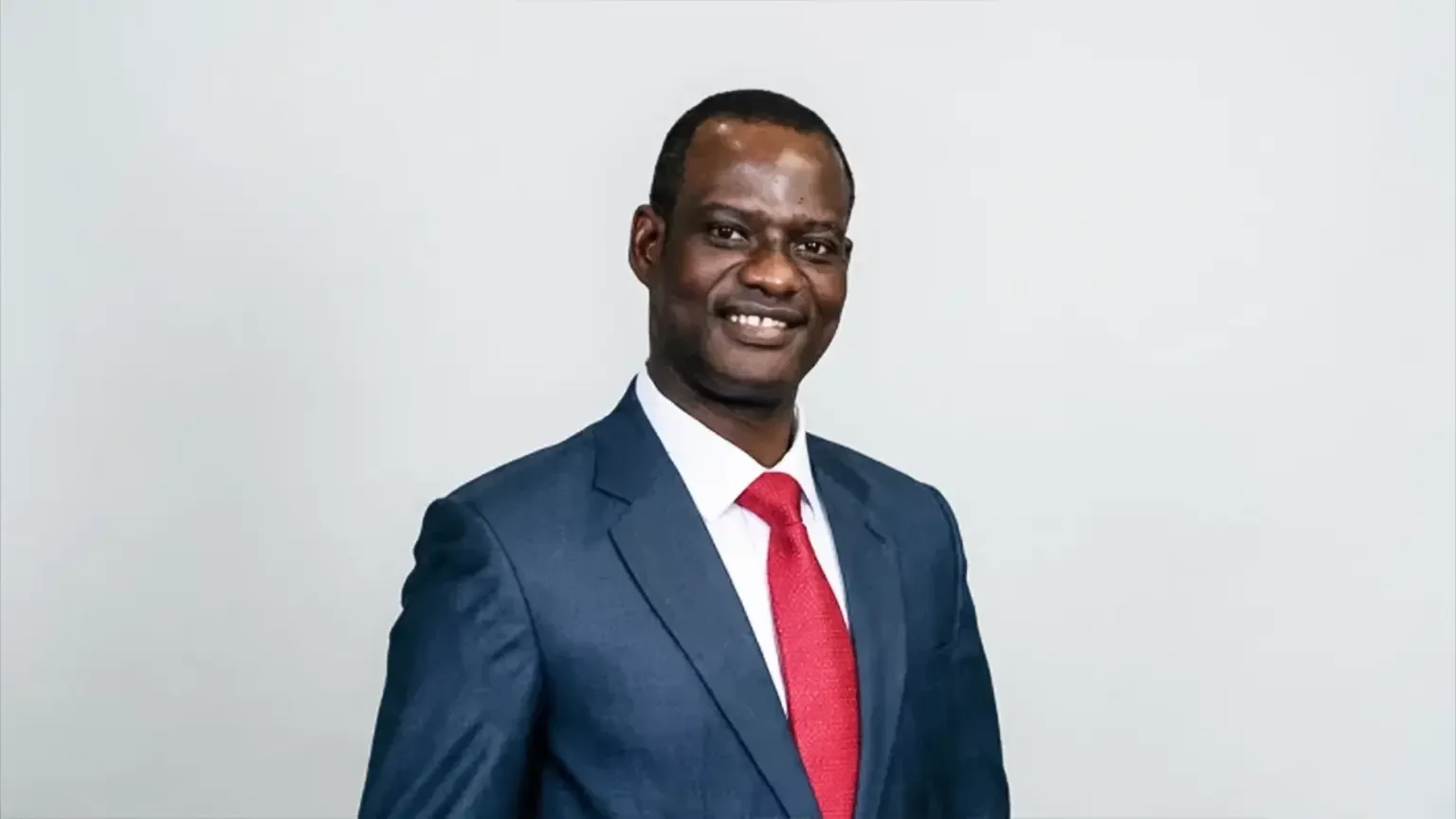
Chairman of Exclusive Estate, Peter Adobamen, stated that Lagos Mainland is regaining strategic importance due to its accessibility to commercial districts and growing residential demand. According to him, nearly 85 percent of Lagos residents currently live on the mainland, making redevelopment increasingly critical to the city’s long-term growth strategy.
Adobamen explained that many residents who initially relocated to emerging suburban corridors such as Lekki and Sangotedo are reconsidering mainland districts because of rising commuting times and traffic congestion. Areas such as Yaba, Surulere, and Ikeja are becoming more attractive because of their proximity to business centres including Marina and Victoria Island.
Industry experts also noted that rising land values and ageing buildings across several mainland neighbourhoods are creating redevelopment opportunities for mixed-use projects, student housing, and compact residential developments.
Changing Housing Preferences Reshaping Development Trends
Stakeholders at the forum highlighted a major shift in housing preferences among younger residents and middle-income professionals.
According to Adobamen, demand is increasingly moving away from large detached homes toward smaller, more efficient apartments suited to changing lifestyles, rising living costs, and evolving work patterns.
As a result, many older residential structures across Lagos Mainland are being demolished and replaced with modern medium-density developments targeting young professionals and smaller households. Analysts say this trend reflects broader demographic and economic changes occurring across rapidly urbanising African cities.
The redevelopment cycle is also contributing to gentrification concerns in some neighbourhoods, where rising property values risk displacing lower-income residents and informal communities.
Experts Warn About Infrastructure Pressure
Urban planning experts warned that Lagos’ infrastructure systems are already struggling under increasing population pressure.
Professor Timothy Nubi, Director of the Centre for Housing and Sustainable Development at the University of Lagos, stated that approximately 900 people migrate into Lagos daily, a trend expected to intensify because of insecurity and economic migration from other parts of Nigeria.
Nubi projected that Lagos could approach a population of 60 million within the next 25 years if current demographic patterns continue. Such growth, he argued, would significantly increase pressure on transportation systems, housing supply, waste management, and public infrastructure.
Research on Lagos urbanisation has consistently identified housing shortages, traffic congestion, environmental stress, and unequal access to infrastructure as major consequences of uncontrolled urban expansion.
The Lagos State Government has also acknowledged the intensity of urban pressure facing the state. Earlier this year, Commissioner for Physical Planning and Urban Development, Dr Oluyinka Olumide, warned that Lagos faces “intense urban and population pressure” requiring more efficient land-use management strategies.
Stakeholders Seek Lower Development Costs
A major concern raised during the forum involved the high cost of land documentation, approvals, and regulatory compliance.
Professor Nubi urged authorities to reduce costs associated with Certificates of Occupancy, planning approvals, and property documentation, arguing that excessive regulatory expenses discourage formal development and contribute to illegal construction activities.
According to him, reducing approval costs could stimulate legitimate development activity while improving long-term government revenue generation through land-use charges and property taxation.
Developers also stressed that high interest rates and rising construction costs continue to constrain redevelopment financing, particularly for medium-scale investors targeting affordable housing projects.
Government and Private Sector Collaboration Seen as Critical
Stakeholders argued that successful urban redevelopment in Lagos will require stronger collaboration between government institutions, developers, financial institutions, and urban planners.
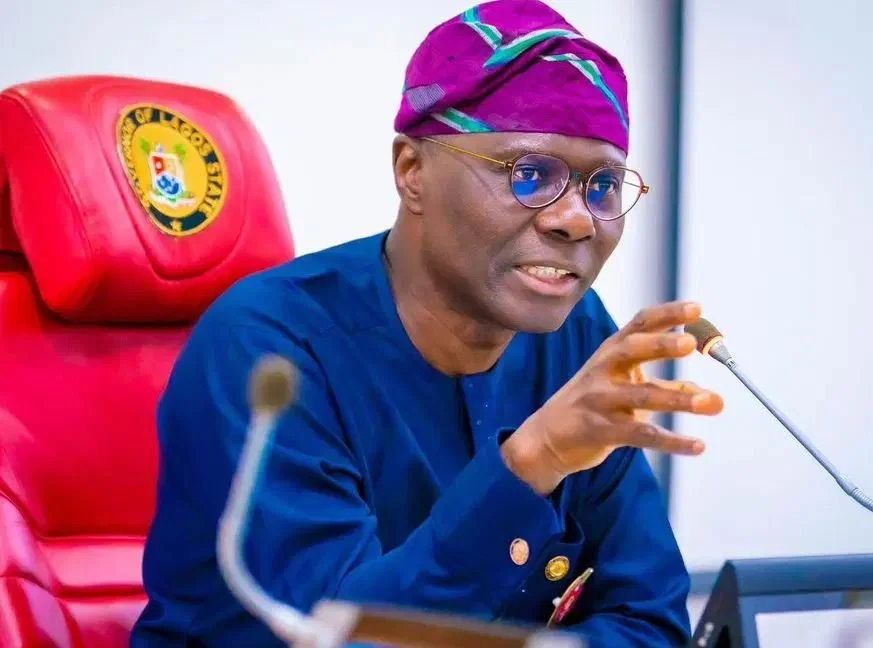
Governor Babajide Sanwo-Olu recently identified infrastructure expansion, transit-oriented development, urban regeneration, and climate-resilient planning as central priorities for Lagos’ long-term real estate growth strategy.
The state government has increasingly promoted integrated transport projects, urban renewal initiatives, and planning reforms designed to unlock private-sector investment while improving urban mobility and housing accessibility.
However, experts insist that redevelopment efforts must include social safeguards capable of preventing displacement of vulnerable communities and preserving affordability within regenerated districts.
Implications for Lagos Real Estate Market
The growing push for urban redevelopment reflects broader structural shifts within Lagos’ real estate market as demographic pressure, land scarcity, and infrastructure limitations reshape investment priorities.
Analysts believe mainland redevelopment could become one of the most significant real estate growth segments over the next decade, particularly as developers seek alternatives to increasingly saturated and expensive coastal corridors.
At the same time, the success of urban renewal initiatives will likely depend on planning efficiency, infrastructure investment, financing accessibility, and regulatory transparency.
For investors, the trend signals emerging opportunities in mixed-use developments, transit-linked housing projects, student accommodation, and urban regeneration schemes targeting middle-income residents.
As Lagos continues its transition into one of the world’s fastest-growing megacities, stakeholders argue that proactive redevelopment planning will become increasingly essential to ensuring sustainable urban growth, housing accessibility, and long-term economic resilience.
READ MORE