Taiwo Oyedele Takes Charge of Nigeria’s Finance Ministry
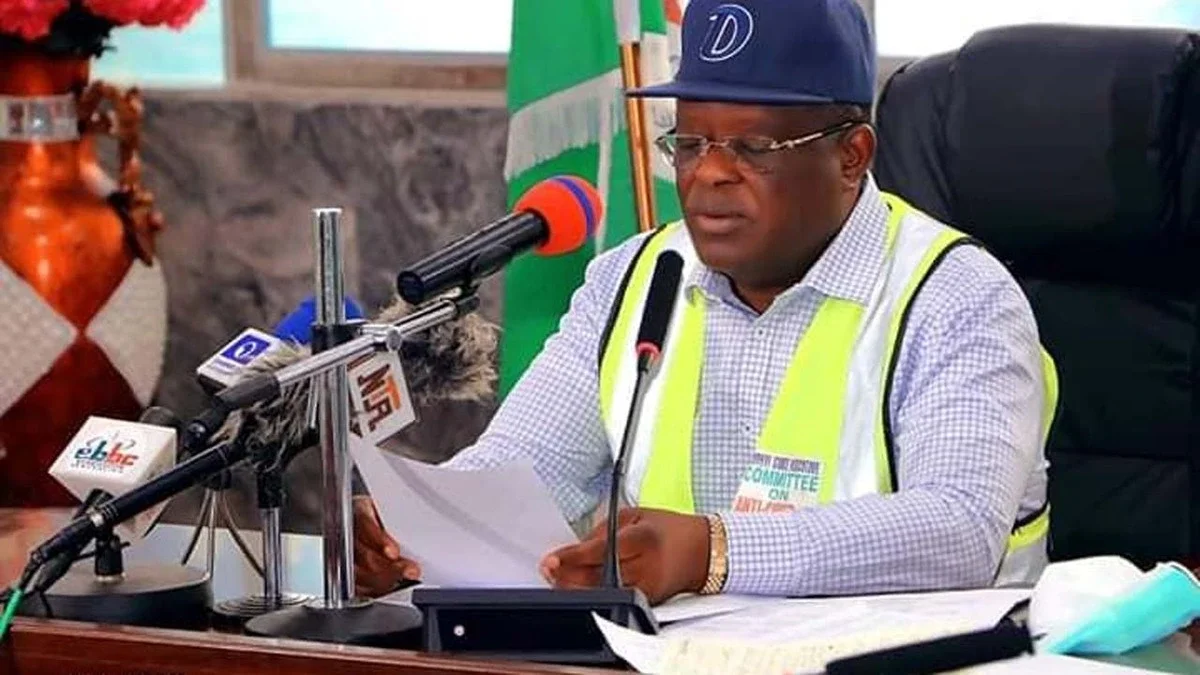
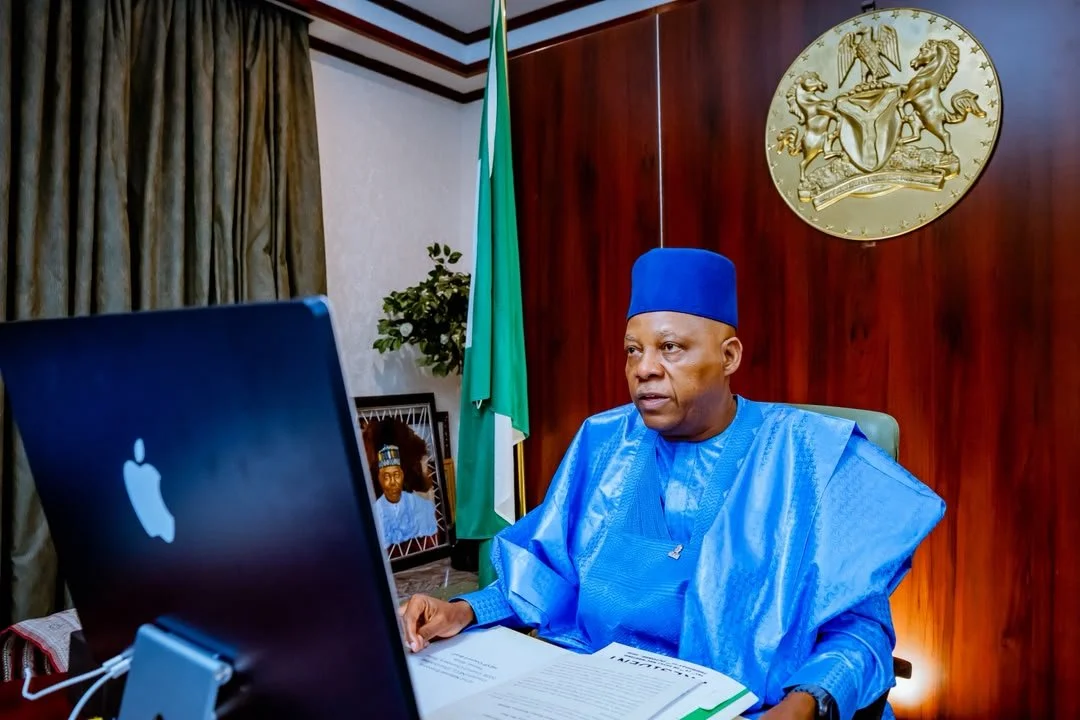
Taiwo Oyedele has officially assumed office as Nigeria’s Minister of Finance, marking a significant leadership transition within the country’s economic management framework. The appointment, confirmed by President Bola Ahmed Tinubu, forms part of ongoing efforts to strengthen fiscal governance and accelerate economic reforms.
The swearing-in ceremony took place in Abuja, where the new minister outlined a commitment to stabilising public finances, improving revenue generation, and fostering sustainable economic growth.
/ You Might Also Like /




Context: Economic Pressures and Reform Agenda
Oyedele’s appointment comes at a critical juncture for Nigeria’s economy. The country continues to face fiscal constraints, driven by revenue shortfalls, rising debt servicing costs, and macroeconomic volatility. According to the Central Bank of Nigeria, inflationary pressures and exchange rate instability remain key risks to economic stability.
Nigeria’s revenue-to-GDP ratio remains among the lowest globally, limiting the government’s capacity to fund infrastructure and social programmes. Addressing this structural challenge stands as a central priority for the new finance minister.
Policy Focus: Revenue Mobilisation and Tax Reform
Taiwo Oyedele brings extensive experience in tax policy and fiscal reform, having previously led initiatives aimed at improving Nigeria’s tax system. His leadership is expected to prioritise broadening the tax base, enhancing compliance, and simplifying the tax framework to support business growth.
Recent government efforts to reform taxation and public finance systems have focused on increasing non-oil revenues and reducing dependence on volatile crude oil earnings. The administration has emphasised the need for a more efficient and transparent fiscal system to attract both domestic and foreign investment.
Industry analysts expect Oyedele to accelerate ongoing reforms, including digitisation of tax administration and improved coordination between federal and state revenue agencies.
Implications for Investors and the Private Sector
The appointment signals continuity in Nigeria’s reform agenda, particularly in areas affecting business operations and investment climate. A more predictable and transparent fiscal environment could improve investor confidence and unlock capital inflows across key sectors.
For the private sector, reforms in taxation and public finance management will influence cost structures, compliance requirements, and long-term planning. Investors will closely monitor policy clarity, execution timelines, and regulatory consistency under the new leadership.
Given Nigeria’s infrastructure deficit and development needs, effective fiscal management remains essential to mobilising resources for capital projects, including housing, transport, and energy.
Outlook for Nigeria’s Fiscal Landscape
Taiwo Oyedele’s tenure as Finance Minister introduces a renewed focus on fiscal discipline and structural reform. While the challenges are significant, the administration has positioned economic management as a cornerstone of its broader policy agenda.
The success of this leadership transition will depend on the government’s ability to implement reforms effectively, strengthen institutions, and maintain policy consistency.
As Nigeria navigates a complex economic environment, stakeholders across the public and private sectors will assess whether the new finance minister can deliver measurable improvements in revenue generation, fiscal stability, and long-term economic growth.
READ MORE