Infrastructure Stakeholders Urge FG to Mobilise Private Capital for ₦2.3tn Deficit
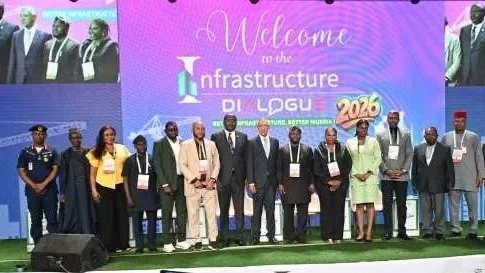
FG Advised to Expand PPPs to Address Nigeria’s Infrastructure Deficit
Infrastructure stakeholders have called on the Federal Government to strengthen policies that attract private capital investment to help bridge Nigeria’s estimated ₦2.3 trillion infrastructure deficit. The appeal comes amid growing concerns over widening financing gaps affecting transportation, housing, energy, and urban development projects across the country
/ You Might Also Like /




The stakeholders made the call during discussions focused on infrastructure financing and sustainable development strategies in Nigeria. Industry experts stressed that government funding alone would remain insufficient to address the country’s large-scale infrastructure needs, making private-sector participation increasingly critical.
According to participants, improving investment frameworks, reducing regulatory bottlenecks, and expanding public-private partnership opportunities will be essential to attracting long-term infrastructure financing.
Nigeria Faces Persistent Infrastructure Financing Challenges
Nigeria continues to face significant infrastructure deficits across several sectors, including roads, rail, power, housing, ports, and water systems.
Analysts have consistently identified inadequate infrastructure as one of the major constraints affecting economic productivity, industrial growth, logistics efficiency, and urban development nationwide.
Stakeholders at the event noted that rapid population growth and urbanisation have intensified pressure on existing infrastructure systems, increasing the need for accelerated investment and project delivery.
The financing challenge has become more pronounced amid rising debt servicing obligations, fiscal pressures, and limited public revenue available for capital expenditure.
According to the World Bank, Nigeria requires substantial annual infrastructure investment over the coming decades to meet growing demand and support long-term economic expansion.
Stakeholders Advocate Stronger Public-Private Partnerships
Industry participants argued that expanding public-private partnership (PPP) frameworks remains one of the most practical approaches to improving infrastructure financing in Nigeria.
PPP arrangements allow governments to collaborate with private investors in financing, constructing, and operating major infrastructure assets while reducing direct fiscal pressure on public budgets.
Stakeholders noted that several successful infrastructure projects globally have relied heavily on private capital mobilisation supported by transparent regulation and stable investment policies.
According to experts, Nigeria must improve investor confidence through stronger contract enforcement, policy consistency, transparent procurement systems, and reduced bureaucratic delays.
Infrastructure investors also continue to prioritise foreign exchange stability, predictable regulation, and project bankability before committing long-term capital to emerging markets.
Housing and Urban Infrastructure Remain Critical Priorities
Housing infrastructure formed a major part of discussions surrounding Nigeria’s broader infrastructure financing gap.
Urban development specialists noted that inadequate infrastructure continues to affect housing delivery, increase construction costs, and slow organised residential expansion across major cities.
Poor road networks, unstable electricity supply, drainage deficiencies, and limited water infrastructure often increase the cost of housing development projects, particularly within rapidly growing urban corridors.
Industry experts stressed that coordinated infrastructure planning remains essential to supporting affordable housing delivery and reducing pressure on overstretched urban centres.
The Federal Government has increasingly promoted infrastructure-led urban development through housing schemes, transport investments, and industrial corridor expansion.
Private Capital Seen as Essential for Long-Term Growth
Stakeholders emphasised that attracting institutional investors, pension funds, infrastructure funds, and international development finance institutions could significantly improve Nigeria’s infrastructure financing capacity.
According to analysts, long-term private capital remains particularly important for large-scale projects with extended development timelines such as highways, rail systems, housing estates, and energy infrastructure.
Several experts also highlighted the importance of developing local capital markets capable of supporting infrastructure financing through bonds, infrastructure funds, and blended finance mechanisms.
The conversation around infrastructure financing has gained urgency as governments across Africa increasingly face pressure to modernise infrastructure while managing fiscal sustainability concerns.
Regulatory and Policy Reforms Remain Key
Participants at the event identified policy consistency as one of the most critical requirements for attracting sustained private-sector investment.
Frequent policy changes, project delays, land acquisition disputes, and foreign exchange volatility have historically discouraged long-term infrastructure investment in Nigeria.
Stakeholders called for reforms aimed at improving ease of doing business, accelerating project approvals, and strengthening dispute resolution mechanisms within infrastructure contracts.
According to industry observers, improving governance standards and project transparency could also help reduce investor risk perceptions and lower financing costs.
The Infrastructure Concession Regulatory Commission (ICRC) has continued to promote PPP frameworks as part of broader efforts to expand infrastructure financing participation across Nigeria.
Infrastructure Development Linked to Economic Expansion
Economists note that infrastructure investment remains central to economic growth, industrial productivity, and job creation.
Efficient transport systems, stable energy infrastructure, and organised urban planning can improve business competitiveness, reduce logistics costs, and support investment attraction across multiple sectors.
Construction and infrastructure projects also generate employment opportunities within engineering, manufacturing, logistics, and real estate industries.
Stakeholders stressed that closing Nigeria’s infrastructure deficit could significantly improve the country’s long-term economic performance while enhancing regional competitiveness within Africa.
Outlook for Nigeria’s Infrastructure Financing Agenda
The call for increased private capital participation highlights growing recognition that government funding alone cannot address Nigeria’s widening infrastructure needs.
For policymakers, investors, and development institutions, the discussions reinforce the importance of sustainable financing models capable of supporting long-term infrastructure expansion.
The success of future infrastructure programmes will likely depend on policy stability, stronger regulatory institutions, improved project execution, and the ability to attract both domestic and international investment capital.
As Nigeria continues to pursue economic diversification and urban development goals, infrastructure financing will remain a critical factor shaping growth, competitiveness, and investment opportunities across the country.
READ MORE