Cocoa Prices Jump 24% in May Amid Farmer Protests and Weak Rainfall
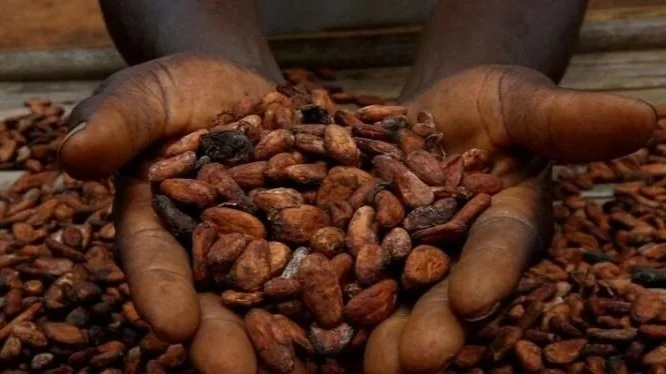
Farmer Protests and Poor Rainfall Push Cocoa Prices Higher in May
Global cocoa prices have surged 24 per cent month-to-date in May, rebounding sharply after months of sustained declines as fresh supply concerns emerge across major cocoa-producing regions in West Africa. The rally follows farmer protests in Ivory Coast and growing fears that weak rainfall patterns could negatively affect upcoming harvests.
According to market data reported by Nairametrics, cocoa prices climbed back above the $4,400-per-tonne level during May after falling to multi-year lows earlier in 2026. The recovery marks a significant reversal from the prolonged selloff that pushed prices below $3,000 per tonne in February amid oversupply pressures and weakening market sentiment.
/ You Might Also Like /




The latest gains highlight how weather disruptions and supply chain instability continue to shape volatility within the global agricultural commodities market.
Supply Concerns Return to the Cocoa Market
The recent rally in cocoa prices has been largely driven by renewed concerns over production output in Ivory Coast, the world’s largest cocoa producer.
Reuters reported that farmers across several cocoa-growing regions in Ivory Coast have expressed fears that patchy and below-average rainfall could reduce both crop quality and harvest yields during the ongoing mid-crop season.
Farmers indicated that moisture levels remain insufficient across key producing regions including Soubre, Divo, Agboville, and Abengourou, raising concerns about pod development and bean quality ahead of the July-to-August harvest window.
Agricultural analysts note that cocoa production remains highly sensitive to rainfall consistency, temperature fluctuations, and disease outbreaks, particularly within West Africa where the majority of global cocoa supply originates.
Farmer Protests Intensify Market Pressure
In addition to weather concerns, cocoa prices have also reacted to escalating farmer protests linked to unpaid cocoa deliveries in Ivory Coast.
According to Reuters, several farmer cooperatives staged protests after claiming they had not received payment for cocoa sold during the October-to-March main crop season despite earlier government commitments.
The protests reportedly led to road blockades in some areas, while security forces used tear gas to disperse demonstrators in the town of M’Batto.
Farmers warned that delayed payments could affect the next planting and harvest cycle because many growers depend on seasonal income to maintain plantations and finance agricultural inputs.
One farmer interviewed by Reuters stated that the payment delays could weaken future harvest output as producers struggle to sustain plantation operations.
The Ivory Coast Coffee and Cocoa Council later confirmed plans to send officials to affected regions to calm tensions and address complaints from farmers and cooperatives.
Cocoa Market Recovers After Sharp 2025 Decline
The current rebound follows one of the most volatile periods in recent cocoa market history.
Cocoa prices surged above $10,000 per tonne in 2024 and early 2025 following poor harvests, disease outbreaks, and severe weather disruptions across major producing countries. However, prices later collapsed by more than 40 per cent during the second half of 2025 due to oversupply conditions and reduced speculative demand.
The decline extended into the first quarter of 2026, with prices falling below the $4,000-per-tonne threshold amid weak investor sentiment and increased supply inventories.
However, the renewed rally in May suggests that traders are once again pricing in potential supply shortages as weather risks and farmer unrest intensify.
Commodity analysts believe cocoa prices could remain volatile over the coming months depending on rainfall patterns, government interventions, and harvest performance across West Africa.
Ghana Moves to Stabilise Cocoa Financing
Ghana, the world’s second-largest cocoa producer, is also responding to market pressures through new financing initiatives.
According to Nairametrics, the Ghana Cocoa Board plans to raise approximately $1 billion through domestic bond issuance to finance cocoa purchases for the 2026/2027 production season.
The move forms part of Ghana’s broader strategy to reduce dependence on foreign borrowing while stabilising cocoa financing operations amid ongoing market volatility.
Industry observers note that financing challenges have increasingly affected cocoa-producing countries as fluctuating prices place pressure on government-backed commodity purchasing programmes.
Nigerian Cocoa Farmers Also Face Market Challenges
The volatility in global cocoa prices has also affected Nigerian cocoa farmers across major producing states including Ondo, Osun, and Ekiti.
Earlier in 2026, farmers raised concerns about declining international cocoa prices and the financial pressure created by lower earnings and rising production costs.
Nigeria remains one of Africa’s major cocoa producers, although its output trails that of Ivory Coast and Ghana.
Agricultural stakeholders have repeatedly called for improved financing access, stronger export support systems, and better value-chain investments to strengthen Nigeria’s cocoa industry and reduce vulnerability to global price shocks.
Commodity Markets Remain Sensitive to Climate Risks
The recent cocoa rally reinforces broader concerns about climate-related risks affecting agricultural commodities globally.
Weather disruptions, changing rainfall patterns, and prolonged dry conditions have increasingly affected production cycles across several agricultural markets, contributing to price instability and supply uncertainty.
Analysts note that cocoa remains particularly vulnerable because global production is concentrated within a small number of West African countries exposed to climate variability.
The current market rebound could provide temporary financial relief for cocoa farmers if prices remain elevated. However, sustained volatility may continue to create uncertainty for producers, exporters, manufacturers, and commodity investors.
Outlook for the Global Cocoa Market
The sharp recovery in cocoa prices during May signals renewed market sensitivity to supply disruptions within the global cocoa industry.
Farmer protests in Ivory Coast, weak rainfall patterns, and broader financing challenges have collectively heightened concerns over future harvest output and global supply stability.
For commodity traders and agricultural stakeholders, the coming weeks will likely remain critical as markets monitor rainfall conditions, government interventions, and harvest performance across major cocoa-producing regions.
If adverse weather conditions persist and farmer tensions remain unresolved, cocoa prices could continue their upward momentum in the near term.
READ MORE