Short-Let Apartments Reshape Nigeria’s Rental Market Amid Rising Housing Demand

Rising Popularity of Short Lets Creates New Opportunities for Property Investors
Short-let apartments are increasingly reshaping Nigeria’s rental market, creating new opportunities for property investors while altering traditional housing patterns across major urban centres. Industry stakeholders say rising demand for flexible accommodation, tourism-related stays, business travel and remote work arrangements has accelerated the growth of the short-let segment, particularly in cities such as Lagos and Abuja.
/ You Might Also Like /


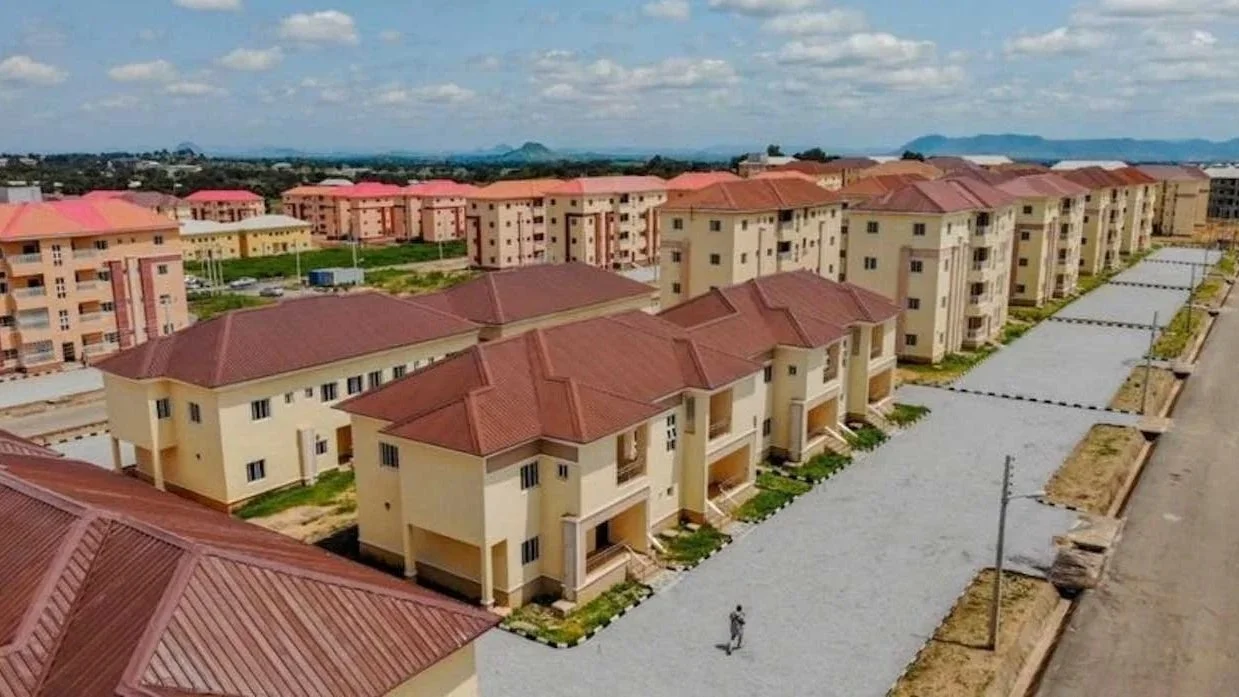

The trend reflects broader changes in Nigeria’s housing market, where tenants and travellers are seeking greater flexibility, while property owners pursue higher returns than those typically generated by conventional long-term rental arrangements. As demand continues to grow, analysts believe short-let apartments are becoming an increasingly influential component of the country’s real estate sector.
Rising Demand Fuels Growth of Short-Let Accommodation
The growing popularity of short-let apartments is being driven by changing consumer preferences and evolving work patterns.
According to industry reports, the expansion of hybrid and remote work models has encouraged more professionals to seek flexible living arrangements that offer convenience and affordability. At the same time, increasing domestic and international travel has supported demand for furnished short-term accommodation in key commercial and tourism destinations.
Property owners have responded by converting residential units into short-let apartments, attracted by the potential for higher earnings compared with traditional annual tenancy agreements. Market participants say short-term rentals often generate stronger cash flow, particularly in high-demand locations.
Impact on the Traditional Rental Market
The rapid expansion of short-let accommodation is generating debate within Nigeria’s housing sector.
Some housing experts argue that the conversion of residential properties into short-term rentals may reduce the supply of homes available for long-term tenants, potentially contributing to rising rents in already constrained housing markets. Lagos, in particular, continues to experience strong demand for housing amid a significant supply deficit and growing urban population.
As more landlords pursue short-let opportunities, industry observers warn that the shift could place additional pressure on affordability, especially in prime residential districts where rental demand remains strong.
Investor Interest Continues to Increase
Despite concerns about affordability, short-let apartments have emerged as an attractive investment class within Nigeria’s property market.
Investors are increasingly targeting locations with strong demand from business travellers, expatriates, tourists and short-term visitors. Areas such as Lekki, Victoria Island, Ikoyi, Abuja’s central districts and other major urban centres have become popular destinations for short-let developments.
The segment’s appeal is supported by rising urban mobility, growth in the digital economy and increasing demand for serviced accommodation that offers greater privacy and flexibility than traditional hotels.
Housing Supply Challenges Remain
The growth of the short-let market comes at a time when Nigeria continues to grapple with a substantial housing deficit.
Industry analysts note that strong population growth, urbanisation and limited housing supply have contributed to persistent pressure on rental markets across major cities. Rising construction costs and financing constraints have also affected the pace of new housing delivery.
Stakeholders argue that increasing housing supply remains essential to balancing investor opportunities with the need for affordable accommodation. They emphasise that long-term solutions will require greater collaboration between government agencies, private developers and financial institutions.
Balancing Opportunity and Affordability
As the short-let sector expands, policymakers and industry participants are increasingly examining its implications for housing accessibility and urban development.
Supporters contend that short lets create new investment opportunities, generate employment and contribute to economic activity within the hospitality and real estate sectors. Critics, however, caution that unchecked growth could further tighten housing supply in high-demand locations.
The challenge for policymakers will be developing frameworks that encourage investment while ensuring that sufficient housing remains available for long-term residents.
Conclusion
Short-let apartments are becoming an increasingly significant force in Nigeria’s rental market, driven by changing lifestyles, growing travel demand and investor interest. While the sector presents attractive opportunities for property owners and developers, it also raises important questions about housing affordability and supply. As the market continues to evolve, balancing investment growth with broader housing needs will remain a key priority for stakeholders across the real estate sector.
READ MORE