Petrol Remains at ₦1,350 in Abuja Despite Falling Global Oil Prices

Abuja Fuel Market Defies Global Oil Price Trend
Petrol prices in Abuja have remained at approximately ₦1,350 per litre despite recent declines in global crude oil prices, highlighting the continued influence of domestic market factors on fuel pricing in Nigeria. The development comes as consumers and businesses anticipate relief from high energy costs amid softening international oil markets.
/ You Might Also Like /
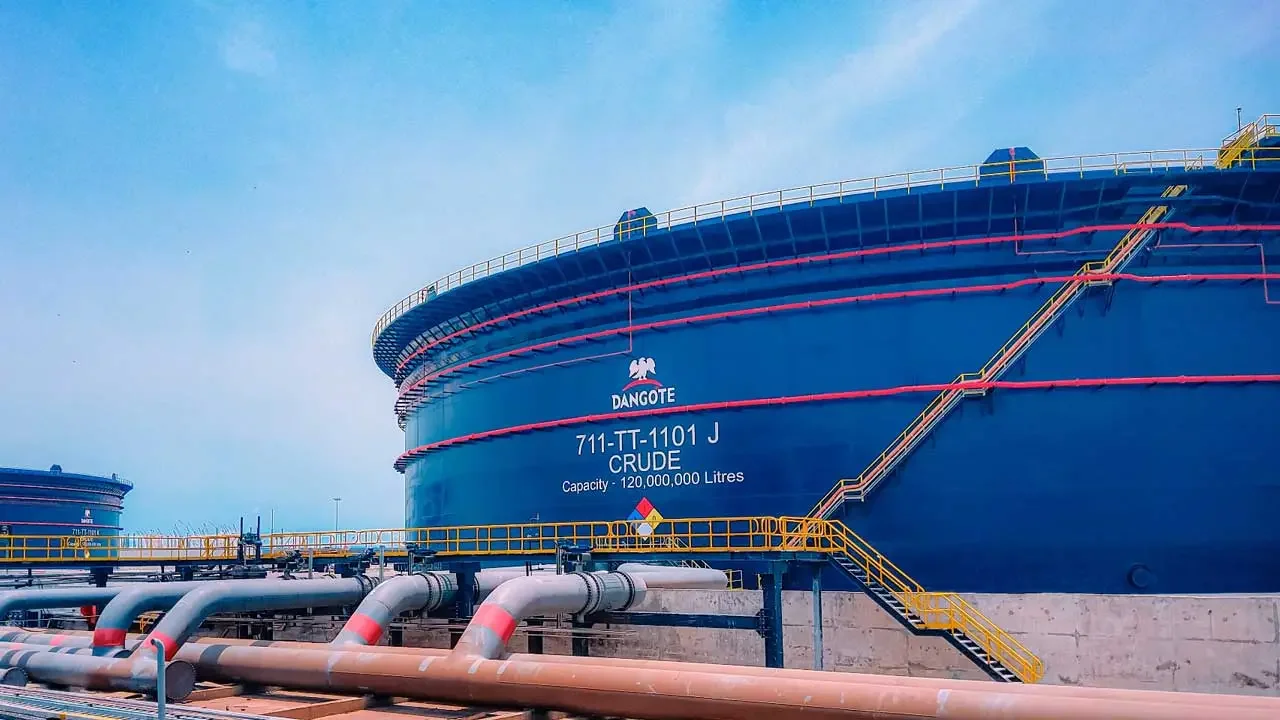



According to industry reports, retail fuel prices across many filling stations in the Federal Capital Territory have remained largely unchanged despite a downward trend in crude oil benchmarks. The situation underscores the complexity of Nigeria’s downstream petroleum market, where exchange rates, logistics costs and supply chain dynamics play a significant role in determining pump prices.
Global Oil Prices Decline
International crude oil prices have experienced downward pressure in recent weeks amid concerns about global demand, production adjustments by major oil-producing countries and broader economic uncertainties.
Under normal market conditions, declining crude oil prices could contribute to lower fuel costs. However, analysts note that the price of petrol at retail outlets is influenced by several additional variables beyond the cost of crude oil.
For Nigeria, foreign exchange movements, transportation costs, storage expenses and distribution margins remain critical determinants of fuel pricing.
Domestic Market Factors Keep Prices Elevated
Industry stakeholders say that while global oil prices have softened, domestic cost pressures continue to support higher petrol prices.
The depreciation of the naira, financing costs and expenses associated with importing refined petroleum products or sourcing fuel supplies remain key considerations for marketers. These factors can offset gains from lower international crude prices and limit the extent to which consumers benefit from changes in global markets.
Fuel marketers also point to transportation and logistics expenses, which have remained elevated and continue to affect final retail prices.
Impact on Households and Businesses
Persistent fuel prices continue to affect households and businesses across the country.
Transportation costs remain a major component of daily living expenses, particularly in urban centres where commuting and logistics activities depend heavily on petrol-powered vehicles. Higher fuel costs also influence the prices of goods and services by increasing operational and distribution expenses.
Businesses across multiple sectors, including retail, manufacturing and agriculture, continue to face pressure from elevated energy and transportation costs, which can affect profitability and investment decisions.
Implications for Housing and Construction
The housing and construction sectors are among those affected by sustained fuel prices.
Developers rely on transportation networks to move building materials, equipment and labour to project sites. As fuel costs remain elevated, the expenses associated with construction activities can increase, adding pressure to project budgets and overall housing delivery costs.
Higher transportation costs for cement, steel, roofing materials and other building inputs may ultimately affect property prices and rental rates, particularly in rapidly growing urban markets.
Industry experts note that managing energy-related costs remains important for improving housing affordability and supporting efforts to reduce Nigeria’s housing deficit.
Calls for Greater Market Efficiency
Stakeholders continue to advocate for measures that improve efficiency across the petroleum value chain.
Analysts argue that strengthening domestic refining capacity, improving supply chain infrastructure and enhancing market competition could help reduce pricing pressures over time.
Recent investments in refining capacity are expected to play a role in improving supply security and reducing dependence on imported fuel products. However, market participants note that broader economic factors, including exchange rate stability, will remain important determinants of future fuel prices.
Outlook
Energy market observers expect petrol prices to remain influenced by both global and domestic developments. While lower crude oil prices may provide opportunities for future adjustments, exchange rate movements, distribution costs and market conditions will continue to shape pricing outcomes.
Businesses, investors and policymakers will closely monitor developments in the energy sector given their implications for inflation, economic growth and household spending.
Conclusion
The persistence of ₦1,350-per-litre petrol prices in Abuja despite falling global crude oil prices highlights the complex dynamics shaping Nigeria’s fuel market. While international oil markets have softened, domestic factors including foreign exchange pressures, logistics costs and supply chain expenses continue to influence retail pricing. The development has broader implications for transportation, inflation, construction activity and housing affordability, making fuel pricing a key issue for consumers, businesses and policymakers.
READ MORE