Stakeholders Divided Over Lagos Tenancy Reform and Proposed Rent Controls

Rent Control Debate Deepens as Lagos Reviews Tenancy Laws
Stakeholders across Lagos’ housing sector have expressed differing views over proposed tenancy reforms and potential rent control measures, highlighting the growing debate over how best to address housing affordability challenges in Nigeria’s commercial capital.
The discussions come amid rising rental costs, increasing demand for housing and mounting concerns over affordability for low- and middle-income residents. While some stakeholders support stronger tenant protections and regulatory intervention, others argue that rent controls could discourage investment and worsen housing shortages.
/ You Might Also Like /



Rising Housing Costs Drive Reform Discussions
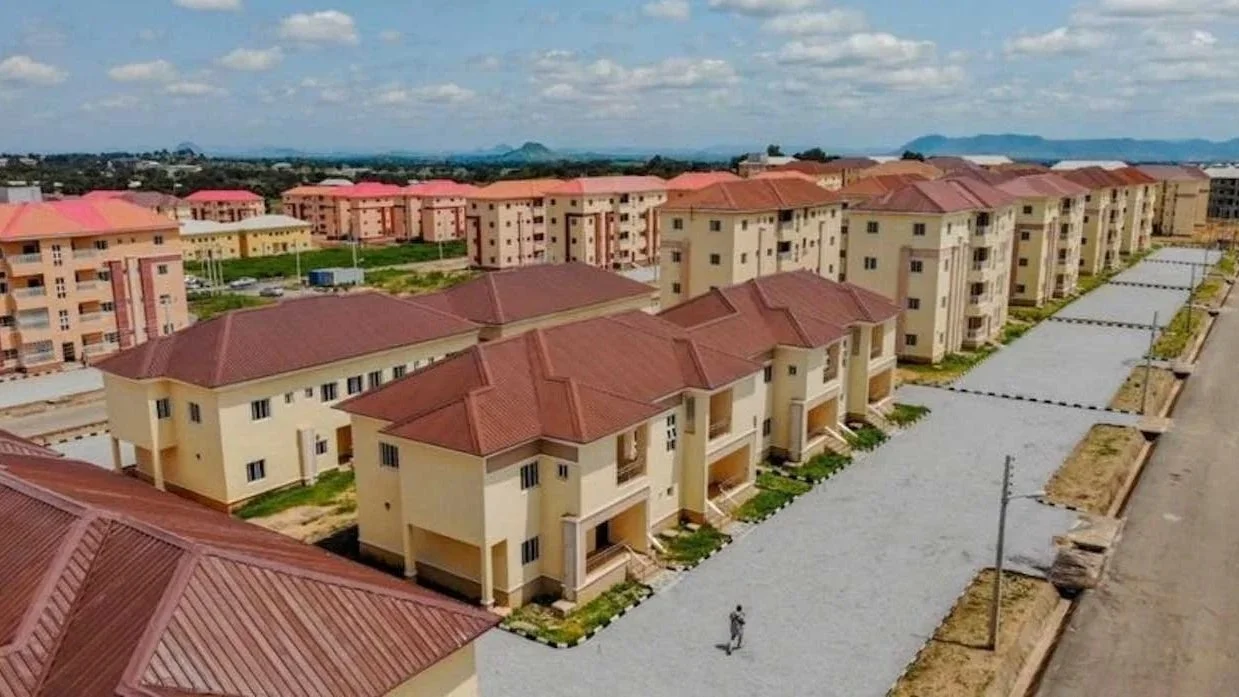
Lagos continues to face significant housing challenges driven by rapid urbanisation, population growth and limited housing supply.
Over the past few years, rental prices have increased across many parts of the state, placing additional pressure on households already coping with inflation and higher living costs.
In response, policymakers have explored reforms aimed at improving fairness in landlord-tenant relationships and easing the burden on renters.
Supporters of the proposed reforms argue that government intervention is necessary to protect tenants from excessive rent increases and exploitative practices within the housing market.
Supporters Back Stronger Tenant Protections
Advocates of tenancy reform believe stronger regulations could improve housing accessibility and provide greater security for tenants.
They argue that many households are spending a substantial portion of their income on rent, reducing their ability to meet other essential expenses.
According to proponents, measures that promote transparency, regulate tenancy practices and discourage arbitrary rent increases could help create a more balanced housing market.
Housing rights groups have also called for policies that improve affordability while ensuring fair treatment of tenants.
Developers and Landlords Express Concerns
However, several property developers, investors and landlords have raised concerns about the potential impact of rent control measures on housing investment.
Industry stakeholders argue that limiting rental income could reduce incentives for private-sector investment in residential development, particularly at a time when construction costs continue to rise.
Developers point to increasing expenses associated with land acquisition, building materials, infrastructure provision and financing, warning that excessive regulation may discourage new housing projects.
Some industry representatives contend that expanding housing supply, rather than imposing rent controls, remains the most sustainable solution to affordability challenges.
Housing Supply Remains a Key Challenge
Experts note that Lagos faces a persistent housing deficit that continues to exert upward pressure on rents.
Demand for residential accommodation significantly exceeds available supply in many areas, creating intense competition for housing and contributing to rising rental prices.
Urban planners and housing professionals argue that addressing supply constraints through increased housing development, infrastructure investment and streamlined approval processes may produce longer-term benefits for affordability.
Many stakeholders believe that policy reforms should strike a balance between tenant protection and maintaining an attractive environment for private-sector investment.
Calls for Balanced Policy Framework
As discussions continue, stakeholders are urging policymakers to adopt a balanced approach that addresses affordability concerns without undermining housing delivery.
Industry experts have recommended broader reforms that include affordable housing initiatives, improved access to housing finance, infrastructure expansion and incentives for developers.
Others have called for enhanced dispute resolution mechanisms, greater transparency in tenancy agreements and stronger enforcement of existing housing regulations.
The debate reflects the complexity of Lagos’ housing market, where affordability, investment and housing supply remain closely interconnected.
Implications for the Housing Market
The outcome of the tenancy reform discussions could have significant implications for Lagos’ property sector.
Supporters argue that stronger tenant protections may improve housing security and reduce financial pressure on renters. Critics, however, caution that poorly designed rent controls could discourage investment and constrain future housing supply.
Housing economists generally agree that sustainable solutions will require a combination of regulatory reforms and measures that encourage the construction of additional housing units.
Conclusion
The debate surrounding Lagos’ proposed tenancy reforms highlights the challenges of balancing housing affordability with investment incentives. While tenants and housing advocates are pushing for stronger protections and measures to curb rising rents, developers and landlords warn against policies that could reduce housing supply. As policymakers review potential reforms, stakeholders continue to call for solutions that promote both affordability and long-term housing market sustainability
READ MORE