Shettima Demands Stronger Accountability for $500m Agriculture Programme
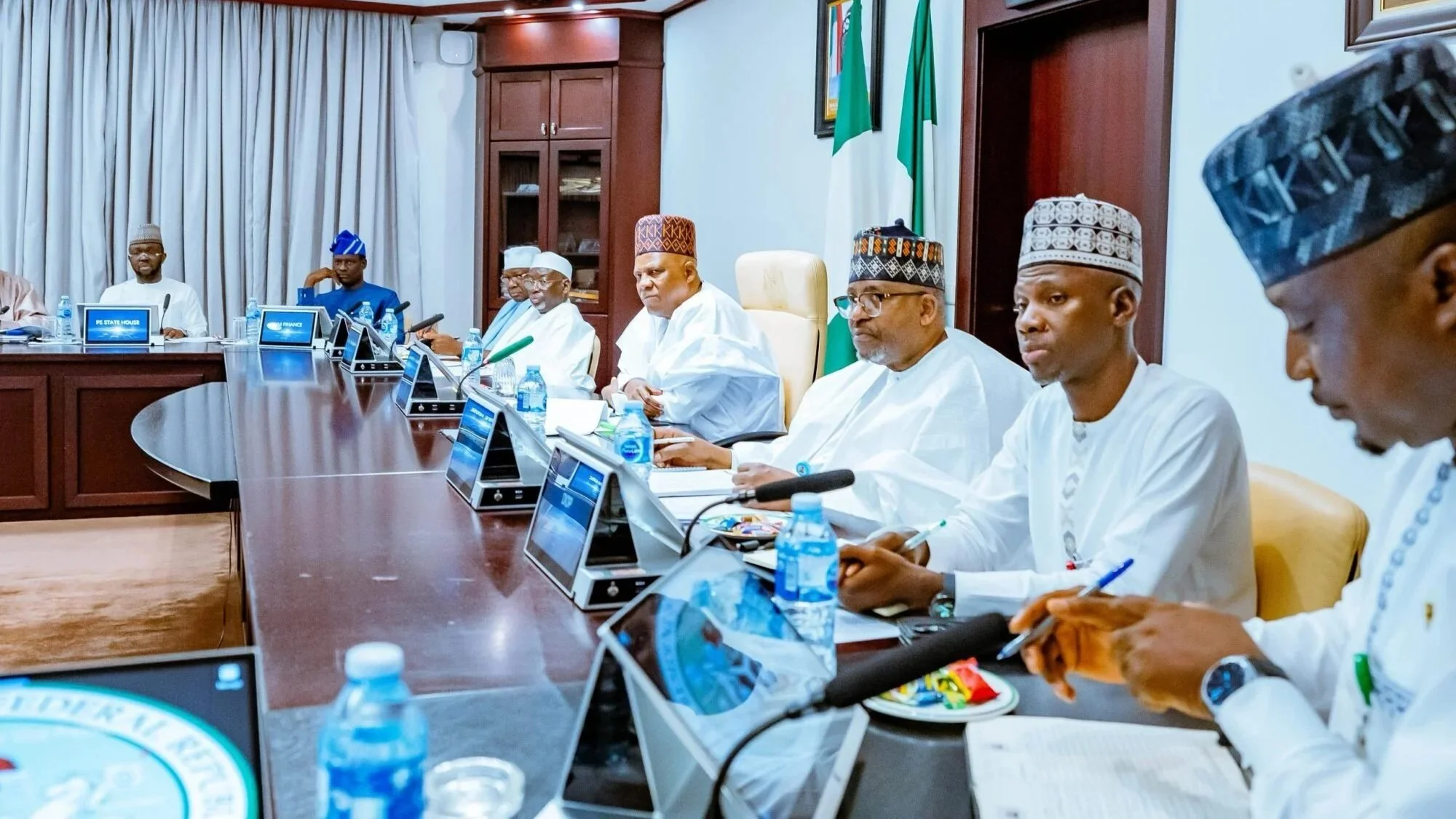
Vice President Kashim Shettima at a food systems coordination meeting
Vice President Kashim Shettima has called for stronger accountability and visibility across Nigeria’s major food-systems interventions, including the $500 million Sustainable Agricultural Value-Chains for Growth programme, known as AGROW.
/ You Might Also Like /




Shettima made the call at the seventh meeting of the Presidential Food Systems Coordinating Unit (PFSCU) Steering Committee in Abuja, where federal and state officials, private-sector representatives and development partners reviewed Nigeria’s food-system outlook and ongoing interventions.
The meeting focused on strengthening coordination, improving the use of data to identify emerging production and market pressures, and ensuring that interventions reach states, communities and markets where the need is greatest.
Government Reviews $500m AGROW Programme
The $500 million AGROW programme is a World Bank-supported initiative designed to strengthen Nigeria’s agricultural value chains and improve the connection between farmers, markets, infrastructure and economic policy.
The programme completed its design phase in July and has since transitioned to the Federal Ministry of Agriculture and Food Security and participating states. The Federal Government developed the programme through consultations involving 32 states, with the initiative expected to support agricultural productivity, rural infrastructure, extension services, value addition and market development.
At the July transition, Shettima said the programme was intended to reduce the longstanding disconnect between farmers and the institutions responsible for economic planning and policy decisions.
The latest PFSCU review indicates that implementation has now become a key focus, increasing the importance of monitoring how the programme's resources translate into measurable outcomes.
Shettima Calls for Greater Visibility and Accountability
According to the PFSCU, Shettima directed stakeholders to strengthen accountability across AGROW and other food-system initiatives.
The Vice President stressed that available resources must produce tangible outcomes for farmers, markets and Nigerian households.
The accountability push comes as the government manages several agricultural programmes simultaneously, making coordination and monitoring increasingly important.
The PFSCU also reviewed the National Agribusiness Policy Mechanism, the development of the National Agro-Productivity System and the National Food and Nutrition Crisis Preparedness Framework, which is anchored in the Office of the National Security Adviser.
The government said these initiatives require better intelligence to identify emerging pressures affecting production, markets, nutrition and food security.
States to Play a Major Role in Implementation
State governments will remain central to the delivery of AGROW.
During the programme's design phase, 32 states participated in consultations, reflecting the Federal Government's intention to place sub-national governments at the centre of agricultural development.
The World Bank-supported programme allocates a significant portion of its financing through participating states. The Guardian reported in July that $355 million, representing about 71% of the programme's financing, would be implemented directly through participating states.
This structure makes state-level accountability particularly important because implementation will involve decisions around infrastructure, extension services, agricultural productivity and market development.
For policymakers, the challenge will be to ensure that federal financing and state-level implementation remain aligned with measurable agricultural and economic outcomes.
Agriculture Programme Targets Wider Economic Pressures
The government's focus on agricultural value chains reflects the wider economic importance of the sector.
Agriculture affects food prices, household incomes, employment, industrial raw-material supply and Nigeria's import requirements. Improving productivity and market access can therefore have effects beyond farming communities.
The Federal Government has increasingly positioned food security as part of its broader economic strategy. In July, the Presidency described the $500 million Niger Delta Agricultural Investment Fund as a commercial, returns-driven vehicle covering areas including aquaculture, palm oil, cassava, cocoa, rice, horticulture, marine resources and livestock.
Although the Niger Delta fund is separate from AGROW, both initiatives form part of the government's wider effort to expand agricultural investment and strengthen domestic food production.
Accountability Could Determine Programme Impact
The scale of the funding makes effective monitoring central to the programme's success.
AGROW is designed to address longstanding gaps in agricultural infrastructure, technology, extension services, processing and market access. However, the size of these structural challenges means funding alone will not guarantee improved outcomes.
Clear implementation targets, transparent reporting, effective state-level coordination and measurable results will be necessary to determine whether the programme delivers value for farmers and households.
The latest PFSCU meeting indicates that the government wants accountability to become an integral part of implementation rather than an issue addressed after funds have been deployed.
Implications for Rural Development and Housing
The agricultural programme also has implications for Nigeria's housing and urban development outlook.
Agricultural productivity influences rural incomes and the ability of households to remain economically active in smaller communities. Where farming communities gain better access to infrastructure, markets and productive opportunities, pressure for migration towards major cities could moderate over time.
For the housing sector, this matters because rapid urban migration continues to increase demand for housing, infrastructure and services in major Nigerian cities.
Stronger rural economies can support a more balanced pattern of development by creating economic opportunities outside the largest urban centres. However, achieving that outcome will require agricultural programmes to operate alongside investments in roads, electricity, water, storage, healthcare and other basic infrastructure.
Food Security Remains a Key Policy Priority
The government's accountability drive comes against the backdrop of continued efforts to strengthen Nigeria's food system.
The PFSCU said the latest meeting examined the resilience and stability of the food system, with greater use of intelligence to identify where production, market, nutrition or security pressures are developing.
This approach places greater emphasis on targeted interventions rather than applying the same response across all states and communities.
For farmers and agricultural businesses, better targeting could improve the effectiveness of government support. For households, the broader objective is to strengthen food availability and affordability by addressing constraints along the entire agricultural value chain.
Implementation Will Be the Next Test
With AGROW's design phase completed and implementation responsibilities transferred to the relevant federal ministry and participating states, delivery will now become the main test of the programme.
The Federal Government's latest accountability push suggests that it wants progress to be measured not only by funds committed or projects launched, but by tangible improvements in agricultural productivity, market access and household welfare.
For investors, farmers and policymakers, the effectiveness of implementation will determine whether the $500 million programme can deliver the structural improvements required across Nigeria's agricultural value chains.
If the government succeeds in strengthening accountability while coordinating federal and state implementation, AGROW could become an important component of Nigeria's efforts to improve food security, rural economic development and long-term economic resilience.
READ MORE