IMF Urges Cash Transfers as High Food and Energy Costs Deepen Hardship
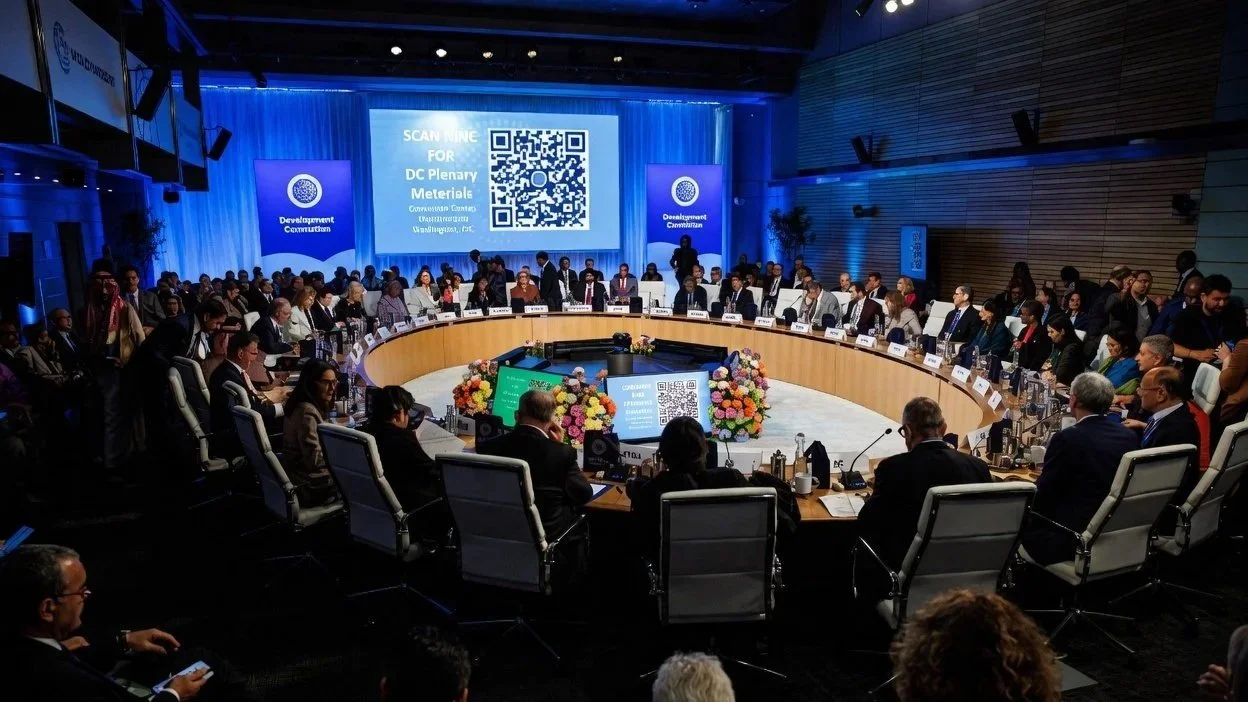
The IMF has called for targeted cash transfers to cushion vulnerable Nigerians against rising living costs
The International Monetary Fund (IMF) has urged the Federal Government to introduce targeted cash transfers and temporary income support for vulnerable Nigerians as rising food and energy prices continue to put pressure on household budgets.
/ You Might Also Like /




The Fund said direct financial assistance could help reduce poverty and improve food security, but stressed that such measures should form part of a broader fiscal strategy that improves public spending and strengthens government revenue collection.
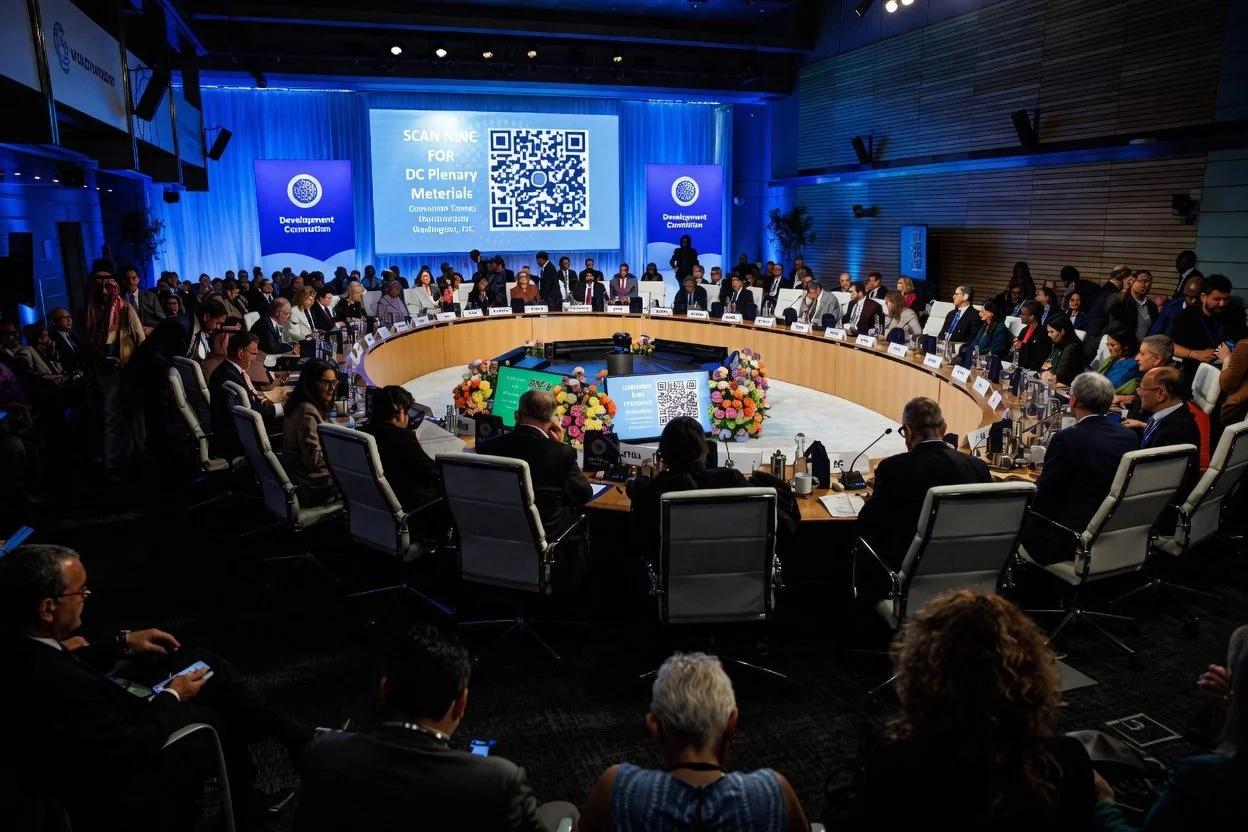
The recommendation was made during a briefing on the IMF’s October 2026 World Economic Outlook at the ongoing IMF and World Bank Group Annual Meetings in Bangkok, Thailand.
Deniz Igan, Chief of the IMF Research Department’s World Economic Studies Division, said governments needed to provide temporary support to households most exposed to rising essential costs while maintaining a credible medium-term fiscal framework.
IMF Calls for Targeted Support for Vulnerable Households
The IMF’s recommendation centres on helping households that have limited capacity to absorb increases in the cost of essential goods and services.
Food and energy costs affect household welfare directly and can also push up transportation, production and distribution expenses across the economy. For families with limited disposable income, these increases leave less money available for other necessities, including rent, healthcare, education and savings.
Targeted cash transfers would provide financial assistance to eligible households, helping them meet immediate needs without requiring the government to subsidise consumption across the entire population.
The approach would depend on identifying vulnerable beneficiaries, delivering payments efficiently and ensuring that assistance reaches households facing the greatest pressure.
The IMF has also stressed that support should be temporary and targeted, rather than an open-ended spending commitment that could place additional strain on public finances.
Revenue Collection and Spending Efficiency Remain Critical
The Fund said cash transfers should be accompanied by a credible medium-term fiscal framework focused on improving the quality of public expenditure and strengthening revenue collection.
This reflects the challenge of supporting households while managing government finances. Expanding social assistance without reliable funding could increase fiscal pressure, particularly if revenue falls short of expectations or competing spending obligations rise.
Improving spending efficiency would require public funds to produce measurable benefits, while stronger revenue collection could provide a more sustainable basis for financing essential services and targeted relief.
For Nigeria, the policy question is how to provide meaningful assistance to households experiencing hardship while maintaining the resources needed for infrastructure, public services and economic development.
The effectiveness of any intervention will depend not only on the amount allocated but also on how quickly payments reach beneficiaries, how recipients are selected and how the government monitors results.
Rising Food and Energy Costs Complicate Economic Recovery
The IMF’s recommendation comes as households continue to contend with high prices for essential goods and services, even as economic activity remains resilient.
The Fund projected global economic growth of 3.1 per cent in 2026 and 3.4 per cent in 2027, while warning that higher energy and commodity prices, rising public debt and uncertainty surrounding artificial intelligence could weaken the global outlook.
For Nigeria, higher international oil prices can support export earnings and government revenue, but they can also increase domestic fuel, transportation and production costs.
This creates a difficult balance for policymakers. Stronger export earnings do not automatically translate into lower living costs, particularly when households face higher prices for food, transport and other necessities.
The IMF warned that further disruptions to energy supplies could push inflation higher while weakening economic activity, increasing the pressure on governments to protect vulnerable groups.
Implications for Household Budgets and Housing Affordability
The pressure on food and energy budgets has consequences beyond immediate consumption. When households spend more on essentials, they have less income available for rent, mortgage repayments, home maintenance and savings towards homeownership.
Lower-income households are particularly exposed because essential expenses account for a substantial share of their budgets. Rising transport and utility costs can also increase the effective cost of living in areas where housing is comparatively affordable but employment opportunities are farther away.
Targeted cash support could provide temporary relief for eligible households, potentially helping them manage competing expenses. However, its effect on housing affordability would depend on the value of payments, the number of beneficiaries and the duration of the programme.
Cash transfers alone would not resolve the structural factors driving housing costs, including land prices, construction expenses, infrastructure gaps and limited access to affordable housing finance.
For the housing market, sustained improvement in household purchasing power would also depend on employment, income growth and the wider cost of essential goods and services.
Implementation Will Determine the Impact of Cash Transfers
The IMF’s recommendation highlights the importance of linking immediate household support with sound public financial management.
A targeted programme would need transparent eligibility criteria, reliable beneficiary records, effective payment systems and safeguards against diversion or duplication. Regular monitoring would also help establish whether assistance reaches intended recipients and improves their ability to meet basic needs.
The government would need to clarify the programme’s funding, coverage and duration, as well as how it would complement existing social protection measures.
Without these details, the scale of relief that cash transfers could provide remains uncertain. Poor targeting or delays in payment could also limit their effectiveness, while inadequate funding could leave eligible households without consistent support.
The broader challenge is to ensure that temporary relief protects vulnerable Nigerians while longer-term policies address the pressures on household incomes and the cost of essential goods.
Balancing Immediate Relief With Fiscal Sustainability
The IMF’s call places household welfare alongside fiscal sustainability as a central consideration in Nigeria’s economic policy.
Targeted cash transfers could help households manage rising living costs, but their success would depend on effective implementation and a reliable funding framework. Stronger revenue collection and more efficient public spending would be necessary to sustain assistance without creating additional pressure on public finances.
For households, the immediate concern remains the ability to afford food, energy, transport and housing. For policymakers, the task is to provide relief while creating conditions in which incomes and economic opportunities can improve over time.
The outcome will depend on whether temporary support is delivered effectively and accompanied by broader measures that strengthen household purchasing power and reduce vulnerability to future economic shocks.
READ MORE