Lagdo Dam: FG Debunks Water Release Rumour, Blames Heavy Rains for Flooding
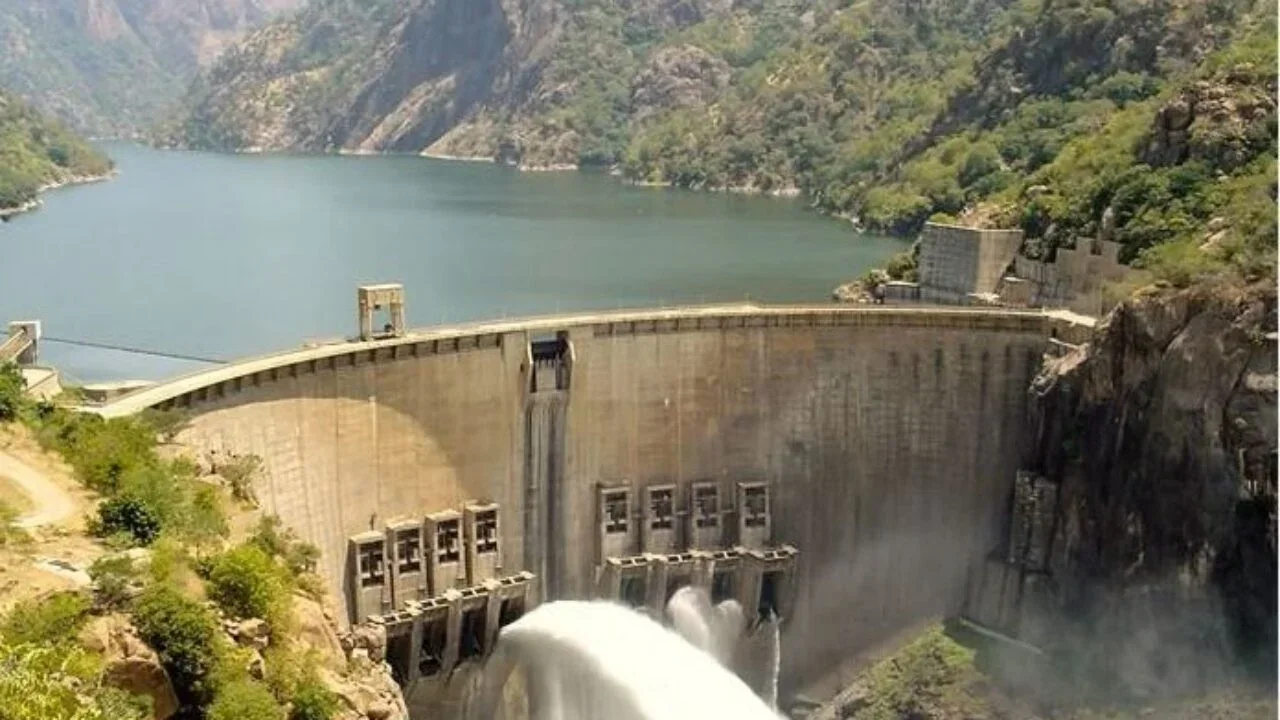
Lagdo Dam Not Releasing Water, FG Says as Flooding Spreads
The Federal Government has dismissed reports that Cameroon has released water from the Lagdo Dam into Nigeria, saying the flooding currently affecting parts of the country is mainly the result of intense and prolonged rainfall.
/ You Might Also Like /




The Nigeria Hydrological Services Agency (NiHSA) said the Lagdo Dam is currently impounding water rather than releasing it, following reports circulating on social media that a discharge from the reservoir was responsible for flooding in parts of the Benue River Basin, particularly Benue and Taraba states.
NiHSA Director-General and Chief Executive Officer, Umar Ibrahim Mohammed, said reservoir data showed that the water level at Lagdo stood at 209.82 metres, compared with its maximum operating level of 216 metres, leaving 6.18 metres of available capacity.
NiHSA Says Lagdo Dam Is Currently Impounding Water
According to NiHSA, the available reservoir capacity indicates that the Lagdo Dam is not currently releasing water into the Benue River system.
The agency said any future release capable of affecting downstream communities in Nigeria would follow established dam-management procedures and would be communicated through official channels.
NiHSA urged Nigerians to disregard unverified claims circulating through social media and other informal platforms, stressing that inaccurate information could increase public anxiety during an already difficult flood season.
The clarification is particularly significant because previous releases from the Lagdo Dam have contributed to flooding concerns in Nigeria, making the reservoir a recurring source of public attention during the rainy season.
Heavy Rainfall Identified as Main Driver of Current Flooding
NiHSA attributed the flooding currently being recorded in several parts of Nigeria mainly to flash floods caused by intense and prolonged rainfall.
The agency also identified poor drainage systems, indiscriminate waste disposal and unauthorised urban development as factors worsening the impact of heavy rainfall.
These factors are particularly important for Nigeria's rapidly expanding urban centres, where inadequate drainage capacity and development in flood-prone areas can increase exposure to flood damage.
NiHSA said the Federal Ministry of Water Resources and Sanitation continues to monitor the Lagdo Reservoir, inland rivers and other water systems while providing flood information and early warnings.
Kainji and Jebba Dams Also Within Normal Operating Levels
The government said the two major inland dams on the River Niger, Kainji and Jebba, are also not experiencing unusually high reservoir levels.
NiHSA reported that Kainji's reservoir level stood at 130.38 metres against a maximum operating level of 141.83 metres.
The Jebba reservoir was reported at 100.03 metres and was described as remaining within its normal operating range.
The figures suggest that current flooding cannot simply be attributed to unusually high water levels at the major inland reservoirs monitored by the agency.
Instead, the government's explanation places greater emphasis on rainfall intensity, surface runoff and weaknesses in urban drainage and flood management.
Flood Risk Raises Concerns for Homes and Property
The clarification has important implications for Nigeria's housing market because flooding remains one of the major risks affecting residential property, infrastructure and land development.
Where heavy rainfall overwhelms drainage systems, residential areas can experience flooding even without a major dam release. Poorly planned developments, blocked drainage channels and construction in natural flood paths can increase the vulnerability of homes and communities.
For developers and property investors, the situation reinforces the need to assess flood risk before acquiring land or developing housing projects.
Drainage capacity, topography, proximity to waterways and historical flood patterns should form part of development assessments, particularly in rapidly urbanising areas.
Poor Urban Planning Remains a Structural Challenge
NiHSA's reference to unauthorised urban development highlights a wider challenge facing Nigeria's housing sector.
Rapid population growth has increased demand for land and housing, while development controls have not always kept pace with urban expansion. As a result, construction can occur in areas that lack adequate drainage infrastructure or where development can obstruct natural water channels.
The consequences extend beyond individual properties. Flooding can damage roads, bridges, electricity infrastructure, commercial premises and public facilities, increasing the cost of maintaining urban areas.
For policymakers, flood resilience therefore needs to form part of housing and urban development policy rather than remain solely an emergency-response issue.
Flooding Can Affect Property Values and Housing Supply
Persistent flood exposure can also influence the attractiveness and value of residential property.
Areas with recurring flooding may face higher maintenance costs, insurance challenges and weaker demand from prospective buyers and tenants. Property owners may also face repeated repair costs following damage to buildings, foundations, electrical systems and household contents.
At the same time, flood-prone areas can become increasingly difficult to develop sustainably without significant investment in drainage and flood-control infrastructure.
This makes coordinated infrastructure planning essential. New housing developments need roads, drainage, water systems and other infrastructure capable of supporting both existing and projected population levels.
Government Monitoring Remains Critical
NiHSA said it would continue monitoring the Lagdo Reservoir and other inland water systems and provide impact-based flood information and early warnings.
The agency's position also places greater emphasis on official communication as flooding concerns increase.
The distinction between dam-related flooding and rainfall-induced flooding matters for emergency planning. Authorities need reliable hydrological data to determine where flood risks are developing and to issue timely warnings to communities.
For residents, businesses and property owners, timely warnings can provide an opportunity to move people, vehicles and valuable property away from exposed locations before floodwaters rise.
The Need for Better Flood-Resilient Development
The current flooding episode reinforces the importance of integrating flood resilience into Nigeria's housing and infrastructure planning.
While the Federal Government has ruled out a current Lagdo Dam release, the recurring concern around the reservoir demonstrates the need for stronger cross-border water management, better hydrological monitoring and clearer communication between Nigeria and Cameroon.
Domestically, the focus must also extend to drainage, waste management, land-use enforcement and resilient infrastructure.
For Nigeria's housing market, reducing flood exposure will require more than emergency responses after rainfall. Developers, planning authorities and policymakers will need to place greater emphasis on where and how housing is built.
Outlook
The Federal Government's clarification provides reassurance that the current flooding is not being caused by a fresh release from the Lagdo Dam. However, the continuing impact of heavy rainfall demonstrates the vulnerability of communities where drainage and urban planning systems remain inadequate.
As Nigeria's cities continue to expand, flood-risk management will become increasingly important to protecting housing stock, infrastructure and property investment.
The immediate priority remains protecting lives and property, while the longer-term challenge is ensuring that new housing and urban development takes place alongside adequate drainage, environmental controls and climate-resilient infrastructure.
READ MORE