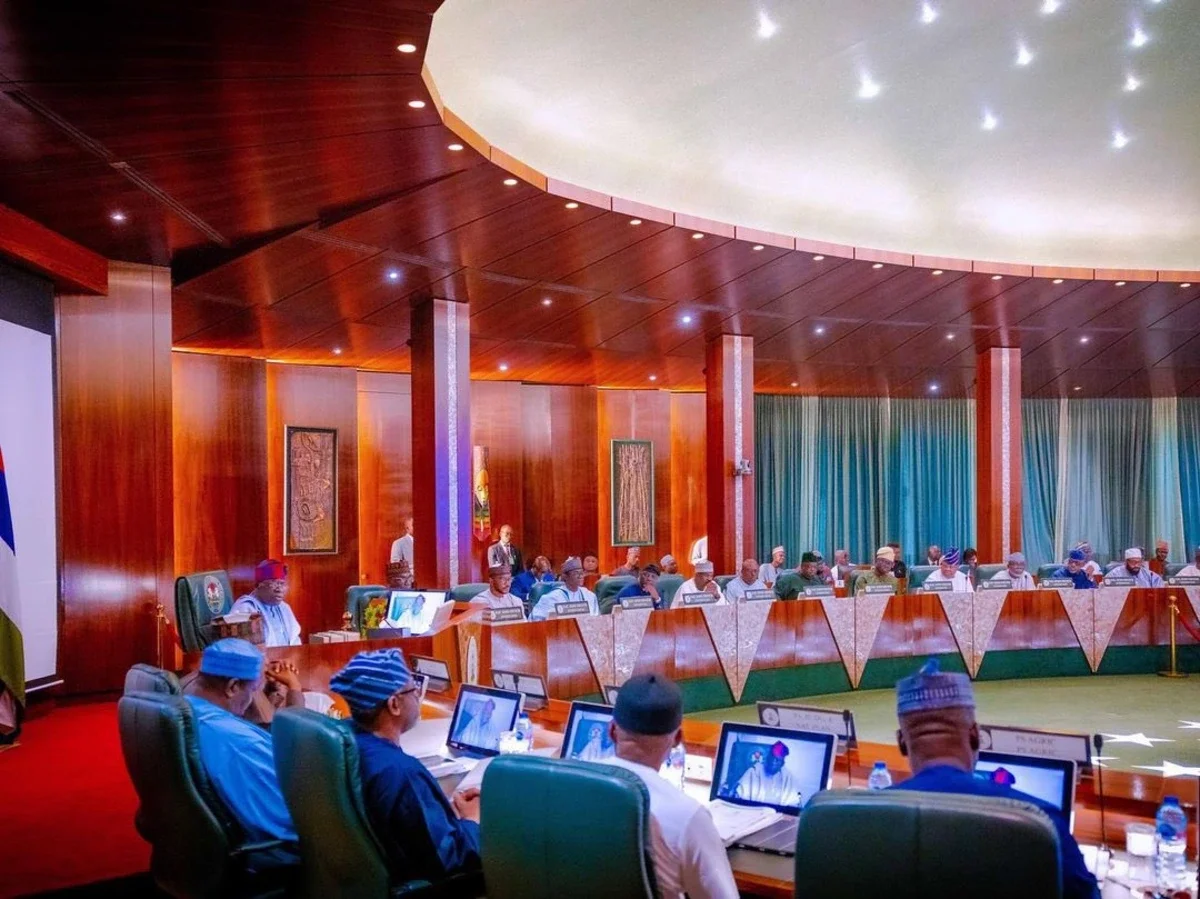
Nigeria’s Economic Summit Puts Security at the Centre of Growth Agenda
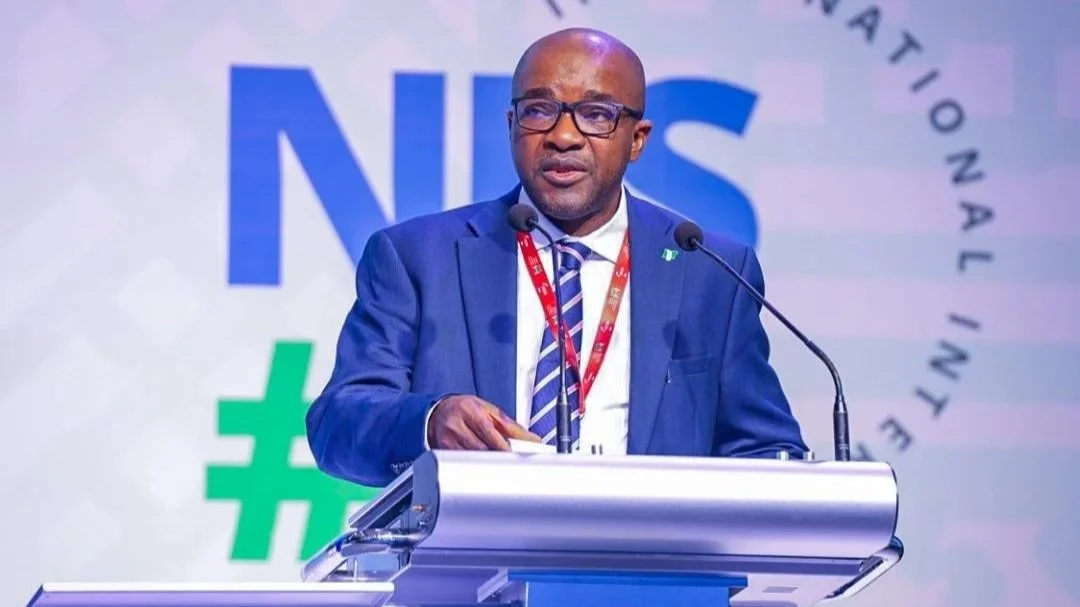
The 32nd Nigerian Economic Summit will examine security as a foundation for economic growth
The 32nd Nigerian Economic Summit will place security at the centre of discussions on Nigeria’s economic growth, with planned sessions examining how insecurity affects agricultural production, critical infrastructure, oil revenues and investor confidence.
/ You Might Also Like /




The summit, organised by the Nigerian Economic Summit Group (NESG), is scheduled to hold on 26 and 27 October 2026 at the Transcorp Hilton Hotel in Abuja. Under the theme “Growth that Works: Delivering Jobs, Productivity and Shared Prosperity”, the event will include a Secure Nigeria dialogue focused on strategies to protect productive activities and support sustainable economic development.
The discussions will bring together policymakers, business leaders, security experts, community representatives and development partners to consider security interventions that can reduce economic losses and improve conditions for investment.
Insecurity Continues to Disrupt Economic Activities
Insecurity across parts of Nigeria has affected farming, energy production and the operation of critical infrastructure, creating challenges for businesses and communities.
In the North-West, North-Central and North-East, banditry, terrorism and farmer-herder conflicts have displaced farming households and restricted access to agricultural land. These disruptions threaten food production and contribute to pressure on food availability and prices.
The summit will examine measures to restore access to farmland, including community-based security arrangements, the deployment of law enforcement in important agricultural corridors and technology-enabled early-warning systems.
Discussions will also consider the resource competition and local conflicts that contribute to farmer-herder violence, with the aim of identifying approaches that combine security operations with longer-term conflict prevention.
Protecting Critical Infrastructure Becomes a Priority
Attacks on power transmission equipment and telecommunications infrastructure remain another concern for economic activity.
Damage to electricity infrastructure can interrupt power supply, while vandalised telecommunications equipment can disrupt connectivity, digital payments and access to online services. Such incidents create additional costs for businesses and households that depend on reliable electricity and communications.
The Secure Nigeria dialogue will consider a framework for protecting critical infrastructure through physical security, community engagement, faster repair arrangements and stronger legal deterrents against vandalism and attacks.
Improved protection could help infrastructure operators reduce disruptions and support investment in essential services. However, the impact will depend on the effectiveness of enforcement, coordination among relevant institutions and the ability to prevent repeated attacks.
Oil Theft Threatens Government Revenue and Investment
Oil theft and attacks on energy infrastructure will also feature in the summit's security discussions.
Crude oil theft reduces the volume of petroleum available for legitimate sales, putting pressure on export earnings and government revenue. Attacks on oil facilities can also increase maintenance costs and discourage investment in expanding production.
The summit will examine possible responses, including improved monitoring technology, greater transparency across the oil value chain, stronger enforcement and closer engagement with communities in the Niger Delta.
The proposed approach recognises that protecting oil production requires more than operational security. It also involves addressing the networks that facilitate theft and strengthening relationships between energy operators and host communities.
Insecurity Raises Risks for Investors
Security conditions can influence where businesses commit capital and how they assess the cost of operating in a country.
When production zones are unsafe or infrastructure remains vulnerable to attacks, investors may face higher operating expenses, disruption risks and uncertainty over expected returns. These concerns can affect financing decisions and discourage long-term investment.
The NESG argues that improving security could reduce direct economic losses while strengthening confidence in Nigeria as a destination for productive investment.
For businesses considering projects in agriculture, energy, manufacturing and infrastructure, more reliable security could improve operational planning and reduce exposure to interruptions. Nevertheless, security improvements would need to be sustained and supported by predictable policies and effective institutions to produce lasting investment benefits.
Summit to Explore Wider Responses to Insecurity
The summit's approach extends beyond military and law-enforcement operations to include economic, social and governance measures.
Its discussions will examine how employment programmes, social protection, community investment and conflict-sensitive governance could complement security interventions. Poverty, inequality, unemployment and social exclusion are identified as factors that can contribute to insecurity in affected communities.
The proposed approach seeks to connect immediate security needs with measures that address the conditions sustaining conflict. The challenge will be to translate these discussions into coordinated programmes with clear responsibilities, adequate resources and measurable outcomes.
Implementation Will Shape the Economic Benefits
The 32nd Nigerian Economic Summit is expected to provide a platform for stakeholders to develop a shared agenda for improving security and protecting Nigeria’s productive assets.
Its discussions will cover agricultural access, critical infrastructure, oil production, community stability and investor confidence. These areas are closely connected to the country's ability to sustain production, create jobs and attract long-term investment.
The economic benefits, however, will depend on what follows the summit. Effective coordination, consistent enforcement and practical implementation will be essential to reducing security-related disruptions.
The event's central question is how Nigeria can translate security commitments into safer production zones, more reliable infrastructure and a more predictable operating environment for businesses.
READ MORE