Single Digit Inflation Could Save Nigeria $10bn, Says Oyedele
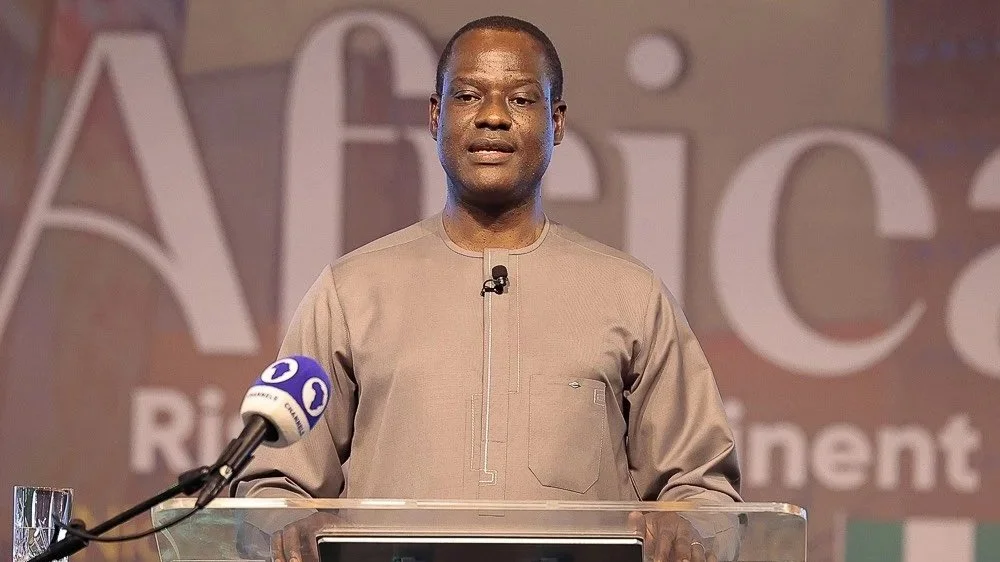
Finance Minister Taiwo Oyedele says single-digit inflation could reduce Nigeria’s fiscal costs
Nigeria could save the government more than $10 billion by bringing inflation and interest rates into single digits, Finance Minister Taiwo Oyedele has said, highlighting the potential fiscal benefits of lower borrowing costs and improved price stability.
/ You Might Also Like /




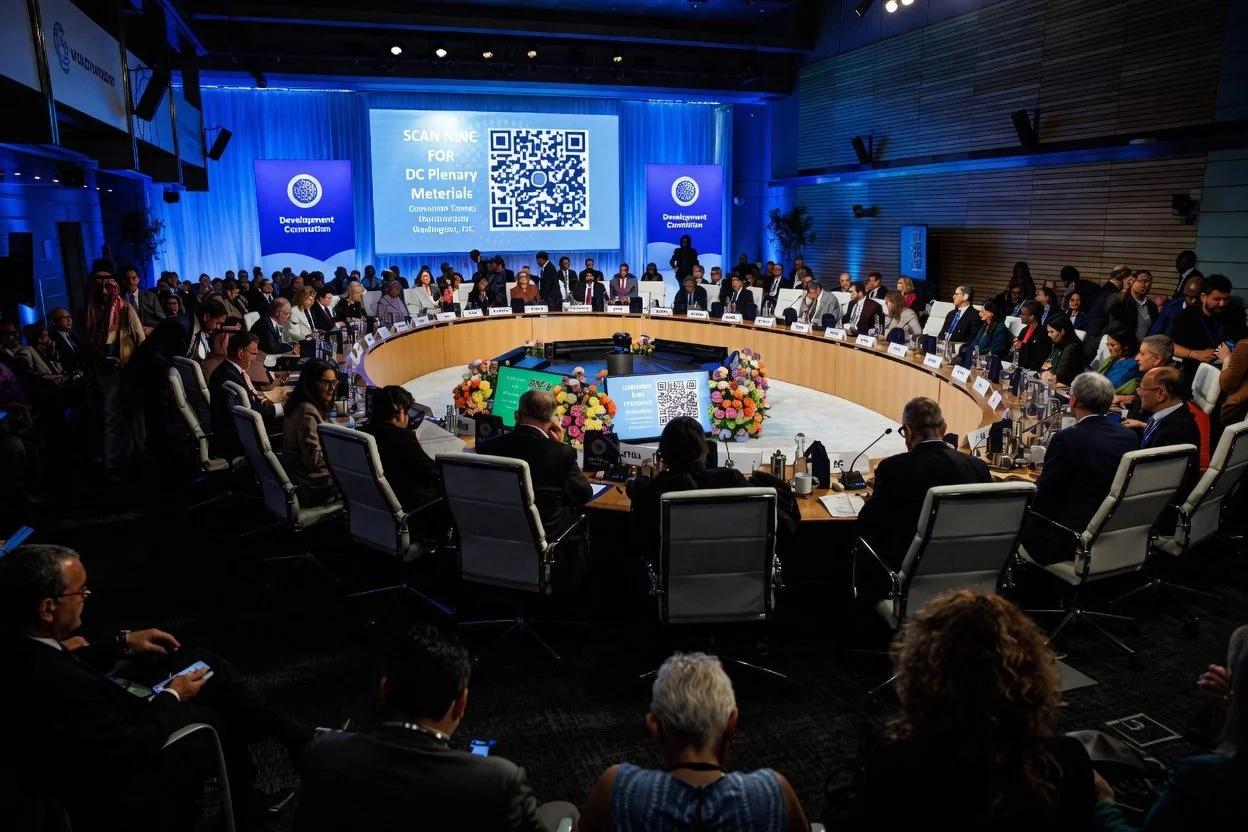
Oyedele made the disclosure on the sidelines of the International Monetary Fund (IMF) and World Bank Group Annual Meetings in Bangkok, Thailand, where he discussed the importance of closer coordination between monetary and fiscal authorities as Nigeria moves towards an inflation-targeting framework.
He said the government considers reducing inflation a priority because sustained price moderation could create the conditions for lower interest rates, easing pressure on public finances.
The estimated savings are based on 2026 figures and represent a potential benefit rather than money the government has already saved.
Single-Digit Inflation Could Reduce Government Costs
Oyedele said bringing inflation down to single digits would help create conditions for interest rates to reach similar levels, potentially saving the government more than $10 billion.
High interest rates increase the cost of borrowing for governments, businesses and households. For the Federal Government, expensive debt financing can raise debt-servicing obligations and limit the resources available for infrastructure, public services and other budget priorities.
Lower interest rates could reduce financing costs on new borrowing and, depending on debt structure and refinancing conditions, ease some pressure on existing obligations.
However, the scale of the potential savings would depend on how quickly inflation declines, the response of interest rates and the government’s borrowing requirements.
Oyedele did not provide a detailed breakdown of the projected $10 billion saving or specify the timeframe over which the government could realise the full benefit.
CBN’s Inflation-Targeting Framework Takes Centre Stage
The finance minister said coordination between fiscal and monetary authorities had become increasingly important as the Central Bank of Nigeria prepares to make inflation targeting a central part of its monetary policy framework.
Inflation targeting involves setting an explicit objective for price stability and using monetary policy to guide inflation towards that objective. It also requires clear communication and credible decisions to help households, businesses and investors form expectations about future prices.
The approach places greater emphasis on managing inflation over time rather than responding only to changes in individual prices or short-term economic conditions.
Oyedele said the government was strengthening collaboration with monetary authorities to support the transition.
Fiscal decisions also influence inflation through government spending, revenue collection and borrowing. Greater coordination could help align public finances with monetary policy objectives, although the results would depend on the consistency and effectiveness of implementation.
Inflation Eases as Households Continue to Feel the Pressure
Nigeria’s headline inflation rate eased marginally to 15.39% in August 2026, from 15.43% in July, according to the National Bureau of Statistics. The decline extended the moderation in annual inflation for a third consecutive month.
However, lower inflation does not necessarily mean that prices are falling. It generally means that prices are increasing at a slower rate than before, while the higher cost of goods and services remains part of household spending.
A Central Bank of Nigeria survey reported by Nairametrics showed that the proportion of households perceiving inflation as high rose to 77.2% in September 2026, from 67.2% in August.
The figures highlight the difference between the official inflation rate and how households experience changes in the cost of living.
For consumers, sustained price stability could make it easier to plan spending and manage income. However, the impact would also depend on wage growth, employment opportunities and the prices of essential goods and services.
Lower Interest Rates Could Support Economic Activity
A sustained decline in inflation could give the CBN more room to reduce interest rates if economic conditions support monetary easing.
Lower borrowing costs could help businesses finance operations, invest in equipment and expand production. Households could also benefit if banks reduce lending rates on personal loans, business credit and mortgages.
However, changes in the CBN’s policy rate do not automatically translate into equivalent reductions in commercial lending rates. Banks also consider their funding costs, credit risks and borrowers’ ability to repay when determining loan prices.
The effect on investment would therefore depend on how monetary policy changes feed through to the wider financial system and whether businesses and consumers gain greater access to affordable credit.
IMF Raises Nigeria’s Economic Growth Forecast
The IMF raised its forecast for Nigeria’s economic growth in 2026 to 4.2% and projected growth of 4.3% in 2027 in its October 2026 World Economic Outlook.
The projections provide a broader economic backdrop for the government’s focus on inflation reduction and fiscal management.
Stronger economic growth can support government revenue and business activity, but its benefits depend on the sectors driving expansion and how growth translates into employment, incomes and productivity.
For policymakers, the challenge is to sustain economic activity while reducing inflation and limiting the cost of public borrowing.
Lower inflation could support more predictable economic planning, while reduced interest rates could improve financing conditions. Both outcomes, however, depend on sustained progress rather than a short-term decline in the inflation rate.
Government Savings Depend on Sustained Price Stability
Oyedele’s projection links Nigeria’s inflation objective directly to the cost of managing public finances.
Achieving single-digit inflation could help create room for lower interest rates and reduce the government’s financing burden. The extent of the benefit would depend on the durability of disinflation, borrowing conditions and the government’s fiscal position.
For households and businesses, the broader objective is to see price stability translate into more predictable expenses, improved purchasing power and more affordable credit.
The government’s challenge will be to turn its inflation target into sustained results while ensuring that fiscal and monetary policies remain aligned. Until inflation and interest rates fall to the targeted levels, the projected $10 billion saving remains a potential fiscal gain rather than a realised outcome.
READ MORE