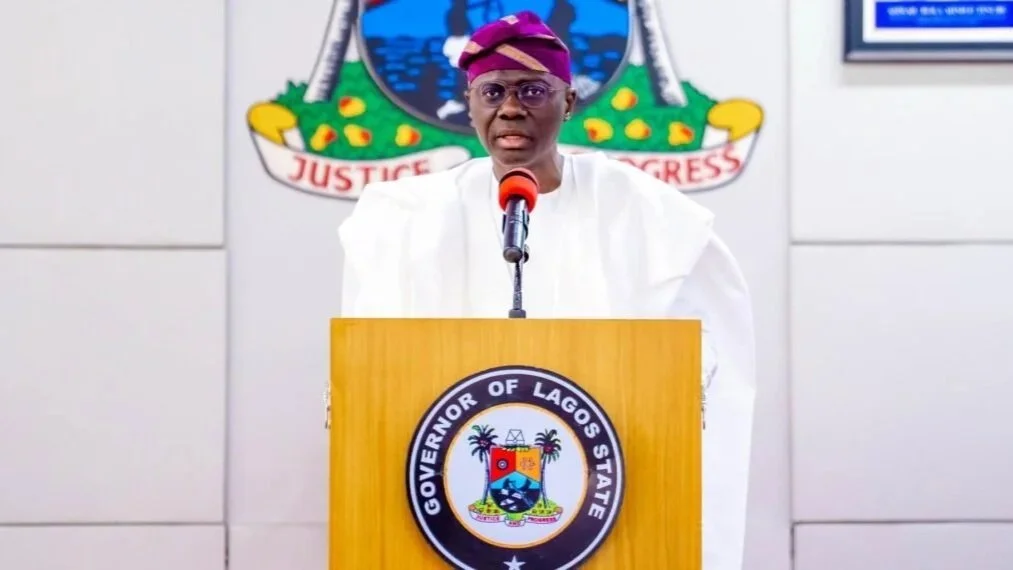
Sanwo-Olu Unveils Plan to Extend Red Line Rail Beyond Lagos
Lagos State Governor Babajide Sanwo-Olu has confirmed ongoing discussions to extend the Lagos Red Line rail into Ogun State. The proposed expansion aims to improve regional connectivity, ease commuter congestion, and strengthen the integration of transport systems across state boundaries.
Expansion of Regional Rail Connectivity
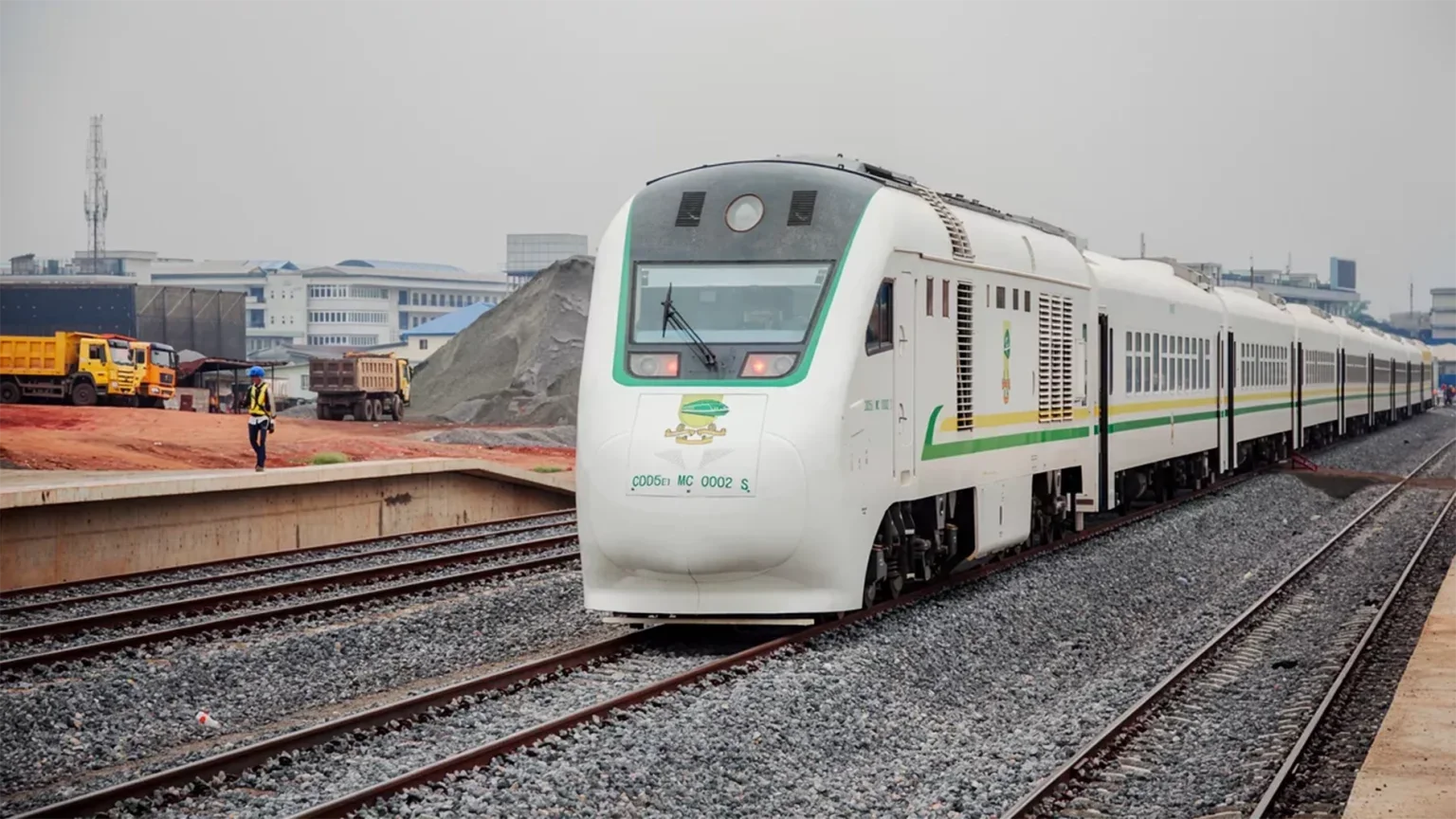
The Red Line rail, a core component of Lagos’ mass transit infrastructure, currently operates between Oyingbo and Agbado. Phase 1 of the project is already in service, while Phase 2 extending to Marina is under construction and will connect with the Blue Line.
/ You Might Also Like /




The planned extension into Ogun State represents the next phase of the project’s evolution. According to the Lagos State Government, the initiative reflects a broader strategy to develop an integrated transport system that combines rail, road, and water networks.
Addressing Cross-Border Commuter Pressure
The Lagos-Ogun corridor remains one of Nigeria’s busiest commuter routes, with a significant number of workers residing in Ogun State and travelling daily into Lagos.
Sanwo-Olu emphasised that the Red Line was designed to accommodate high passenger volumes, with the capacity to transport up to 500,000 commuters daily at full operation.
Extending the rail line into Ogun State is expected to reduce travel time, ease pressure on road infrastructure, and provide a more efficient alternative to road transport along this corridor.
Infrastructure Investment and Capacity Expansion
The Lagos State Government continues to invest in scaling the Red Line’s capacity. Recent additions include new train sets aimed at improving service frequency and reducing wait times for passengers.
The Red Line, spanning approximately 37 kilometres, forms part of the Lagos Rail Mass Transit (LRMT) master plan, which envisions multiple interconnected rail lines across Lagos and neighbouring regions.
The extension into Ogun State aligns with this long-term vision of a regional rail network capable of supporting economic activity and urban expansion.
Implications for Housing and Urban Development
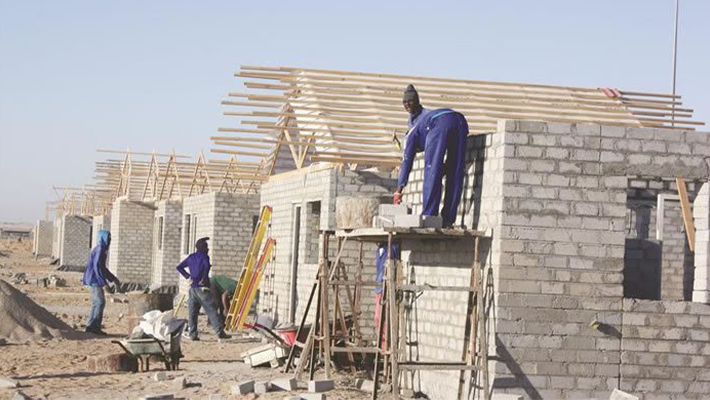
Improved rail connectivity between Lagos and Ogun State carries significant implications for housing and urban development. Enhanced transport links can stimulate residential growth in peri-urban and satellite communities, where land is more affordable.
For developers and investors, the extension could unlock new opportunities in transit-oriented development, where housing projects are integrated with transport infrastructure. This approach supports more efficient urban planning and reduces the cost of commuting for residents.
Policy and Investment Outlook
The proposed extension underscores the importance of inter-state collaboration in infrastructure planning. Successful implementation will require coordination between Lagos and Ogun State governments, as well as alignment on funding, land use, and regulatory frameworks.
For investors, the project reinforces Lagos’ commitment to long-term infrastructure development and urban mobility. Rail investments of this scale typically generate multiplier effects across real estate, logistics, and commercial activity.
Governor Sanwo-Olu’s confirmation of plans to extend the Red Line rail into Ogun State signals a strategic shift toward regional transport integration. The initiative has the potential to transform commuting patterns, support housing expansion, and enhance economic connectivity between two of Nigeria’s most dynamic states.
Execution and intergovernmental coordination will determine the pace and impact of the project, but the direction of policy clearly prioritises scalable, high-capacity transport solutions for sustained urban growth.
READ MORE