Nigeria Loses ₦428bn Yearly to Illicit Spirits Market
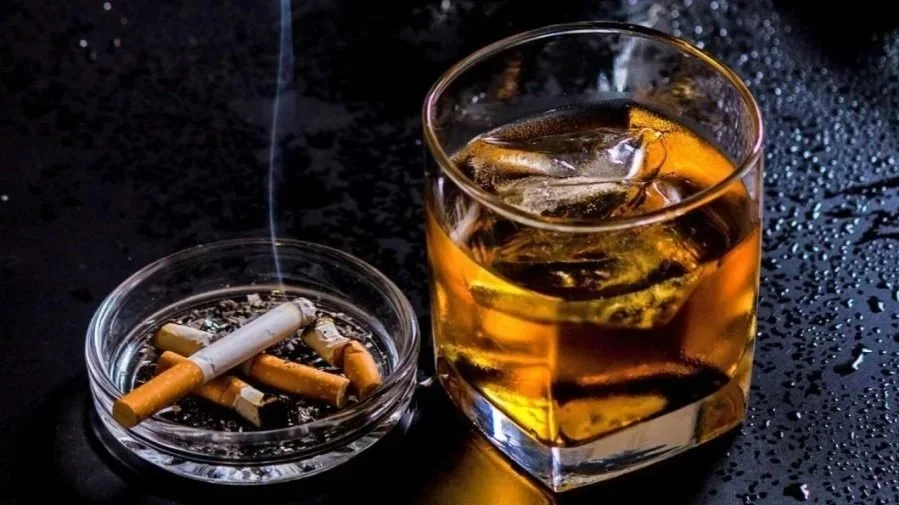
Nigeria loses an estimated ₦428 billion annually to illicit trade in alcoholic beverages, according to the Spirits and Wines Association of Nigeria. The disclosure highlights significant revenue losses, public health risks, and structural gaps in regulation across the country’s alcohol market.
/ You Might Also Like /




Scale of the Illicit Market
The Director-General of SWAN, Tony Okwoju, stated that illicit alcohol accounts for approximately 40 percent of the spirits and wines market in Nigeria. This implies that two out of every five bottles in circulation are illegal, including smuggled, counterfeit, or tax-evaded products.
The scale of the problem reflects both strong consumer demand for lower-cost alternatives and persistent weaknesses in enforcement and regulatory oversight. Industry stakeholders note that illicit trade spans multiple channels, from informal retail outlets to organised distribution networks.
Fiscal and Economic Implications
The estimated ₦428 billion annual loss represents a significant leakage in government revenue, particularly at a time when fiscal pressures remain elevated. Lost excise duties and VAT from illicit alcohol undermine public finance capacity and reduce funds available for infrastructure and social investment.
Beyond government revenue, the illicit market distorts competition by undercutting legitimate manufacturers and importers. This creates an uneven operating environment, discouraging formal sector investment and weakening industry growth.
Public Health Risks
Illicit alcohol poses serious health risks, particularly in cases involving counterfeit products. According to SWAN, while counterfeit alcohol represents a smaller share of the illicit market, it carries disproportionately higher health dangers due to unsafe production processes.
Unregulated production can involve harmful substances, increasing the risk of poisoning, long-term health complications, and fatalities. These risks place additional strain on public health systems and highlight the broader societal cost of illicit trade.
Industry Response and Policy Recommendations
The issue was discussed at a stakeholder workshop in Abuja, which brought together regulators, policymakers, and industry operators to develop coordinated responses. Over 800 participants attended the session, reflecting the scale and urgency of the challenge.
Stakeholders identified key drivers of illicit trade, including high taxation, regulatory gaps, and consumer preference for cheaper products. Proposed solutions include strengthening enforcement, improving inter-agency collaboration, and increasing public awareness of the risks associated with illegal alcohol.
Industry leaders also emphasised the need for balanced regulation to avoid unintended consequences, such as pushing consumers further toward informal markets.
Market Dynamics
Nigeria’s spirits market continues to expand, driven by population growth and changing consumption patterns. Bitters account for approximately 38 percent of the market, followed by whiskey and vodka at 15 percent each, and gin at 10 percent.
Affordability remains a key factor influencing consumer choices, with many consumers spending below ₦5,000 weekly on alcoholic beverages. This price sensitivity contributes to demand for lower-cost, often illicit, alternatives.
The ₦428 billion annual loss to illicit alcohol trade underscores a critical challenge for Nigeria’s economy, public health system, and regulatory framework. Addressing the issue will require coordinated policy action, stronger enforcement mechanisms, and sustained consumer education.
For policymakers and investors, the development highlights both the risks within the current market structure and the opportunity to formalise and expand a growing sector through effective regulation and compliance strategies.
READ MORE