REDAN Backs 2,400 Unit Abuja Estate as Private Sector Pushes Housing Supply

2,400-unit estate planned for Abuja’s Wasa District
The Real Estate Developers Association of Nigeria (REDAN) has backed the development of a proposed 2,400-unit residential estate in Wasa District, Abuja, as private developers seek to expand housing supply and improve access to homeownership in the Federal Capital Territory.
/ You Might Also Like /


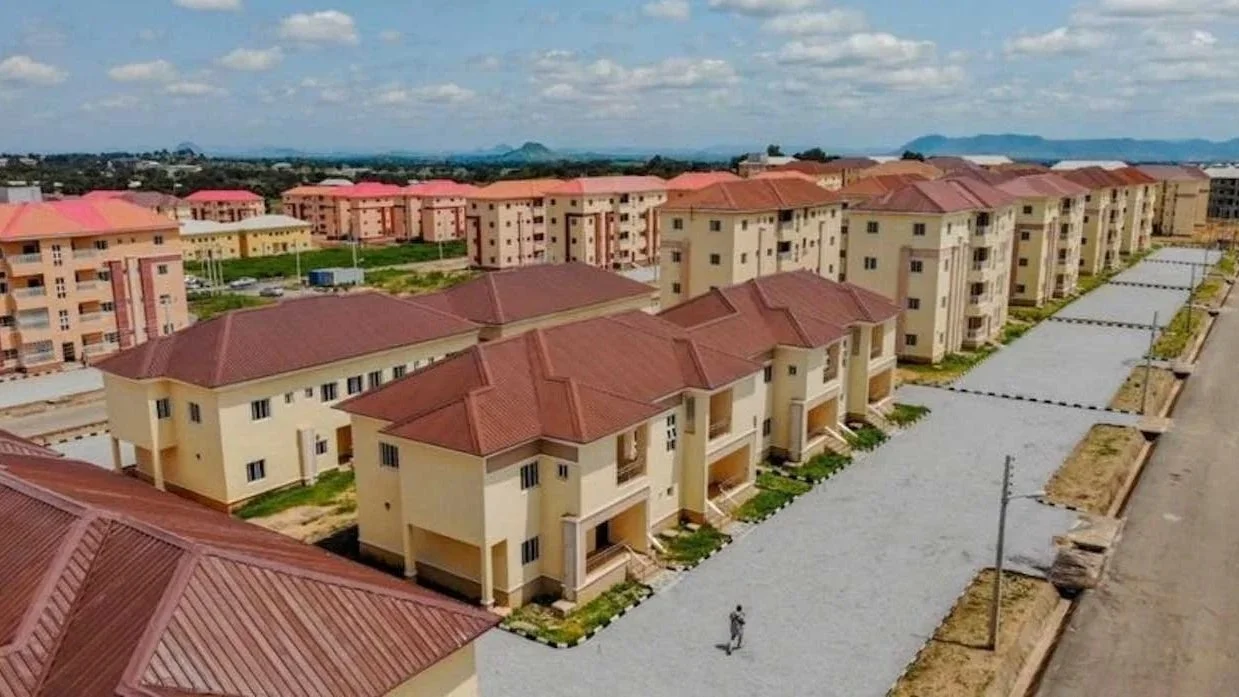

Known as The Embassy, the project is being developed by Crown Allied Global Realty and Homes Limited on approximately 101 hectares in the Abuja Municipal Area Council. The development will include two-bedroom flats, three-bedroom terrace houses, four-bedroom semi-detached and detached homes, as well as five-bedroom detached houses.
Private sector takes larger role in housing delivery
The project reflects the growing role of private developers in expanding Nigeria’s housing stock, particularly as public resources remain insufficient to meet demand.
Gbadewole Amos Kayode, Managing Director and Chief Executive Officer of Crown Allied Global Realty and Vice Chairman of REDAN’s Abuja chapter, said the development was conceived as part of the private sector’s contribution to increasing housing supply.
He also called for greater collaboration between developers, government institutions and housing-finance providers to support large-scale housing delivery.
The Federal Government’s National Housing Data Technical Committee estimated Nigeria’s housing deficit at 14.925 million units in 2025. The committee identified population growth, urbanisation, inadequate supply, land and title constraints and limited access to long-term housing finance among the factors contributing to the shortfall.
Project includes different housing options
The Embassy estate is planned to provide a mix of housing types targeting different segments of the residential market.
The development will include two-bedroom flats and larger terrace, semi-detached and detached properties. This range could allow the project to serve both first-time buyers and households seeking larger homes, although the eventual affordability of the units will depend on their final prices and financing terms.
The developer said land and property options would start from about ₦7.5 million, while a 1,000-square-metre plot was advertised at approximately ₦50 million. These figures represent advertised starting prices and do not necessarily indicate the final cost of completed homes.
Flexible payment and mortgage financing planned
Financing remains central to the project's proposed homeownership strategy.
According to the developer, prospective buyers will have access to flexible payment arrangements that allow an initial payment followed by instalments over six months.
Mortgage financing is also expected to support the purchase of some housing units, particularly flats. The developer identified the Federal Mortgage Bank of Nigeria as a potential financing partner, alongside Primary Mortgage Institutions.
The financing structure will be important to the project's affordability prospects. Lower upfront payments can widen access to buyers, but the overall cost of borrowing, repayment period, household income and mortgage eligibility will ultimately determine whether the homes remain accessible to the intended market.
Commercial district planned within the estate
The development is not limited to residential buildings.
Approximately 20 hectares of the proposed estate will be designated for commercial activities, including shops, hotels, pharmaceutical businesses, electronics outlets and other services.
The planned commercial district could support a mixed-use development model, allowing residents to access some services within the estate while creating opportunities for businesses and property investors.
For Abuja's expanding residential districts, the integration of commercial facilities can also reduce dependence on distant urban centres and support local economic activity.
Solar power and electric vehicle facilities
The developer also plans to incorporate energy-related features into the estate.
According to Kayode, the development will rely substantially on solar energy and include electric-vehicle charging facilities within residential buildings.
For a large residential development, energy infrastructure is an important consideration because electricity costs and reliability affect both household expenses and the operating costs of common facilities.
The project's use of solar power will therefore be relevant to buyers and investors, although the long-term affordability of the homes will depend on the total cost of ownership rather than the energy system alone.
Wasa positioned for further development
The developer selected Wasa District based on its potential to become a major residential and commercial centre within the Federal Capital Territory.
Kayode said the area has access to roads, electricity and water and that the company had secured a Certificate of Occupancy issued by the Federal Capital Development Authority for the project site.
Infrastructure and land documentation remain important considerations for property development in emerging parts of Abuja. Reliable access, utilities and secure title can improve the attractiveness of new residential districts and reduce some of the risks associated with developing peripheral locations.
Project expected to support construction employment
The development is also expected to create employment across the construction and property value chain.
The developer estimates that more than 3,000 direct and indirect jobs could be created during construction. These opportunities are expected to extend across engineering, building, construction materials, artisanship, consulting and property services.
Beyond direct employment, a large housing development can generate demand for building materials, logistics, professional services and commercial activities within surrounding communities.
Financing and delivery remain critical
While the proposed development adds to Abuja's pipeline of new housing, actual delivery will determine its impact on the market.
REDAN has identified consistent government policies, improved land administration, affordable construction finance, accessible mortgages and stronger collaboration with credible developers as important requirements for reducing Nigeria's housing shortage.
For The Embassy, access to financing will be particularly important given the scale of the project. Developers must secure sufficient funding to maintain construction schedules, while prospective buyers need financing arrangements that match household incomes and repayment capacity.
The project's advertised affordability will also need to be assessed against the final prices of completed homes, mortgage interest rates and associated costs such as infrastructure, service charges and documentation.
Outlook for Abuja housing supply
The proposed 2,400-unit Wasa estate adds a significant private-sector project to Abuja's housing development pipeline and highlights the role of large-scale developers in expanding supply.
Its potential impact will depend on how quickly the units move from construction plans to completed homes and whether the financing arrangements allow a meaningful number of households to purchase them.
For Abuja's housing market, the project also illustrates the importance of combining residential development with infrastructure, commercial activity, secure land documentation and accessible housing finance. These factors will remain central to determining whether new developments can expand supply while reaching households that need affordable housing.
READ MORE