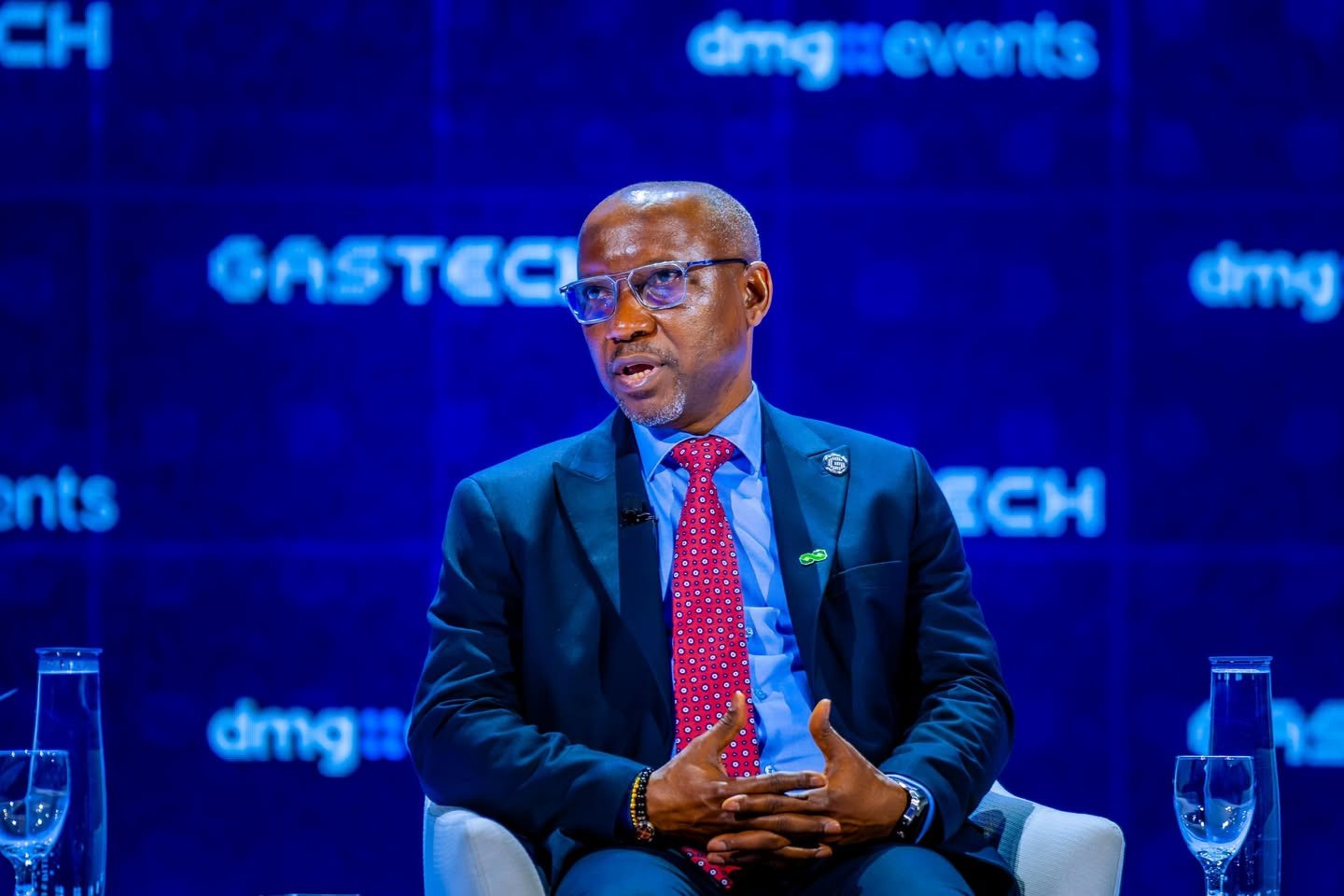
Professor Urges Estate Surveyors to Build Real Estate Firms That Outlive Their Founders
Estate Surveyors Urged to Build Firms Beyond Founder Dependence
Real estate professionals have been urged to build resilient organisations capable of maintaining strong performance beyond the departure of their founders.
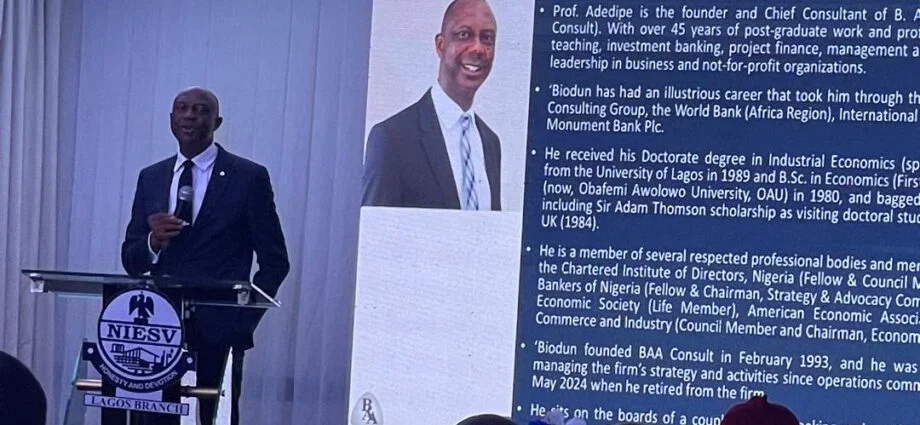
Professor Biodun Adedipe, Founder of B. Adedipe Associates Ltd., made the call while delivering the keynote address at the 2026 Heads of Practice Assembly of the Nigerian Institution of Estate Surveyors and Valuers (NIESV), Lagos State Branch.
/ You Might Also Like /




The assembly was held under the theme “Leadership in Real Estate: Navigating 21st Century Challenges for Heads of Practice.”
Stronger Systems Needed
Speaking on “Building Resilient Practices for the 21st Century: Beyond Founder and Leader,” Adedipe said professional firms should not depend excessively on their founders for day-to-day operations or strategic direction.
He identified strategy, systems and people as the three pillars required to build organisations capable of sustaining growth.
He urged firms to document their policies, establish clear procedures and develop efficient business processes that allow employees to perform effectively even when the founder is unavailable.
Talent and Financial Discipline
Adedipe also encouraged real estate firms to invest in talent development and collaboration while ensuring that employees understand the organisation's vision and their individual responsibilities.
He advised founders to separate their personal finances from company resources, arguing that retaining funds within businesses would improve their capacity to finance growth without excessive reliance on borrowing.
Technology Reshaping Real Estate
Managing Partner of Chris Davidson Advisory, Babatunde Bamgboye, called on estate surveyors to embrace transformational leadership as technology continues to reshape the real estate industry.
He highlighted innovations such as advanced composite building materials, which he said could help reduce construction costs, improve energy efficiency and contribute to efforts to address Nigeria's housing deficit.
Implications for Nigeria's Real Estate Industry
The emphasis on institutional resilience comes at a time when Nigeria's property sector is becoming increasingly complex, with developers and professional firms facing rising construction costs, financing constraints, regulatory changes and rapid technological developments.
For the housing market, stronger professional firms can improve project management, property valuation, consultancy and investment decisions. Institutionalising knowledge and business processes could also reduce disruption when key individuals leave an organisation.
The discussion also reinforces the broader need for professionalism across Nigeria's built environment. Earlier this month, the Real Estate Developers Association of Nigeria (REDAN) similarly called for stronger regulation of developers, arguing that greater accountability could reduce fraud, multiple land sales and building collapses.
Why It Matters
For investors and property owners, the strength of the professional firms managing real estate assets can directly affect project performance, governance and long-term value.
Building firms that outlive their founders could therefore contribute to a more institutionalised property industry, with greater continuity, accountability and capacity to deliver complex housing and real estate projects.
Outlook
As Nigeria's real estate industry matures, professional firms will increasingly need to move from founder-led structures towards institutionalised businesses driven by systems, talent and technology. The ability to maintain performance through leadership transitions could become an important measure of the sector's long-term professionalisation.
READ MORE