Nigeria Revives Libya Gas Pipeline Plan as FG Seeks New LNG Markets
Nigeria advances gas pipeline plans
Nigeria has renewed efforts to advance the proposed Nigeria-Libya Gas Pipeline as the Federal Government seeks to expand international markets for the country's natural gas and attract fresh investment into gas production and infrastructure.
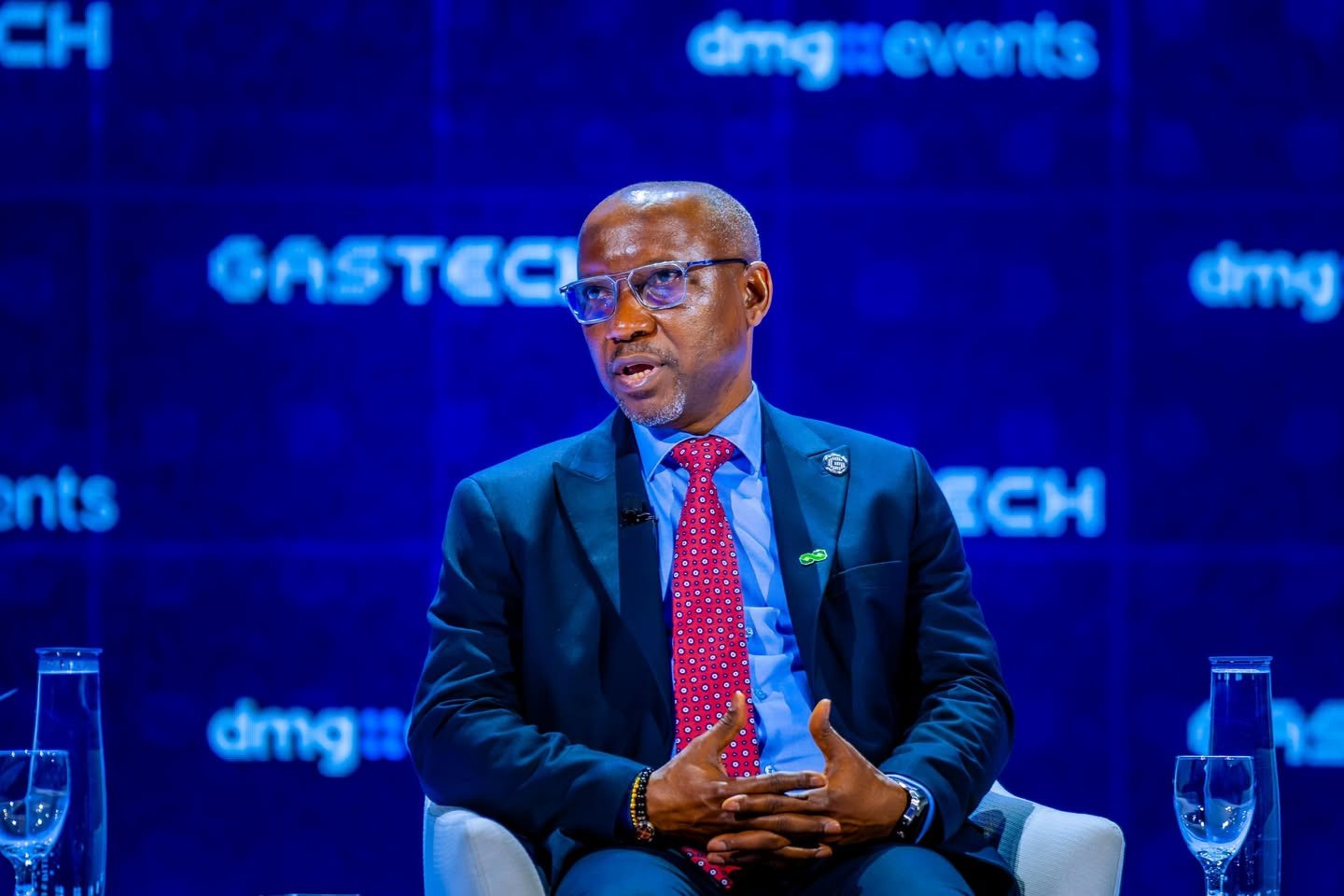
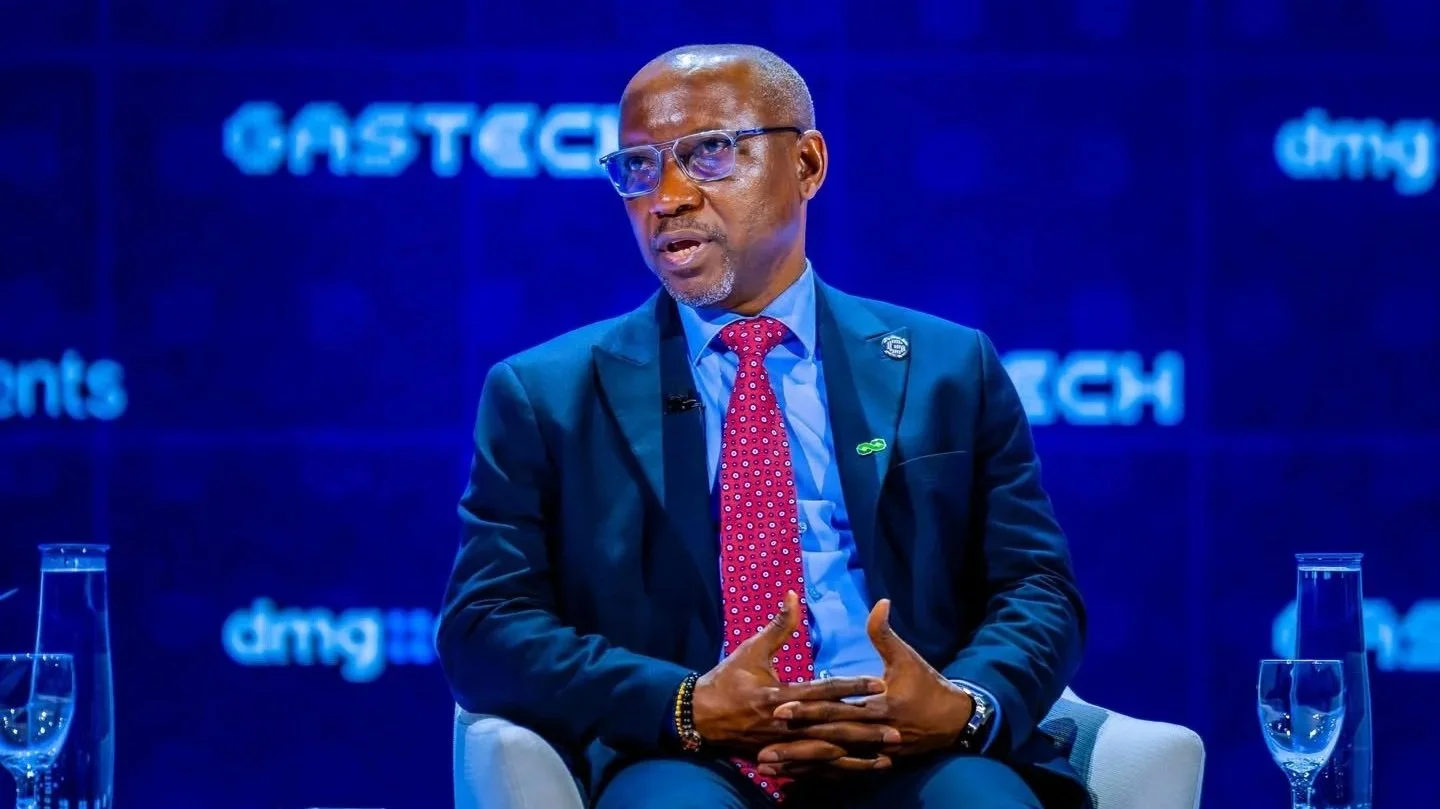
The Minister of State for Petroleum Resources (Gas), Ekperikpe Ekpo, disclosed the development during high-level engagements with energy companies, investors and government representatives at Gastech 2026 in Bangkok, Thailand.
/ You Might Also Like /




The renewed discussions with Libya's Minister of Oil and Gas, Khalifa Rajab Abdulsadek, are expected to move the pipeline proposal towards a more structured project framework, including the possible development of a Memorandum of Understanding and the establishment of a joint technical team.
Nigeria-Libya Pipeline Moves Towards Project Framework
Under the proposed arrangement, Nigeria and Libya would assess the feasibility and commercial viability of the pipeline, alongside its financing requirements, infrastructure needs and security considerations.
NNPC Limited is expected to lead Nigeria's participation in the bilateral initiative.
If developed, the pipeline would provide another potential route for transporting Nigerian gas through North Africa towards European markets, giving the country an additional export channel beyond existing LNG infrastructure.
The latest development follows earlier efforts to advance a broader transcontinental gas corridor linking Nigeria with European markets. In March 2026, the Federal Government was already discussing a proposed $20 billion pipeline project designed to transport Nigerian gas towards Europe.
Government Targets Wider LNG Market
The pipeline discussions form part of a wider strategy to expand Nigeria's gas production, infrastructure and export markets.
At Gastech, Nigeria also held discussions with Bangladesh, where the country's Minister for Power, Energy and Mineral Resources expressed interest in sourcing Nigerian LNG and crude oil.
Nigeria also engaged the United States on gas investment, technology deployment and energy security, while discussions with Senegal focused on cooperation across the oil and gas value chain, including gas development and local content.
These engagements indicate that the government's gas strategy extends beyond a single export route, with efforts focused on developing multiple international markets and partnerships.
Gas Production and Infrastructure Expansion
Domestic gas production was another major component of the discussions.
Seplat Energy outlined initiatives that could increase its gas production to as much as two billion standard cubic feet per day through its ANOH project, western operations and offshore fields.
The company also discussed projects including Oso Floating LNG, UTM FLNG and Ibom LNG, alongside financing partnerships and plans for an industrial park around the Qua Iboe Terminal corridor.
The proposed industrial park could support gas-based industries and manufacturing activities around the terminal, potentially increasing the amount of economic activity generated around gas infrastructure.
Heirs Energies also briefed the minister on efforts to increase gas production and improve asset performance, including its participation in the Nigerian Gas Flare Commercialisation Programme.
LNG Train 7 Remains a Major Infrastructure Project
The Federal Government is also pushing for progress on the Nigeria LNG Train 7 project.
During a meeting with Daewoo E&C Nigeria, discussions covered contractor payments, project timelines, safety performance and quality assurance.
The minister stressed the importance of delivering the project on schedule as Nigeria seeks to strengthen its position in the global LNG market.
The project is significant to Nigeria's gas-export ambitions because expanding LNG processing capacity would complement efforts to develop additional gas supplies and reach international buyers.
Gas Infrastructure Could Drive Industrial Development
Beyond export revenues, the expansion of gas infrastructure could have implications for industrial development and property markets around major energy corridors.
Gas processing facilities, LNG terminals, pipelines, industrial parks and related infrastructure typically require supporting logistics, warehousing, offices, worker accommodation and other commercial facilities.
The proposed industrial park around the Qua Iboe Terminal provides a direct example of how gas-sector investment could generate demand for supporting industrial and commercial infrastructure.
For the property market, this means major energy infrastructure projects can influence development patterns in locations that emerge as production, processing, logistics or manufacturing hubs. However, the scale of any property-market impact would depend on actual project execution, financing and the development of supporting infrastructure.
Financing Remains Critical to Pipeline Development
Moving the Nigeria-Libya pipeline from a concept towards implementation will require substantial technical and financial commitments.
The proposed joint technical process is expected to examine financing options alongside feasibility, infrastructure and security requirements. These issues will be important in determining whether the project can progress beyond bilateral discussions into a bankable infrastructure development.
Nigeria's broader gas strategy is also attracting interest from international investors and financiers. During the Gastech engagements, Russia expressed support for mobilising financing for gas projects, particularly in developing economies facing funding constraints. The two countries also discussed deeper cooperation in the gas industry and a proposed annual Gas Investment Forum.
Implications for Nigeria's Energy and Industrial Economy
Nigeria holds significant proven natural gas reserves, but converting those reserves into higher production, exports and domestic industrial activity requires investment across the entire gas value chain.
The current push therefore combines export infrastructure with domestic production, LNG expansion, gas-based manufacturing and international market development.
For businesses and investors, successful expansion of gas infrastructure could support wider economic activity around production and transportation corridors. For government, it could create additional opportunities to generate export earnings while increasing domestic utilisation of gas.
The key challenge remains execution. Pipeline security, financing, commercial viability, construction timelines and the availability of sufficient gas supply will all influence whether the proposed infrastructure can achieve its intended economic objectives.
Outlook
The renewed Nigeria-Libya gas pipeline discussions represent another step in Nigeria's efforts to diversify its gas export routes and develop new international markets.
The proposed Memorandum of Understanding and joint technical team would provide a framework for assessing whether the project can progress towards implementation. At the same time, Nigeria is pursuing LNG expansion, domestic gas production and industrial development through several other projects and partnerships.
For the housing and real estate sector, the wider significance lies in the potential emergence of new industrial and logistics corridors around major gas infrastructure. If investment translates into operational projects, the resulting economic activity could create demand for supporting commercial, industrial and residential property in locations connected to the gas value chain.
READ MORE