Cash Outside Nigerian Banks Rises to ₦4.87tn in August - CBN

Cash outside banks rises
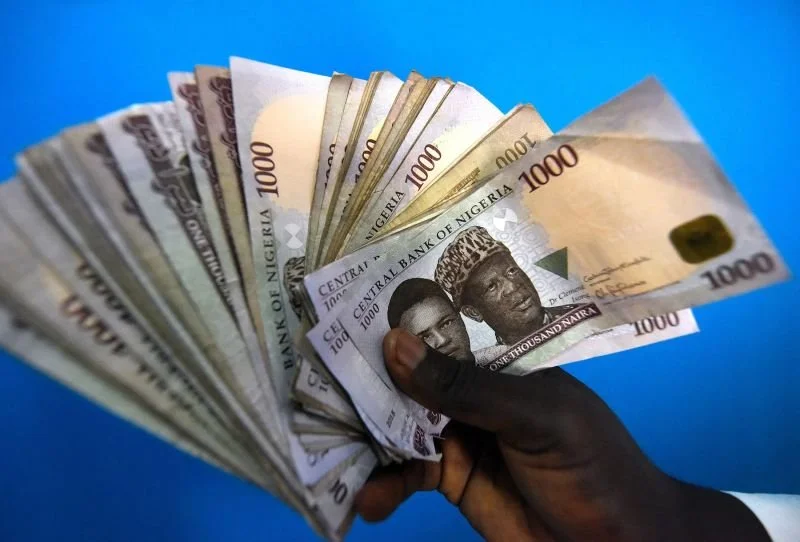
Cash held outside Nigeria’s banking system increased to ₦4.87 trillion in August 2026, reversing three consecutive months of decline, according to the latest Central Bank of Nigeria (CBN) monetary data.
Currency outside banks rose by ₦70.9 billion, representing a 1.48 per cent increase from ₦4.80 trillion in July. The August increase followed a sustained decline between May and July, when cash outside banks fell from ₦5.19 trillion to ₦4.92 trillion and then ₦4.80 trillion.
/ You Might Also Like /




Despite the monthly rebound, the August figure remained below the ₦5.25 trillion recorded in January 2026. However, on a year-on-year basis, cash outside banks was about ₦419 billion, or 9.4 per cent, higher than the ₦4.45 trillion recorded in August 2025.
Cash Outside Banks Reverses Three-Month Decline
The latest increase marks a reversal in the direction of currency held outside the banking system.
Cash outside banks stood at ₦5.19 trillion in May before falling to ₦4.92 trillion in June and ₦4.80 trillion in July. The decline over those three months amounted to approximately ₦391.8 billion.
The August recovery was therefore relatively modest compared with the amount of cash withdrawn from circulation outside banks during the preceding three months.
The movement also means that physical cash holdings remain below their level at the beginning of the year, despite the latest increase.
Digital Payments Push Continues
The development comes against the CBN's wider efforts to increase digital payment adoption and financial inclusion.
Under its Nigeria Payment System Vision 2028, the apex bank is seeking to build on the country's growth in electronic payments while increasing participation in formal financial services. The CBN has set a target of reducing cash outside the banking system to below 40 per cent of total currency in circulation by 2028, alongside a financial inclusion target covering 95 per cent of adults.
Nigeria's digital payment ecosystem has expanded significantly through instant payments, fintech platforms, mobile money and digital banking services. However, the latest cash figures show that physical currency continues to play a significant role in economic activity.
Informal Economy Remains Important to Cash Demand
Cash usage remains particularly relevant to Nigeria's large informal economy, where many transactions continue to take place outside formal banking channels.
Monthly movements in cash outside banks can also reflect changes in household withdrawals, business activity and seasonal demand. The August increase therefore does not, on its own, establish a reversal of Nigeria's longer-term shift towards electronic payments.
What it does show is that the transition away from physical cash remains uneven, with significant volumes of currency still circulating outside financial institutions.
Broad Money Supply Also Increased
The increase in physical cash came alongside wider growth in Nigeria's money supply.
Broad money supply, measured as M3, rose to ₦139.38 trillion in August 2026 from ₦138.78 trillion in July. The August figure represented a 16.4 per cent increase from ₦119.69 trillion recorded in August 2025.
Net domestic assets also increased to ₦101.99 trillion in August from ₦101.07 trillion in July, according to the latest monetary data.
The broader monetary expansion provides additional context for the movement in currency outside banks, although cash outside banks represents only one component of the overall money supply.
Implications for Housing and Property Transactions
The level of cash circulating outside banks also has relevance for the property market because residential and commercial real estate transactions depend heavily on access to formal financial channels.
Greater movement of funds through banks can strengthen financial intermediation and make it easier for lenders to assess income, structure credit and provide financing for mortgages and property development.
For the housing market, this is particularly relevant as Nigeria seeks to expand mortgage finance and move more property transactions into formal financial systems.
At the same time, the continued presence of large volumes of physical cash reflects the importance of cash-based economic activity, particularly among households and businesses operating outside the formal financial system.
Private-Sector Credit Records Further Growth
The August monetary data also showed continued growth in lending to the private sector.
Private-sector credit rose to ₦84.55 trillion in August, according to CBN data, marking a third consecutive monthly increase.
The increase is relevant to the wider economy because credit availability influences business investment, household financing and the ability of companies to fund productive activities.
For real estate, access to credit remains particularly important because developers and homebuyers generally require longer-term financing to acquire land, construct properties or purchase completed housing.
Outlook
The rise in cash outside banks to ₦4.87 trillion represents a reversal of the three-month decline recorded through July, but the figure remains below January's level.
Future CBN data will show whether the August increase represents a temporary rise in cash demand or the beginning of a sustained upward movement.
For Nigeria's financial system, the figures highlight the continuing balance between a large cash-based economy and the CBN's push towards digital payments and wider financial inclusion.
For the housing market, deeper formal financial intermediation could support the development of mortgage lending, property finance and more traceable real estate transactions as Nigeria's financial system continues to evolve.
READ MORE