Lagos Orders Residents in Flood Prone Areas to Relocate as NiHSA Alert Takes Effect
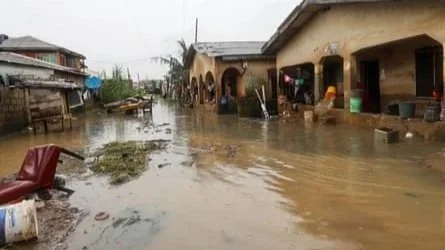
Lagos raises flood alert
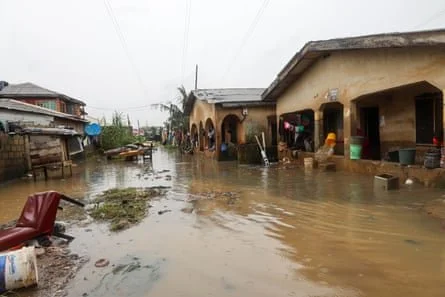
The Lagos State Government has directed residents living in low-lying and flood-prone communities to relocate temporarily to safer, higher ground following a fresh seven-day flood alert issued by the Nigerian Hydrological Services Agency (NiHSA).
The alert covers September 19 to 25, 2026, and places Lagos among 15 states facing heightened flood risks due to rising river levels and the potential for flooding in vulnerable communities.
/ You Might Also Like /




The state government has urged residents not to wait until floodwaters rise before taking precautionary action, while intensifying monitoring of rainfall patterns, river levels and other hydrological conditions across vulnerable locations.
Lagos Identifies Vulnerable Communities
Lagos Commissioner for the Environment and Water Resources, Tokunbo Wahab, identified several locations considered particularly vulnerable under the latest warning.
They include Eti-Osa, Lagos Island, Oke-Ira Nla in Ajah, Kirikiri, Ilaje Waterfront Jetty and Jetty Terminal B.
Other locations placed on heightened alert include Isheri North, Kara, Itowolo, Ajegunle, Majidun, Ogolonto and parts of Agboyi, as well as settlements downstream of Isheri Olofin. Communities along the Ogun River and other major waterways have also been advised to exercise particular caution.
The government said the combination of rainfall, rising water levels and tidal influences during the second phase of the rainy season could increase flooding risks in low-lying and riverine communities.
NiHSA Warns of Rising River Levels
NiHSA's latest alert warned that rising river levels could result in flooding across vulnerable communities and affect critical facilities.
Potentially affected facilities include schools, healthcare centres, markets, farms and places of worship.
The agency's warning covers Lagos and 14 other states, including Imo, Cross River, Ebonyi, Benue, Anambra, Akwa Ibom, Rivers, Edo, Kogi, Taraba, Delta, Bayelsa, Enugu and Abia.
For Lagos, the concern is particularly significant in communities connected to major waterways, where rainfall upstream can affect downstream water levels.
Government Intensifies Flood Monitoring
The Lagos State Government said it has increased monitoring across identified flood-prone locations and other riverine and low-lying communities.
The government has also directed affected local governments, emergency agencies and community leaders to activate early-warning and response mechanisms where necessary.
Residents have been advised to monitor official flood forecasts and move people, livestock and valuables to safer locations where flooding becomes imminent.
The state has also urged residents to avoid walking or driving through flooded roads, bridges and fast-moving water.
Drainage and Waste Management Remain Key Concerns
The latest warning has also renewed attention on the condition of drainage infrastructure across Lagos.
The state government said routine cleaning, maintenance and monitoring of drainage infrastructure would continue during the period of heightened flood risk.
It has also warned residents against dumping refuse into drains, canals and waterways, which can obstruct water flow and contribute to prolonged flooding.
However, flooding in Lagos extends beyond blocked drains. The state's coastal geography, rapid urbanisation, development around waterways and changes to natural drainage systems all influence flood exposure. Nairametrics, citing experts, has previously reported concerns over the loss of wetlands and mangroves, inadequate flood-control infrastructure and urban planning challenges.
Flood Risk Is Increasingly a Property Issue
For Lagos's housing and real estate market, the latest alert highlights the importance of flood risk in property development and investment decisions.
Flooding can damage buildings, roads, electrical systems and other infrastructure while disrupting access to residential and commercial properties.
Repeated exposure can also increase maintenance and insurance costs and affect the long-term attractiveness of properties in vulnerable locations.
The latest directive therefore goes beyond an immediate public safety issue. It also highlights the need for developers, investors and prospective homeowners to consider drainage, elevation, proximity to waterways and historical flood exposure when assessing property.
Vulnerability Could Influence Development Decisions
Lagos continues to experience strong demand for residential and commercial property, including in rapidly developing areas such as parts of the Lekki-Ajah corridor.
However, flood exposure can become an important consideration as development expands into low-lying and previously undeveloped areas.
Developers may need to place greater emphasis on site assessments, drainage capacity, flood mitigation and the preservation of natural water-retention areas when planning new projects.
For existing developments, effective drainage maintenance and emergency preparedness can reduce the impact of severe rainfall, although such measures cannot eliminate underlying location-specific flood risks.
Infrastructure Planning Becomes Increasingly Important
The recurring flood warnings also demonstrate the connection between housing development and wider urban infrastructure.
Residential developments require more than buildings. Roads, drainage systems, waterways, waste management infrastructure and stormwater management capacity all influence whether communities can withstand heavy rainfall.
Where urban expansion occurs faster than supporting infrastructure, the risk of flooding and infrastructure disruption can increase.
For Lagos, managing this challenge will require coordination between housing development, land-use planning, drainage infrastructure and environmental management.
Implications for Property Investors and Developers
The latest NiHSA alert provides another reminder for property stakeholders to treat flood exposure as part of the investment and development assessment process.
Investors considering Lagos property may need to examine the physical characteristics of a site, its elevation, drainage connections, proximity to rivers or lagoons and the history of flooding in the surrounding area.
Developers also face the challenge of ensuring that new projects do not worsen existing drainage problems or increase exposure for neighbouring communities.
For lenders and institutional investors, climate and flood risk could become increasingly relevant to the assessment of property backed investments as environmental risks have a greater influence on asset performance.
Outlook
Lagos's latest relocation directive underscores the continuing flood risks facing communities across the state's low-lying, coastal and riverine areas.
The September 19–25 NiHSA alert has prompted the state government to intensify monitoring and urge vulnerable residents to move to safer locations before conditions deteriorate.
For the housing and real estate sector, the immediate warning also highlights a longer-term issue: flood resilience is becoming increasingly important to property development and investment in Lagos.
Beyond emergency responses, sustained investment in drainage, stormwater management, urban planning and protection of natural flood-control systems will be important to reducing property exposure over time.
As Lagos continues to expand, the ability to integrate flood-risk management into land-use planning and housing development will increasingly shape the resilience and long-term value of properties across vulnerable parts of the state.
READ MORE