Power Outage Hits Lekki, Ajah, Ibeju-Lekki as 12 EKEDP Feeders Go Down
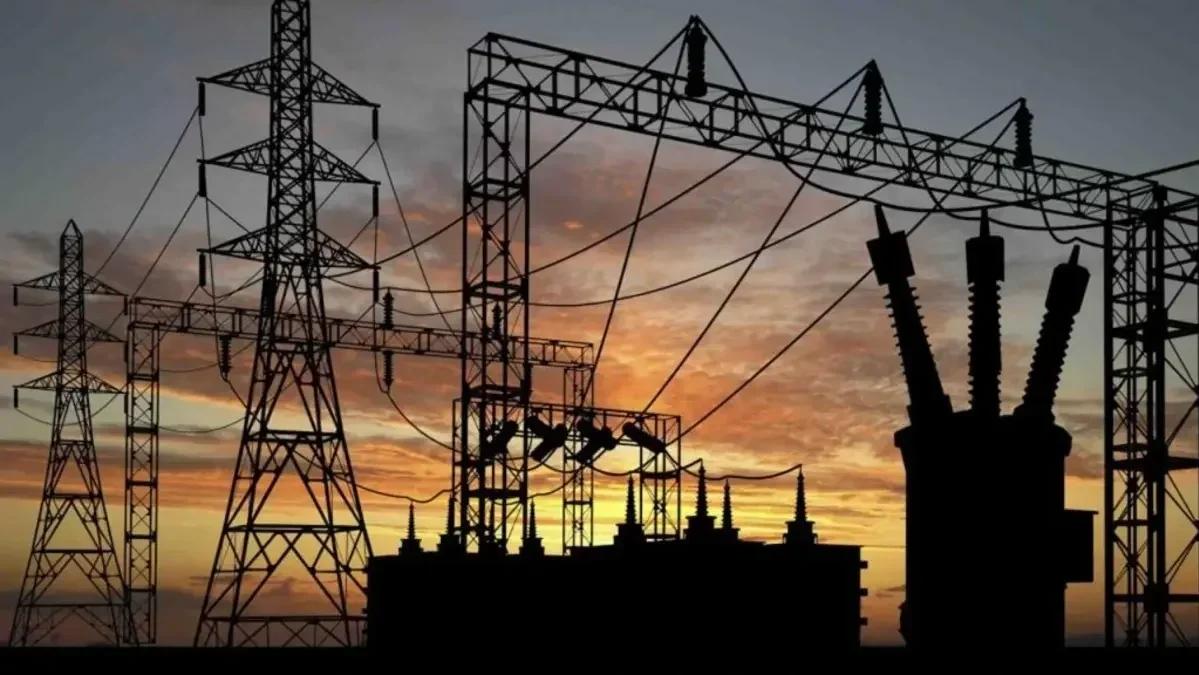
12 Feeders Down as Power Outage Disrupts Lekki, Ajah, Ibeju-Lekki
Eko Electricity Distribution Plc (EKEDP) has reported a power outage affecting parts of Lekki, Ajah and Ibeju-Lekki in Lagos State after a loss of supply took 12 feeders out of service.
The affected feeders cover several established and fast-growing residential and commercial areas, including Ibeju, Ajah Local 1, Medallion Data, Urban Prime, Main One, Maroko, Chevron, Oke-Ira, Ikate Express, Ilasan, NTDA 1 and Eleko. EKEDP said it is working with the Transmission Company of Nigeria (TCN) to restore the affected transformer and reconnect customers.
/ You Might Also Like /




12 Feeders Affected Across Major Lagos Communities
According to EKEDP, the disruption has affected electricity supply across a broad section of the Lekki-Ajah corridor.
The distributor identified 12 feeders currently out of supply: Ibeju, Ajah Local 1, Medallion Data, Urban Prime, Main One, Maroko, Chevron, Oke-Ira, Ikate Express, Ilasan, NTDA 1 and Eleko.
The VGC, Oke-Ira and Agungi injection substations have also been affected by the incident.
EKEDP attributed the disruption to a fault affecting electricity supply in the Lekki, Ajah and Ibeju-Lekki axis. The company said it is coordinating with TCN to restore the affected transformer and reconnect the feeders.
The company apologised to affected customers and said it would provide further updates as restoration efforts progress.
Power Reliability Remains Important to Lekki Housing Growth
The affected areas form part of one of Lagos State’s most significant residential expansion corridors.
Lekki, Ajah and Ibeju-Lekki have experienced substantial residential and commercial development as population growth, new infrastructure and expanding economic activity continue to push development eastwards along the Lekki-Epe corridor.
EKEDP’s network itself reflects the scale of this development. The company operates dedicated Lekki, Ajah and Ibeju districts within its franchise area, while its wider network covers southern Lagos and Agbara in Ogun State.
For developers, investors and residents, electricity reliability remains an important consideration when assessing the attractiveness and operational costs of properties in expanding urban areas.
A prolonged or recurring power disruption can increase dependence on alternative power sources for residential estates, businesses and construction sites. That can raise operating costs and affect the overall cost of occupying and managing property.
Disruptions Can Add Pressure to Property Operating Costs
Electricity supply represents an important component of the operating environment for residential developments, particularly larger estates and mixed-use projects.
When grid supply becomes unreliable, property owners and estate managers may have to rely more heavily on generators, inverters, batteries or other backup systems. These alternatives require capital expenditure, maintenance and ongoing fuel or energy costs.
For landlords and estate operators, higher infrastructure and operating expenses can ultimately influence service charges and the cost of maintaining properties.
For developers planning new projects, power availability can also influence decisions around infrastructure provision and project design.
This makes the reliability of the wider electricity network relevant not only to energy-sector stakeholders but also to Nigeria’s housing and property market.
EKEDP Has Faced Previous Supply Disruptions
The latest incident follows other electricity supply challenges affecting parts of the Lekki axis.
EKEDP previously attributed a disruption affecting areas including Ibeju-Lekki to a technical fault on key transmission lines outside its distribution network. The company said the fault reduced the amount of electricity available for distribution across its franchise area.
In June 2026, EKEDP also reported a loss of supply from the national grid that affected electricity availability across its network. The distributor described that incident as a transmission-level issue outside its direct control and said it was working with relevant authorities to establish the cause and manage the disruption.
These incidents demonstrate the interconnected nature of Nigeria’s electricity system. While distribution companies deliver electricity to end users, disruptions at the transmission level can significantly affect the amount of power available within distribution networks.
Transmission Infrastructure Remains Critical to Urban Development
The incident also highlights the relationship between electricity infrastructure and Lagos’ continued urban expansion.
EKEDP states that it receives bulk electricity through transmission sources including Akangba and Ajah and distributes power through its network of transmission and injection facilities. The company operates across 12 districts, including Lekki, Ibeju and Ajah.
As housing development expands further towards Ibeju-Lekki and other parts of the Lekki-Epe corridor, infrastructure capacity will remain an important factor in supporting sustainable urban growth.
Reliable electricity is particularly important for developments that combine residential, retail, office and hospitality uses. Such projects require dependable power for water systems, security infrastructure, elevators, lighting, cooling systems and other essential services.
Housing Market Implications
For the housing market, the immediate concern is the disruption faced by residents and businesses in the affected communities.
However, the wider issue is infrastructure reliability in rapidly urbanising parts of Lagos.
The Lekki-Ajah-Ibeju-Lekki corridor continues to attract residential development and investment. Sustaining that growth requires infrastructure networks to expand alongside population and property development.
Electricity reliability can influence residents' preferences, developers' infrastructure costs and investors' assessments of particular locations. Areas with stronger and more dependable infrastructure can become more attractive for both residential and commercial development, while recurring service disruptions can increase the cost of property occupation and management.
The issue is therefore broader than a temporary outage. For Lagos’ housing market, the capacity of infrastructure providers to keep pace with urban expansion remains central to the long-term performance of emerging residential corridors.
Restoration Efforts Underway
EKEDP said it is working with TCN to restore the affected transformer and reconnect the 12 feeders.
The distributor has not, in the update reported by Nairametrics, provided a specific restoration time for all affected areas. It said customers would receive further updates as restoration efforts progress.
The outcome of the restoration effort will determine how quickly electricity supply returns to the affected communities.
For property developers and investors operating along the Lekki-Ajah-Ibeju-Lekki corridor, the incident reinforces the need to consider the reliability and capacity of supporting infrastructure when planning and evaluating housing projects.
Conclusion
The power outage affecting Lekki, Ajah and Ibeju-Lekki has taken 12 EKEDP feeders out of supply and disrupted electricity across several major communities in Lagos. EKEDP is working with TCN to restore the affected transformer and reconnect customers.
Beyond the immediate disruption, the incident underscores the importance of reliable electricity infrastructure to Lagos’ expanding housing and property market. As development continues along the Lekki-Epe corridor, sustained investment in transmission and distribution infrastructure will be essential to support residential growth and keep infrastructure provision aligned with urban expansion.
READ MORE