Only 31% of Lagos Residents Own Homes as Rents Surge - Report
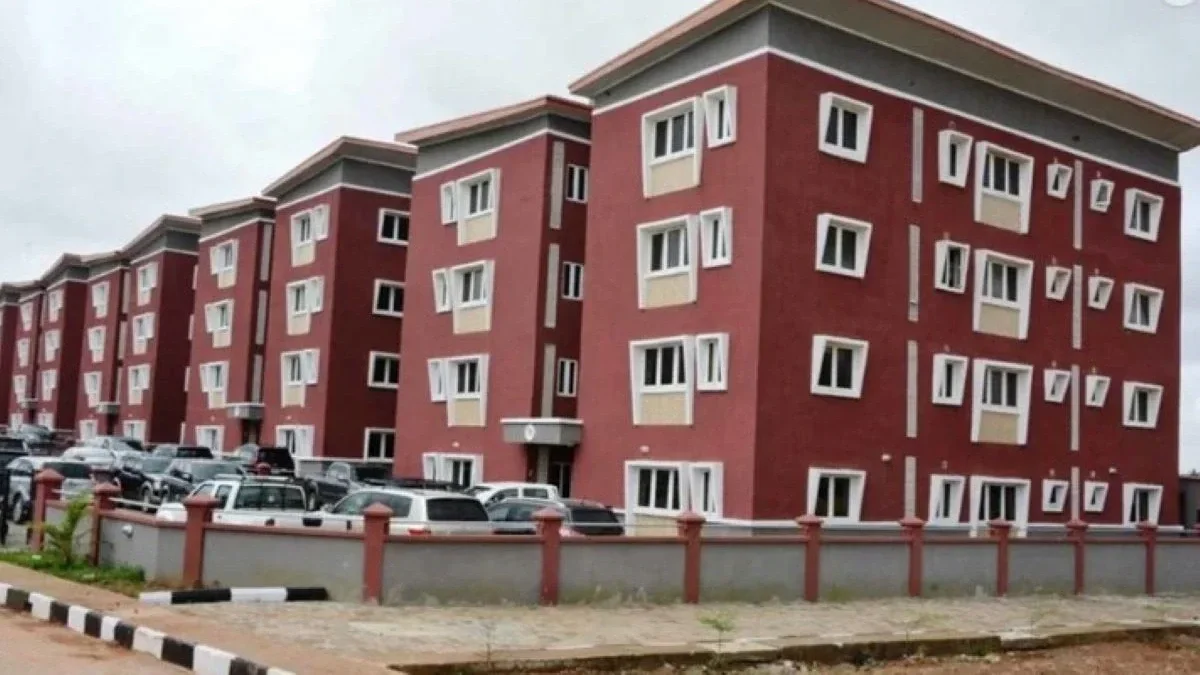
Lagos Housing Crisis Deepens as Only 31% Own Homes
Only 31% of Lagos residents own their homes, while 51% live in rented accommodation, according to a report by Fortren & Company, highlighting the city's heavy dependence on rental housing amid rising property and development costs.
The report, which examined housing and rental patterns across 10 major African cities, places Lagos among the markets where a relatively low level of homeownership coincides with substantial rental costs. Lagos also ranked fourth among the cities surveyed for high-end two-bedroom rental prices, with an average annual rent of $19,379 in 2026.
/ You Might Also Like /




Lagos Records Low Homeownership Rate
Fortren & Company's findings show a significant gap between homeownership and renting in Lagos.
The city's 31% homeownership rate means that fewer than one in three residents live in a home they personally own. Meanwhile, 51% live in rented accommodation, making rental housing the dominant tenure arrangement among the residents covered by the report.
The report clarifies that the 31% figure refers to people living in their "personal house", including homes that residents built, purchased, inherited or received as gifts. The figure therefore does not represent only households that obtained their homes through mortgage financing.
The comparison with other African cities shows how different housing tenure patterns are across major urban markets.
Nairobi recorded the highest homeownership rate among the cities assessed at 61%, while Abidjan recorded the lowest at 22%. Kampala recorded 29% homeownership and 71% rental occupancy, while Addis Ababa recorded 33% homeownership and 67% renting. Dakar recorded an even 50% split between homeowners and renters.
Rental Costs Remain High in Lagos
Lagos' rental market has come under increasing pressure as demand for housing continues to outpace the supply of homes that households can afford.
Fortren & Company put the average annual rent for a high-end two-bedroom apartment in Lagos at $19,379 in 2026, placing the city fourth among the 10 African markets examined.
The pressure is particularly visible in premium districts such as Ikoyi, Victoria Island and Banana Island, where rents for high-end properties are frequently denominated in US dollars.
Some ultra-luxury developments along the Bourdillon, Alexandra and Gerrard corridors in Ikoyi command annual rents of up to $130,000, according to the report.
However, rental affordability extends beyond the advertised annual rent.
Tenants in Lagos often face additional costs, including agency, legal and agreement fees, caution deposits, utility deposits, internet installation charges and service charges. The report notes that tenants can also be required to make annual or multiple-year rent payments in advance.
These upfront requirements increase the amount of capital households need before securing accommodation and can create a significant barrier for lower- and middle-income earners.
Rising Development Costs Put Further Pressure on Housing
The homeownership challenge is also linked to the rising cost of delivering new housing.
The report highlights increases in land prices and construction costs across Lagos, with developers facing higher expenses for building materials, labour and land.
Cement prices have risen to between N7,000 and N12,500 per bag, compared with about N5,000 to N6,000 at the end of 2023, while reinforcement steel now costs between N1 million and N1.5 million per tonne.
Construction materials and labour can account for approximately 50% to 65% of the budget for medium-sized residential developments, while land can represent around 20% of expected revenue on some projects.
Construction costs for building the structural carcass are estimated at approximately N350,000 to N400,000 per square metre, with some projects reaching N450,000 depending on specifications and site conditions, according to a quantity surveyor cited in the report.
For developers, these increases create pressure to either increase selling prices and rents or adjust the type and location of projects they deliver.
Developers Move Towards Smaller and Lower-Cost Projects
Higher development costs are already influencing how developers approach the Lagos market.
According to the report, some developers are responding by reducing unit sizes, moving into locations where land remains relatively cheaper, adopting alternative building materials and delivering projects in phases.
These strategies can help developers manage project costs, but they do not eliminate the underlying affordability challenge.
Where higher costs are transferred to buyers and tenants, households face higher purchase prices and rents. Where developers absorb the additional costs, project returns can come under pressure, potentially limiting the volume of new housing delivered.
This creates a difficult balance for the housing industry: developers need viable returns to continue investing, while households require housing at prices that remain compatible with their incomes.
Lagos Housing Deficit Adds to the Pressure
The homeownership figures come against the backdrop of a substantial housing shortage in Lagos.
The state's housing deficit stood at about 3.4 million units in 2025, while Lagos requires an estimated 227,576 new homes annually to keep pace with population growth and replace ageing housing stock.
Separate research presented at the GTI Investment Group housing and capital forum in August 2026 estimated that Lagos requires approximately N6 trillion annually to bridge its housing capital gap.
The scale of the funding requirement illustrates the challenge facing policymakers and housing-sector stakeholders. Increasing housing supply requires more than individual developments; it requires sustained access to long-term capital, infrastructure investment, land reform and mechanisms that can support affordable housing delivery at scale.
Rent Burden Is Becoming a Major Affordability Concern
The impact of the housing shortage is particularly significant for tenants.
Findings presented at the GTI Investment Group housing forum indicated that some Lagos residents spend between 60% and 70% of their income on rent.
Such a high housing cost burden reduces the amount of household income available for food, transport, education, healthcare, savings and other essential expenditure.
It also makes the transition from renting to homeownership more difficult. Households spending a large share of their income on rent have less capacity to accumulate the equity required for a property purchase or meet mortgage-related costs.
Limited Affordable Housing Remains a Key Challenge
The data highlights a structural gap between the types of housing being delivered and what many households can afford.
While Lagos continues to attract significant private-sector investment in residential property, much of the market activity remains concentrated in locations and property segments that serve higher-income households.
Prime land values further reinforce this challenge. Recent Estate Intel data reported by Nairametrics puts Lagos among Africa's most expensive markets for prime residential land, with $1 million buying approximately 507 square metres in the city.
High land costs make it more difficult for developers to deliver lower-priced housing in well-connected locations, particularly where infrastructure and development costs are also high.
Housing Finance Could Influence Homeownership
The report's homeownership figure also draws attention to the role of housing finance.
Homeownership does not depend solely on the availability of physical housing. Households also need access to financing that allows them to spread the cost of purchasing a home over a sufficiently long period.
High interest rates and limited access to affordable mortgage products can reduce the number of households that qualify for housing finance, particularly among middle- and lower-income earners.
This makes the development of deeper mortgage markets, longer-term financing and alternative housing finance models important components of any strategy aimed at increasing homeownership in Lagos.
Implications for Lagos' Property Market
For property investors, the 31% homeownership rate points to sustained demand for rental accommodation.
A large population of renters provides a significant market for professionally managed rental housing, particularly in locations with access to employment centres, transport infrastructure and essential services.
However, investors also face the challenge of ensuring that rental increases remain compatible with household incomes.
For developers, the data strengthens the case for housing products targeted at different income segments rather than concentrating exclusively on premium developments.
For policymakers, the figures highlight the need to address housing supply, land costs, infrastructure and housing finance together. Increasing the number of homes without addressing affordability would not fully resolve the city's housing challenge.
Conclusion
Lagos' 31% homeownership rate and 51% rental occupancy rate underline the scale of the city's housing affordability challenge. The situation is compounded by high rents, expensive land, rising construction costs and a housing deficit estimated at about 3.4 million units.
For the housing market, the priority extends beyond increasing the number of properties available. Lagos needs housing that households can afford to rent or purchase, supported by appropriate financing, accessible land and infrastructure capable of sustaining new development.
As rental costs continue to rise, expanding affordable housing supply and improving access to long-term housing finance will remain central to increasing homeownership and reducing the financial pressure on Lagos residents.
READ MORE