FESTAC Residents Protest Alleged Sale of Sewage Plants, Parks and Public Assets
Community Groups Challenge Alleged Disposal of Public Assets in FESTAC
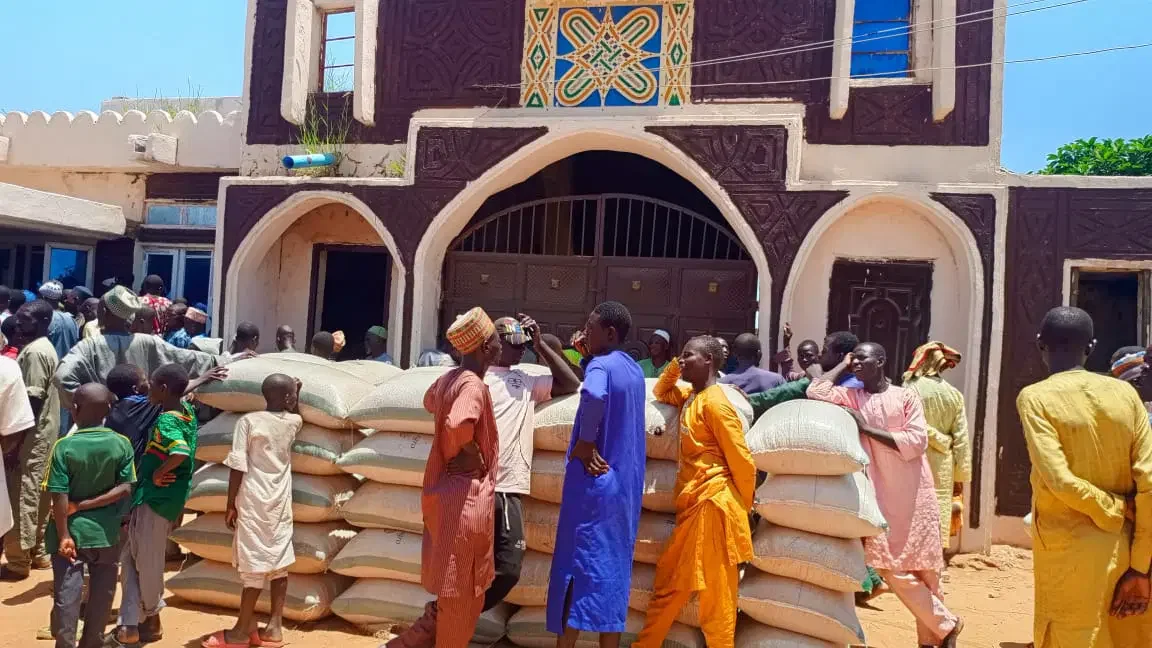
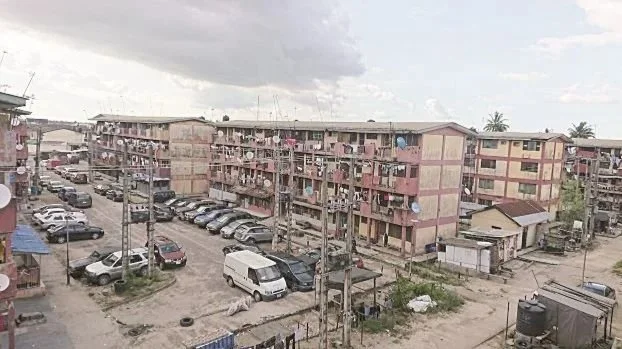
Residents of FESTAC Town in Lagos have protested the alleged sale of sewage treatment plants, parks and other public assets within the estate, raising concerns about the future of critical infrastructure and community facilities. The demonstrators called on government authorities to investigate the allegations and ensure that public assets meant for the benefit of residents are protected.
/ You Might Also Like /


The protest reflects growing concerns among residents over the management of public infrastructure in one of Nigeria’s largest residential estates. Community leaders argue that facilities originally designed to serve residents should remain available for public use and not be disposed of without proper consultation and transparency.
Residents Express Concerns Over Asset Disposal
During the protest, residents alleged that several public assets, including sewage treatment facilities, recreational parks and other community infrastructure, were being sold or transferred to private interests.
The protesters argued that such facilities play an essential role in maintaining environmental standards, public health and quality of life within the estate. They expressed concern that the loss of these assets could undermine the functionality of the community and place additional burdens on residents.
According to community representatives, public infrastructure developed as part of the original FESTAC master plan should remain protected and managed in the collective interest of residents.
Importance of Sewage Plants and Public Facilities
Stakeholders noted that sewage treatment plants are critical infrastructure that support sanitation and environmental management within large residential communities.
Experts warn that inadequate wastewater management can contribute to environmental degradation, public health challenges and increased infrastructure costs. Recreational parks and open spaces also play an important role in urban planning by providing areas for leisure, community interaction and environmental sustainability.
Residents maintain that preserving these facilities is essential for ensuring the long-term liveability of the estate.
Calls for Transparency and Accountability
The protesters called on relevant government agencies and regulatory authorities to provide clarity regarding the status of the assets in question.
They urged authorities to make available any documentation relating to ownership, management or proposed disposal of community infrastructure. Residents also requested broader stakeholder engagement before any decisions affecting public assets are taken.
Community leaders argued that transparency is necessary to build trust and ensure that actions relating to public infrastructure align with the interests of residents.
Broader Implications for Urban Development
The controversy highlights wider concerns about the management of public assets within large housing estates and urban communities across Nigeria.
Urban development experts have consistently emphasised the importance of protecting public infrastructure and community facilities as cities continue to expand. Proper management of public assets is often viewed as essential to maintaining property values, supporting environmental sustainability and improving residents’ quality of life.
Stakeholders note that effective governance structures and clear accountability mechanisms can help prevent disputes relating to community infrastructure.
Government Intervention Sought
Residents are calling for government intervention to ensure that all actions concerning public facilities comply with existing laws and planning regulations.
They also urged authorities to prioritise the preservation of infrastructure that serves the broader public interest. Community groups say they will continue to engage relevant agencies until concerns surrounding the alleged asset sales are addressed.
The outcome of the dispute could have significant implications for the future management of public facilities within FESTAC and other large residential estates across the country.
Outlook
As discussions continue, stakeholders are expected to seek greater clarity regarding ownership, management responsibilities and the future of the affected assets.
Urban planning professionals argue that maintaining critical infrastructure and community spaces remains essential for sustainable development and the long-term viability of residential estates.
The situation is likely to draw attention from policymakers, housing experts and community organisations concerned about the preservation of public infrastructure in urban centres.
Conclusion
The protest by FESTAC residents underscores growing concerns over the alleged sale of sewage plants, parks and other public assets within the estate. Residents are demanding transparency, accountability and government intervention to safeguard infrastructure that supports environmental management, public health and community wellbeing. The dispute highlights the broader importance of protecting public assets as Nigeria’s urban communities continue to expand.
READ MORE