Petrol Price Surge Hits Oil Marketers as Demand Declines
High Fuel Prices Reduce Demand, Pressure Nigeria’s Downstream Sector
Oil marketers in Nigeria have raised concerns over declining business activity as petrol prices surge above ₦1,200 per litre, significantly reducing consumer demand. Industry operators warn that rising costs, driven by global crude oil price increases, are eroding margins and straining the downstream petroleum sector.
Rising Prices Squeeze Demand
Petrol prices have risen sharply in recent weeks, increasing from an average of ₦839 per litre to over ₦1,230 per litre. This surge has forced consumers and businesses to cut back on fuel consumption, directly impacting sales volumes for marketers.
According to industry stakeholders, bulk buyers who previously purchased between 10,000 and 20,000 litres are now buying as little as 1,000 to 2,000 litres, reflecting a significant contraction in demand.
The price increase aligns with global oil market trends, where crude prices have exceeded $104 per barrel amid geopolitical tensions, particularly involving the United States, Iran, and Israel.
Cost Pressures and Financing Challenges
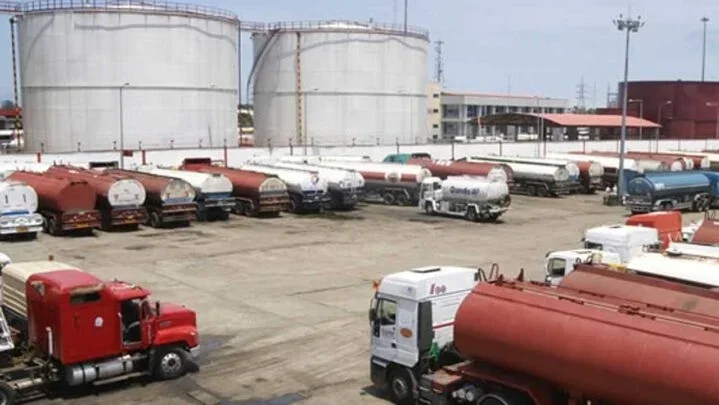
Oil marketers report a sharp rise in the cost of procuring fuel. The financial requirement to purchase a single truck of petrol has increased from approximately ₦50m to between ₦60m and ₦70m.
This escalation has intensified reliance on bank financing, with high interest rates further compressing already thin margins. Industry operators note that while turnover values have increased due to higher prices, profitability has declined significantly.
Marketers also emphasise the concept of “replacement cost,” where current pricing must reflect the anticipated cost of replenishing supply. Selling below replacement cost risks capital erosion and potential supply disruptions.
Operational Risks in the Supply Chain
Beyond pricing pressures, logistical challenges continue to affect the downstream sector. Fuel transporters face delays of three to five days on highways due to poor road conditions, increasing operational risks.
These delays expose marketers to significant financial risk, with individual fuel trucks carrying products valued at over ₦65m. Prolonged transit times heighten security concerns and increase the cost of distribution.
/ You Might Also Like /



Broader Economic Impact
Rising petrol prices are also affecting the wider economy. Increased transportation costs are feeding into higher food prices and general inflation, placing additional pressure on households and businesses.
The Nigeria Labour Congress has warned that the surge in fuel prices is worsening economic hardship for workers, while the Centre for the Promotion of Private Enterprise cautions that small and medium-sized enterprises face heightened survival risks under current conditions.
Stakeholders, including the Petroleum Products Retail Outlets Owners Association of Nigeria, have called for government intervention to cushion the impact through targeted palliatives, particularly in transportation.
Market Dynamics and Structural Pressures
The current situation reflects a combination of domestic and global factors. While Nigeria is increasing local refining capacity, global crude price volatility continues to influence pump prices due to the deregulated market structure.
Recent data also indicates a decline in fuel consumption levels, reinforcing the demand-side impact of higher prices. At the same time, policy shifts aimed at prioritising local supply are reshaping the downstream market landscape.
Outlook
Industry analysts expect continued volatility in petrol pricing, driven by global oil market developments and exchange rate dynamics. While high prices may support revenue generation in the upstream sector, they pose significant challenges for downstream operators and consumers.
The surge in petrol prices has created a paradox for Nigeria’s oil marketers: higher prices have increased transaction values but reduced demand and profitability.
Sustaining the downstream sector will require a balance between market-driven pricing and targeted policy support to mitigate the economic impact on businesses and consumers.
READ MORE