Nigeria’s Debt Service Surge Raises Fiscal Sustainability Concerns
Debt Servicing Costs Climb to ₦16.26 Trillion Amid Borrowing Expansion
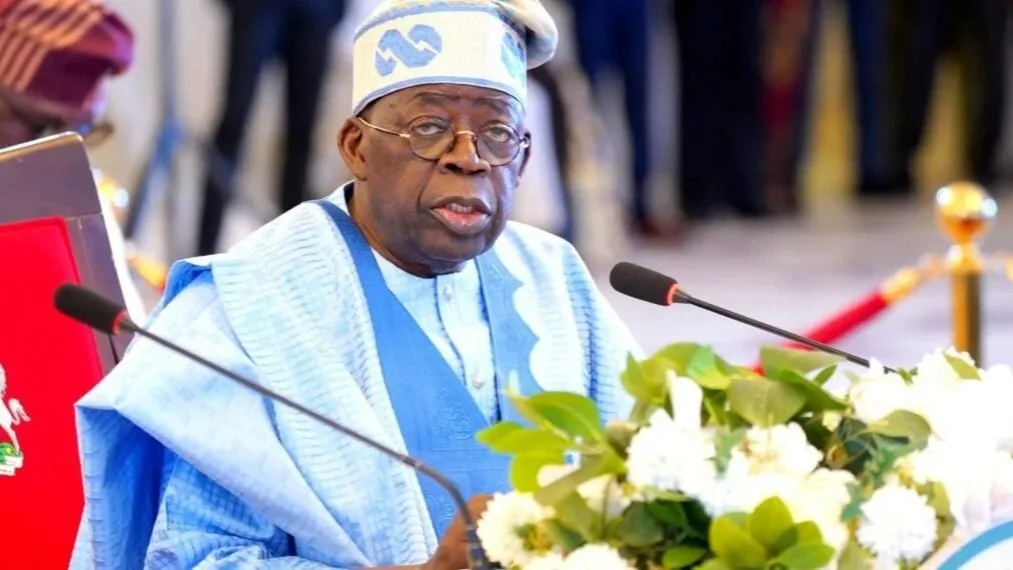
Nigeria’s debt servicing obligation has risen to ₦16.26 trillion under the administration of President Bola Tinubu, reflecting a sharp increase in the cost of managing the country’s growing debt profile. The development underscores mounting fiscal pressures as borrowing continues to expand amid revenue constraints.
/ You Might Also Like /



Rising Cost of Servicing Debt
The increase in debt servicing reflects both higher domestic interest payments and sustained external obligations. Data from the Debt Management Office (DMO), as reported by Nairametrics, indicates that servicing costs have surged significantly in recent years, driven largely by the rising cost of domestic borrowing.
In 2025 alone, Nigeria’s total debt service approached ₦16 trillion, with domestic debt accounting for the largest share of the burden. Interest payments constituted a substantial portion of these obligations, highlighting the compounding effect of accumulated debt.
Debt Growth and Fiscal Expansion
Nigeria’s total public debt has continued to rise, reaching approximately ₦159.28 trillion as of December 2025, according to the DMO. This expansion has been driven by persistent fiscal deficits, infrastructure financing needs, and limited revenue generation capacity.
Under the current administration, borrowing has accelerated to support budgetary spending and economic reforms. Analysts estimate that Nigeria’s debt stock has increased significantly within a short period, raising concerns about the pace and sustainability of new borrowings.
Pressure on Government Finances
The surge in debt servicing is placing considerable strain on Nigeria’s fiscal position. A large share of government revenue is now allocated to servicing debt, leaving limited resources for capital expenditure and social investments.
Previous reports indicate that debt servicing consumed a substantial proportion of federal revenue, highlighting structural weaknesses in revenue mobilisation and fiscal management.
In the 2026 budget, debt servicing remains one of the largest expenditure components, with allocations estimated at over ₦15 trillion, reinforcing concerns about the crowding-out effect on development spending.
Balancing Borrowing and Growth
The Federal Government has defended its borrowing strategy, maintaining that loans are necessary to finance infrastructure and stimulate economic growth. Authorities argue that investments in transport, energy, and public services will yield long-term economic benefits.
However, the rapid increase in debt servicing costs has intensified scrutiny from economists and policy analysts. Critics argue that without stronger revenue growth and improved efficiency in public spending, rising debt obligations could limit Nigeria’s fiscal flexibility and economic resilience.
Outlook for Debt Sustainability
Nigeria’s debt servicing trajectory highlights the urgent need for fiscal reforms. Strengthening revenue generation, improving expenditure efficiency, and ensuring that borrowed funds are channelled into high-impact projects will be critical to maintaining sustainability.
As debt service obligations continue to rise, policymakers face increasing pressure to balance borrowing with measurable economic outcomes. The ability to translate debt into growth will remain central to Nigeria’s fiscal and economic outlook in the coming years.
READ MORE