
Tinubu Vows Crackdown, Orders Security Chiefs to Relocate to Borno
After Maiduguri Bombings, Tinubu Moves Security Leadership to Frontlines
Bola Ahmed Tinubu has directed Nigeria’s security chiefs to relocate to Maiduguri following deadly bomb attacks that killed at least 23 people and injured over 100. The directive aims to ensure immediate operational control and intensify counterterrorism efforts in the country’s northeast.
Presidential Directive and Immediate Response
The President ordered the relocation of top military and security officials to Maiduguri to coordinate on-ground operations and stabilise the situation. He described the attacks as attempts by terrorist groups to instil fear but insisted they would be decisively countered.
Tinubu emphasised that security agencies would “locate, confront, and completely defeat” those responsible, reaffirming the government’s commitment to eliminating insurgent threats across the country.
The directive also includes enhanced deployment of resources, with additional equipment and operational support approved to strengthen ongoing military efforts.
Context: Coordinated Bomb Attacks
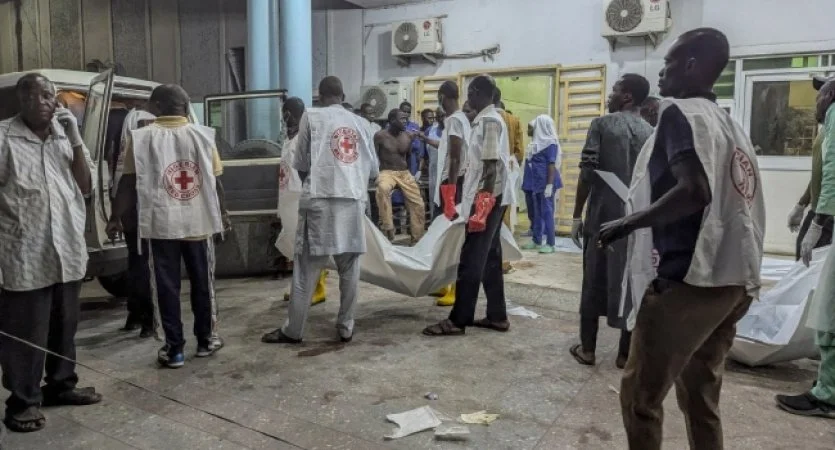
The decision follows coordinated explosions on March 16, 2026, targeting crowded civilian locations in Maiduguri, including markets, a post office, and a hospital facility. The attacks resulted in significant casualties and widespread panic.
Security agencies suspect the involvement of extremist groups such as Boko Haram or its affiliates, although no group has officially claimed responsibility.
The incident marks one of the deadliest attacks in the city in recent years and disrupts a period of relative calm in the region.
Government Position on Insurgency
Tinubu characterised the attacks as “desperate” acts by insurgents under sustained military pressure. He commended Nigerian troops for repelling related assaults on military formations in Borno State, signalling continued operational resilience.
The President reiterated that no part of Nigeria would serve as a safe haven for terrorists, highlighting a broader strategy focused on intensified military operations and intelligence coordination.
Humanitarian and Security Implications
The bombings underscore ongoing security challenges in northeastern Nigeria, where insurgent groups continue to target civilian and strategic locations. The region has experienced over a decade of conflict, resulting in mass displacement and economic disruption.
The latest attacks highlight:
Persistent vulnerabilities in urban security frameworks
The evolving tactics of insurgent groups targeting soft civilian locations
The need for rapid-response coordination among security agencies
For policymakers, the directive to relocate security chiefs reflects a shift toward centralised, real-time command in high-risk zones.
Strategic Outlook
Relocating security leadership to Maiduguri signals an escalation in Nigeria’s counterterrorism posture. Direct oversight is expected to improve coordination between military units, intelligence agencies, and local security structures.
However, sustained stability will depend on:
Intelligence-led operations to prevent future attacks
Community engagement to improve early warning systems
Continued investment in security infrastructure and personnel
President Tinubu’s order for security chiefs to relocate to Maiduguri represents a decisive response to one of the deadliest recent attacks in northeastern Nigeria.
As operations intensify, the effectiveness of this approach will be measured by the ability of security forces to restore stability, prevent further attacks, and address the underlying drivers of insurgency in the region.
