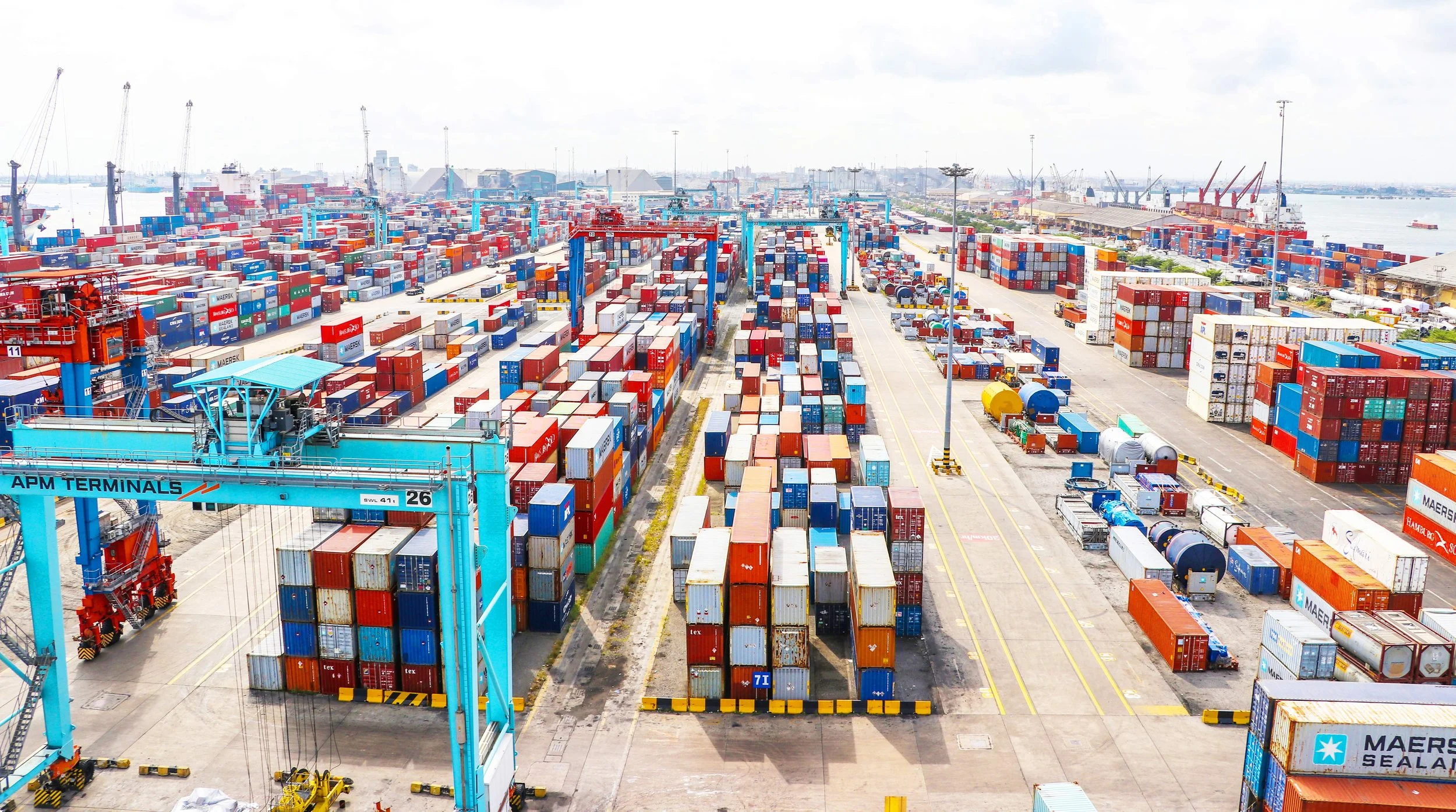
Housing Gap Persists at 14.9 Million Units Despite Government Interventions
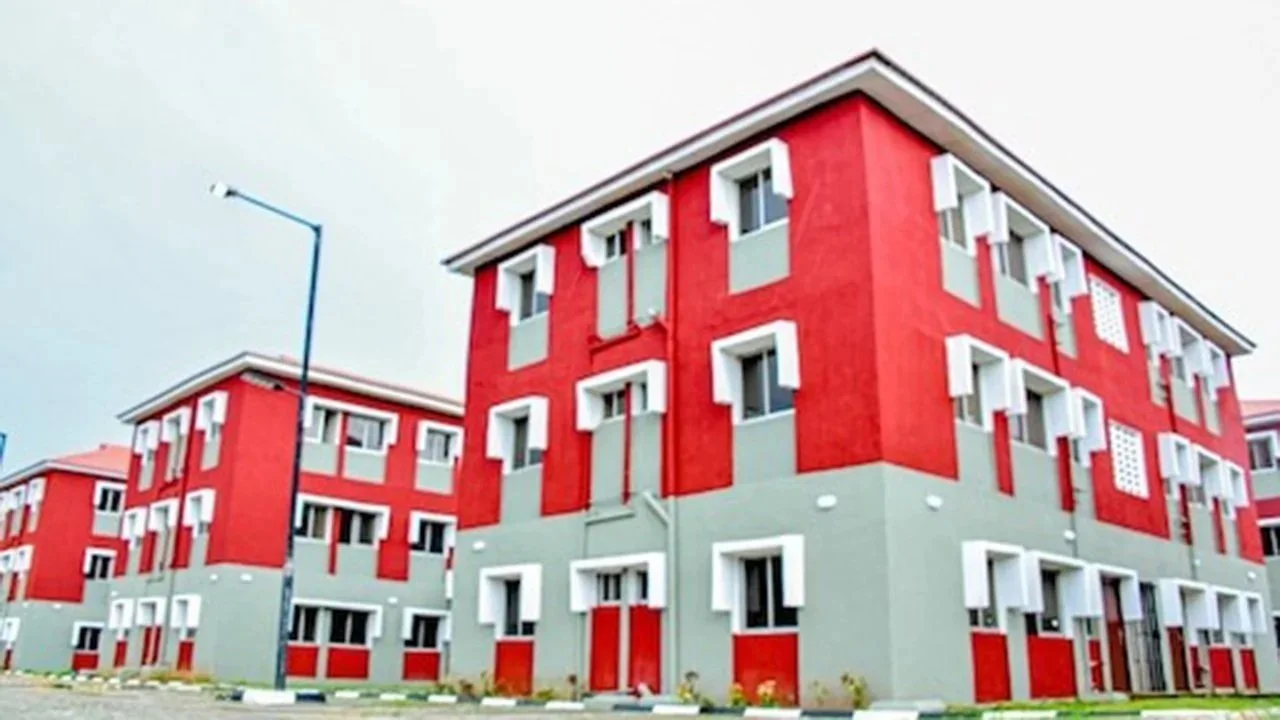
14.9 Million Housing Shortfall Highlights Structural Gaps in Nigeria’s Property Market
Nigeria’s housing deficit has reached approximately 14.9 million units, underscoring persistent structural challenges in the country’s housing sector despite ongoing government reforms. The figure, based on newly validated national housing data, highlights the scale of unmet demand and the urgency of coordinated policy action to expand affordable housing supply.
Updated Data Reshapes Housing Debate
The revised deficit figure of 14.925 million units represents one of the most data-driven assessments of Nigeria’s housing gap to date. The estimate was developed using national surveys, census data, and housing adequacy metrics aligned with international standards.
This updated data replaces earlier widely cited estimates of 17 million units, which policymakers had previously questioned due to methodological inconsistencies. The new figure provides a more reliable baseline for planning, investment, and policy design.
Structural Drivers of the Housing Gap
Despite reform efforts, several structural constraints continue to limit housing supply:
High construction costs: Rising prices of building materials, particularly cement and steel, have significantly increased development costs.
Land access challenges: Inefficient land administration systems and titling processes delay project execution.
Limited housing finance: Mortgage penetration remains low, restricting access to homeownership for most Nigerians.
Urbanisation pressures: Rapid population growth continues to outpace housing delivery.
These factors collectively constrain both public and private sector capacity to deliver housing at scale.
/ You Might Also Like /


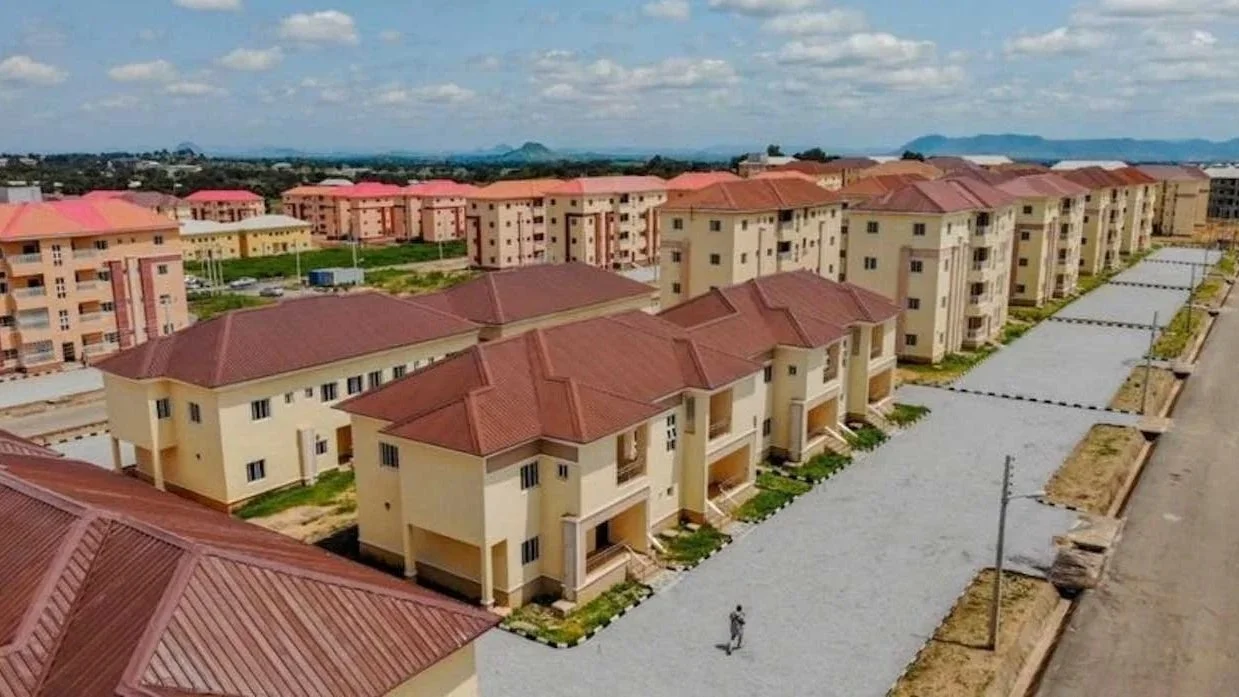

Government Reforms and Policy Initiatives
The Federal Government has introduced a series of reforms aimed at addressing the housing deficit. Key initiatives include:
Establishment of a National Housing Data framework to improve planning accuracy
Promotion of public-private partnerships (PPPs) to attract private capital
Expansion of affordable housing schemes targeting low- and middle-income households
Efforts to strengthen mortgage financing through institutional reforms
These measures reflect a shift toward data-driven policymaking and market-oriented solutions. However, implementation gaps remain a critical challenge.
Financing Gap and Investment Needs
Addressing Nigeria’s housing deficit requires significant capital mobilisation. Estimates suggest that trillions of naira will be needed to close the gap, with long-term financing essential for sustainable delivery.
The housing sector also presents a substantial opportunity for institutional investors, including pension funds, which have increasingly been identified as potential sources of long-term capital for real estate development.
For investors, the scale of unmet demand positions housing as a high-impact sector with strong growth potential provided regulatory and financing bottlenecks are addressed.
Economic and Social Implications
The housing deficit has far-reaching implications for Nigeria’s economy and social stability:
Urban overcrowding: Limited housing supply contributes to the expansion of informal settlements
Rising rental costs: Demand-supply imbalance drives up housing costs, affecting affordability
Labour productivity: Poor housing conditions can reduce workforce efficiency
Economic growth: Housing construction has strong multiplier effects across industries
Closing the housing gap is therefore not only a social priority but also an economic imperative.
Outlook
While government reforms mark progress, the persistence of a 14.9 million-unit deficit highlights the need for accelerated execution, deeper private sector participation, and innovative financing models.
Scaling up housing delivery will require coordinated action across federal, state, and private sector stakeholders, alongside regulatory reforms that reduce barriers to development.
Nigeria’s housing deficit remains a defining structural challenge, even as reforms begin to improve data accuracy and policy direction.
Bridging the 14.9 million-unit gap will depend on translating policy frameworks into large-scale, affordable housing delivery. Without sustained investment and execution, the deficit will continue to widen, reinforcing affordability pressures and limiting inclusive economic growth.
READ MORE