FEC Approves $2.99 Billion for Lagos Green Line, Kano-Kaduna Rail Projects
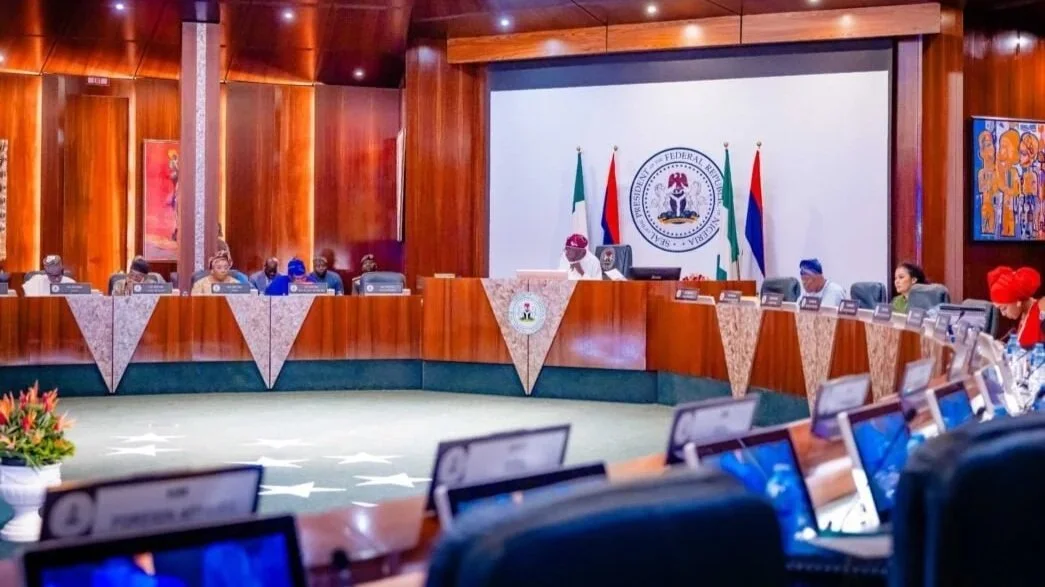
FEC Meeting
Nigeria’s Federal Executive Council (FEC) has approved $2.99 billion for the development of key rail infrastructure projects, including the Lagos Green Line and the Kano-Kaduna railway. The decision, announced on May 1, 2026, underscores the government’s continued focus on expanding transport networks to support economic growth and urban mobility.
/ You Might Also Like /

Strategic Investment in Rail Infrastructure
The approved funding covers the construction and development of the Lagos Green Line rail project, alongside the Kano-Kaduna standard gauge railway. These projects form part of a broader national strategy to modernise Nigeria’s rail system and reduce dependence on road transport.
The Lagos Green Line is expected to enhance intra-city connectivity within Nigeria’s commercial hub, easing congestion and improving commuting efficiency. Meanwhile, the Kano-Kaduna rail line aims to strengthen intercity transportation, facilitating the movement of goods and passengers across northern Nigeria.
Lagos Green Line: Urban Mobility Focus
The Lagos Green Line project represents a critical component of urban transport planning in Lagos State. Designed to connect key districts, the rail line is expected to reduce travel time, lower transportation costs, and improve productivity within the city.
Urban rail systems have increasingly become essential in addressing congestion challenges in rapidly growing cities. With Lagos facing significant population pressure, the project is positioned to play a vital role in supporting sustainable urban development.
Kano-Kaduna Rail: Enhancing Regional Connectivity
The Kano-Kaduna railway project is expected to boost regional economic integration by linking major commercial centres in northern Nigeria. Improved rail connectivity could enhance trade flows, reduce logistics costs, and support industrial activity in the region.
Rail transport offers a cost-effective alternative for bulk cargo movement, particularly in a country where road infrastructure faces capacity constraints. The project aligns with efforts to diversify transport options and improve supply chain efficiency.
Financing and Economic Implications
The $2.99 billion approval reflects continued reliance on large-scale capital investment to address infrastructure deficits. While such projects are essential for long-term growth, they also raise questions about financing structure, debt sustainability, and project execution efficiency.
Nigeria’s infrastructure gap remains significant, with estimates from the African Development Bank suggesting that substantial annual investment is required to meet demand. As a result, government-led financing continues to play a central role in bridging this gap.
Balancing Investment and Fiscal Pressure
The approval comes amid rising scrutiny of Nigeria’s fiscal position, particularly in light of increasing debt servicing obligations. Policymakers face the challenge of balancing infrastructure investment with fiscal sustainability, ensuring that projects deliver measurable economic returns.
Effective project management, transparency, and timely execution will be critical to maximising the benefits of these investments. Delays or cost overruns could undermine the economic case for such large-scale spending.
Outlook
The FEC’s approval of $2.99 billion for rail development signals a renewed commitment to strengthening Nigeria’s transport infrastructure. If executed efficiently, the Lagos Green Line and Kano-Kaduna rail projects could significantly improve mobility, reduce logistics costs, and support economic expansion.
However, the long-term impact will depend on the government’s ability to align infrastructure spending with broader fiscal and economic objectives, ensuring that investments translate into tangible productivity gains.
READ MORE